
Real-time Inventory Management
Ensure inventories are accurately tracked across warehouses so stock levels stay optimal — not overstocked or understocked. Get real-time visibility of on-hand quantities and locations.
Table of Content:
The Export Promotion Capital Goods (EPCG) Scheme is a flagship export incentive programme of the Government of India designed to promote exports and technology upgradation by reducing the cost of acquiring modern machinery and capital equipment. It is administered under the Foreign Trade Policy (FTP) by the Directorate General of Foreign Trade (DGFT) and coordinated with customs authorities.
At its core, the EPCG Scheme allows eligible Indian exporters to import capital goods which include machinery, equipment, tools, fixtures, and software either duty-free or at concessional customs duty, provided the exporter fulfills a stipulated export obligation over a specified period.
The primary objective is two-fold:
Under the Export Promotion Capital Goods (EPCG) Scheme, capital goods refer to assets that are essential for producing goods or services meant for export. The scheme allows eligible exporters to import these capital goods at zero or concessional customs duty, provided they meet prescribed export obligations.
Capital goods under EPCG are broadly defined to cover the entire value chain of manufacturing and service delivery from preparation to final output ensuring exporters can upgrade technology and improve competitiveness in global markets.
1. Machinery and Equipment
This includes all machinery and equipment required at pre-production, production, and post-production stages.
These assets help enhance efficiency, quality, and scale of export-oriented operations.
2. Computer Systems and Software
Computer systems and software are treated as capital goods when they are integral to the functioning of imported machinery or production processes.
This includes:
Such inclusions recognize the growing role of digitalization and automation in modern manufacturing and services.
3. Spares, Dies, Moulds, Jigs, Fixtures, and Tools
To ensure uninterrupted production, the EPCG Scheme also covers:
These items are critical for maintaining quality standards and minimizing downtime in export-focused units.
4. Catalysts
Catalysts used in manufacturing processes are eligible as capital goods under EPCG for:
This is particularly relevant for chemical, pharmaceutical, and process industries where catalysts play a vital role in production efficiency and output quality.
5. Capital Goods for Approved Project Imports
Capital goods imported under approved project imports are also covered. These typically relate to large-scale or specialized projects sanctioned by the appropriate authorities, ensuring that exporters executing such projects can benefit from EPCG concessions.
The Export Promotion Capital Goods (EPCG) Scheme is a flagship initiative of the Government of India under the Foreign Trade Policy (FTP). The scheme is designed to support exporters by allowing them to import capital goods at zero or concessional customs duty, provided they fulfill specific export obligations. By reducing the cost of capital investment, the EPCG Scheme aims to enhance India’s export competitiveness and promote technological upgradation across industries.
One of the most significant features of the EPCG Scheme is the exemption from basic customs duty on the import of capital goods. In some cases, imports may also be permitted at a reduced duty rate. This benefit helps exporters lower their initial investment costs when setting up or expanding production facilities.
The scheme covers a broad range of capital goods, including:
Importers availing EPCG benefits must fulfill an export obligation, which is typically six times the duty saved on the imported capital goods. This export obligation must be completed within a specified time frame, usually six years, ensuring that the scheme directly contributes to increased exports.
The EPCG Scheme is sector-neutral, making it accessible to exporters from various industries such as:
Both merchant exporters and manufacturer exporters are eligible under the scheme.
In addition to imports, the EPCG Scheme also supports procurement of capital goods from domestic manufacturers, encouraging local production while still offering similar duty-saving benefits.
By enabling access to advanced machinery and technology at reduced cost, the EPCG Scheme promotes:
The scheme allows flexibility in fulfilling export obligations through:
This flexibility helps businesses align export commitments with market demand.
In certain cases, EPCG authorizations may allow transfer of capital goods after completion of export obligations. Additionally, provisions exist for extension of EO periods and relief in genuine hardship cases, subject to approval by authorities.
The EPCG (Export Promotion Capital Goods) Scheme is designed to support Indian exporters by allowing the import of capital goods at concessional or zero customs duty, subject to export obligations. The eligibility criteria are broad, enabling participation across multiple sectors involved in export-led growth.
Businesses that manufacture goods in India and export them directly to international markets.
Exporters who do not manufacture themselves but source goods from supporting manufacturers.
Entities in notified service sectors such as logistics, hospitality, healthcare, IT-enabled services, and other foreign exchange earning services.
Manufacturers supplying goods to merchant exporters under the EPCG framework.
Units providing shared facilities or services to multiple exporters.
The Export Promotion Capital Goods (EPCG) Scheme is a key initiative of the Government of India under the Foreign Trade Policy (FTP), designed to support and promote exports by reducing the capital investment burden on exporters. The scheme allows eligible businesses to import capital goods at zero or concessional customs duty, provided they commit to fulfilling a specified export obligation.
The primary objective of the EPCG Scheme is to enhance India’s manufacturing competitiveness, improve product quality, and encourage the adoption of advanced technology for export-oriented production.
Zero or Reduced Customs Duty
Importers can bring in capital goods at 0% customs duty, resulting in significant cost savings. This makes it easier for exporters to invest in modern machinery and equipment.
Improved Cash Flow and Lower Capital Costs
By reducing upfront duty payments, businesses can allocate funds toward operations, expansion, and working capital rather than heavy capital expenditure.
Access to Advanced Technology
The scheme enables exporters to import state-of-the-art machinery, improving production efficiency, consistency, and product quality to meet global standards.
Boost to Export Competitiveness
Lower production costs and better technology allow Indian exporters to offer competitive pricing in international markets, strengthening their global presence.
Wide Coverage of Capital Goods
EPCG covers a broad range of capital goods, including:
Support for Multiple Sectors
The scheme benefits various industries such as manufacturing, engineering, textiles, pharmaceuticals, food processing, logistics, and service exports, making it inclusive across sectors.
Long Export Obligation Period
Export obligations are generally spread over 6 years, allowing businesses sufficient time to plan, scale operations, and meet export targets without excessive pressure.
Encourages Capacity Expansion
With lower import costs, companies can expand production capacity, modernize facilities, and increase overall export volumes.
Typical documents for EPCG application include:
One effective policy tool that helps Indian exporters lower capital investment costs, modernize operations, and compete internationally is the Export Promotion Capital Goods (EPCG) Scheme. EPCG promotes technology adoption, industrial growth, and export expansion by permitting duty-free or concessional imports of capital goods in exchange for meeting export obligations. While it demands diligent planning and compliance, its benefits from lowered costs to enhanced competitiveness make it highly relevant for manufacturers, merchant exporters and service providers aiming for global markets.
1. What is the EPCG Scheme in India?
The Export Promotion Capital Goods (EPCG) Scheme is an export incentive program under India’s Foreign Trade Policy that allows exporters to import capital goods at zero or concessional customs duty, subject to fulfilling a specified export obligation within a fixed time period.
2. Who is eligible for the EPCG Scheme?
The EPCG Scheme is available to:
Applicants must have a valid Importer Exporter Code (IEC) and comply with DGFT regulations.
3. What types of capital goods can be imported under EPCG?
Under the EPCG Scheme, exporters can import:
4. What is export obligation under the EPCG Scheme?
Export obligation refers to the commitment made by the exporter to export goods or services worth six times the duty saved on imported capital goods. This obligation must generally be fulfilled within six years from the date of EPCG authorization.
5. Is the EPCG Scheme available at zero duty?
Yes, the EPCG Scheme allows import of capital goods at zero customs duty. In some cases, concessional duty (such as 3%) may apply depending on the Foreign Trade Policy provisions and type of authorization.
6. What is marginal productivity theory of distribution?
Marginal Productivity Theory of Distribution explains how income is shared among different factors of production like land, labour, capital, and entrepreneurship.
In simple words, each factor is paid according to the extra output (additional value) it adds to production.
For example:
A machine earns interest based on how much it increases production.
A worker is paid wages based on how much extra goods or services their work produces.
Table of Content:
In economics, knowing how much output comes from inputs is essential for looking at how well things are produced, controlling costs, and making choices. Marginal Product (MP) is a key idea for measuring this connection. It helps economists, business owners, and managers see how changing the amount of inputs affects the total amount produced. MP is very important in theories about production, studies of labor, and planning operations.
This paper will fully examine marginal product, covering what it is, how to calculate it, its underlying conditions, different phases, examples from the real world, how it connects to other production ideas, and its significance in business and economics.
Marginal Product (MP) is the extra amount created when you add just one more unit of an input, while holding all other inputs steady. Typically, when people talk about marginal product in economics, they're referring to the Marginal Product of Labor (MPL), which is about adding more workers. But this idea also applies to other production factors like money, property, and basic supplies.
In simple terms, marginal product answers the question:
How much extra output do we get by adding one more unit of input?
-->For example, if hiring one additional worker increases total production from 100 units to 110 units, the marginal product of labor is 10 units.
The general formula for Marginal Product (MP) measures the additional output produced by a change in the quantity of input used.
Marginal Product (MP) =
ΔTP ÷ ΔInput
Where:
Example:
If total output increases from 200 units to 240 units after employing one additional worker:
MP = (240 − 200) ÷ 1 = 40 units
This means the marginal product of that worker is 40 units.
The idea of marginal product, which shows how much extra is made when one more adjustable input is used, relies on a few main economic beliefs. These beliefs allow economists to study how things are made in a simple and controlled way, especially in the short term. Knowing these beliefs is important to properly understand what marginal product is and why it acts the way it does.
Marginal product is primarily a short-run concept, where at least one factor of production (such as land, machinery, or factory size) is fixed. Only one input usually labor is varied. This assumption allows economists to observe how changes in a single input affect output while other production conditions remain unchanged.
It is assumed that all units of the variable input are identical in quality and efficiency. For example, each worker added to production is assumed to have the same skill level and productivity. This ensures that any change in output is due to the number of inputs used, not differences in their quality.
When technology is considered constant, it means that the ways things are made, the tools used, and the processes followed do not change during the study. This helps to see only how a changing input affects the final product, without any confusion from new inventions or better methods.
Marginal product analysis assumes that inputs are initially used efficiently, meaning resources are optimally combined. At lower levels of input usage, better utilization of fixed factors may lead to increasing marginal returns before diminishing returns set in.
To correctly determine the additional output from one more unit of input, you must alter just one input at a time, keeping all other inputs unchanged. This assumption, that everything else stays the same, is essential for figuring out exactly how much the changed input adds to the total production.
The Marginal Product of Labor measures the increase in output resulting from hiring one additional worker, while keeping other inputs constant.
Example:
MPL of the third worker = 130 − 100 = 30 units
MPL helps firms decide:
Marginal Product (MP) is the extra amount of goods made when you add one more of a specific resource, assuming all other resources stay the same. This is a very important idea in the study of how things are made, as it helps companies, experts, and government officials see how changing the resources used affects the total amount produced. The idea of marginal product is key for making choices about production, pay, expenses, and the economy's growth over time.
Marginal product illustrates how the overall amount produced changes when one more unit of workers, machinery, or other resources is introduced into making something. At first, marginal product generally rises because resources are used more effectively and workers can focus on specific tasks. But eventually, it begins to fall due to too many resources in one place or a shortage of constant resources, which is known as the law of diminishing returns. This understanding assists businesses in figuring out the perfect amount of resources to use to get the most out of what they make without being wasteful.
In the field of economics, how much people earn is directly connected to how much extra value their work adds. The idea that pay is based on marginal productivity suggests that what employees get paid reflects the additional worth they bring to their company. If the extra value a worker creates is significant, businesses are prepared to offer better salaries. This connection helps us understand why pay varies between different businesses, levels of expertise, and locations. It also helps companies figure out how many employees to take on at a certain pay level.
The amount produced by adding one more unit is directly linked to how much it costs to make things. If you produce more with each extra unit, the cost of making one more item usually goes down. But if you produce less with each extra unit, the cost of making one more item goes up. By looking at how much more they produce with each extra unit, companies can better understand their expenses, manage what they spend on making things, and decide on prices that are competitive.
To earn the most money and avoid waste, it's very important to use resources well. Marginal product assists companies in choosing how to divide their limited resources among various tasks. Businesses can move resources to areas that produce more by looking at the marginal product of different things they use. This makes sure they use the best mix of inputs and boosts how much they produce overall.
Marginal product is a main method for looking at how well things are made and how the economy grows. Over time, better technology, abilities, and resources make each additional unit of input produce more, which results in more goods and services and a growing economy. Government leaders use this analysis to create plans that improve how much is produced, create jobs, and ensure lasting growth.
Marginal product is closely related to Total Product (TP) and Average Product (AP).
| Total Product (TP) | Average Product (AP) | Marginal Product (MP) | Key Relationship |
|---|---|---|---|
| Total product is increasing at an increasing rate | Average product is rising | MP > AP | When marginal product is greater than average product, average product rises |
| Total product is increasing at a decreasing rate | Average product reaches its maximum | MP = AP | When marginal product equals average product, average product is at its maximum |
| Total product continues to increase but at a slower rate | Average product starts falling | MP < AP | When marginal product is less than average product, average product falls |
| Total product reaches its maximum | Average product is declining | MP = 0 | When marginal product becomes zero, total product is at its maximum |
| Total product starts declining | Average product continues to fall | MP < 0 | When marginal product is negative, total product declines |
Increasing marginal product occurs when each additional unit of input contributes more output than the previous unit.
Why it happens:
Example:
When a warehouse hires its first few workers, productivity rises quickly because tasks are divided efficiently one handles inventory, another packing, another dispatch.
Key takeaway:
At this stage, adding more input improves efficiency and lowers per-unit production costs.
Constant marginal product occurs when each additional unit of input adds the same amount of output as previous units.
Why it happens:
Example:
Adding delivery staff in a logistics operation where space, vehicles, and systems are perfectly aligned results in consistent output per worker.
Key takeaway:
Production is stable, and efficiency is maintained, but no further gains are achieved from additional inputs.
Diminishing marginal product occurs when each additional unit of input adds less output than the previous unit.
Why it happens:
Example:
Hiring too many workers in a warehouse with limited space leads to congestion, slowing operations and reducing output per worker.
Key takeaway:
This stage signals inefficiency and rising operational costs.
Negative marginal product occurs when adding an extra unit of input reduces total output.
Why it happens:
Example:
Too many workers in a packing area may create confusion, errors, and delays, reducing overall productivity.
Key takeaway:
At this stage, reducing inputs improves output and efficiency.
One of the most important principles associated with marginal product is the Law of Diminishing Marginal Returns.
As more and more units of a variable input are added to fixed inputs, the marginal product of the variable input will eventually decline.
Initially, adding more workers may increase efficiency due to specialization and better utilization of fixed resources. However, after a certain point, overcrowding, coordination issues, and limited capital reduce productivity.
In a small factory:
Production is commonly divided into three stages based on marginal product behavior:
Marginal product is inversely related to marginal cost (MC).
This inverse relationship exists because:
Marginal product plays a crucial role in managerial and economic decision-making:
Firms hire additional workers as long as:
Value of Marginal Product (VMP) ≥ Wage rate
Marginal product helps allocate resources efficiently across different production processes.
Businesses use MP to:
Profit-maximizing firms compare marginal product with input costs to determine optimal production levels.
Value of Marginal Product (VMP)
The Value of Marginal Product measures the monetary value of the additional output produced by one more unit of input.
VMP = Marginal Product × Price of Output
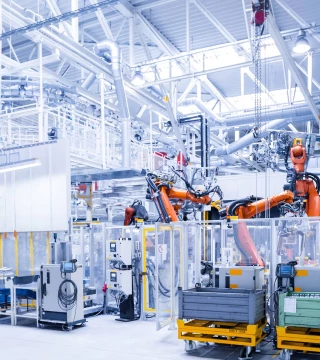
Output rises as workers are added until machine capacity limits productivity.
More labor raises crop yield up to a point on fixed land.

Extra workers speed orders initially, but congestion lowers efficiency.

Developers boost output early; coordination reduces gains later.
Marginal product is a basic economic idea showing how much output changes when you add one more unit of input. This concept helps businesses produce more efficiently, keep expenses down, and earn the most money. It's also key to important economic rules like the law of diminishing returns and how factors of production are priced. Knowing about marginal product helps companies and governments wisely distribute resources, hire workers, and make production more effective. Even with its simplified assumptions and drawbacks, marginal product is still a very useful and common tool in economic studies.
1. What is marginal product in economics?
Marginal product is the additional output produced by adding one more unit of an input while keeping other inputs constant.
2. What is the formula for marginal product?
Marginal product = Change in total output ÷ Change in input.
3. What happens when marginal product is zero?
Total product reaches its maximum level.
4. What is the difference between marginal product and average product?
Marginal product measures additional output, while average product measures output per unit of input.
5. Why does marginal product decline?
Due to the law of diminishing marginal returns caused by fixed inputs.
6. What is marginal productivity theory of distribution?
Marginal Productivity Theory of Distribution explains how income is shared among different factors of production like land, labour, capital, and entrepreneurship.
In simple words, each factor is paid according to the extra output (additional value) it adds to production.
For example:
Table of Content:
In the rapidly evolving world of logistics and supply chain solutions, businesses are searching for flexible, efficient, and cost-effective ways to store and manage inventory. Traditional long-term warehousing is no longer ideal for many small and mid-sized businesses especially those with seasonal demand or fluctuating inventory levels. Enter fractional warehousing a modern, scalable approach to warehouse space management that provides businesses with on-demand access to shared warehouse space, fulfillment services, and 3PL warehouse support without long-term contracts or high upfront costs.
Fractional warehousing refers to the practice of renting warehouse space in small, flexible increments rather than leasing an entire facility or entering costly long-term contracts. It’s a scalable logistics model designed to help businesses particularly e-commerce sellers, startups, and growing enterprises access warehouse storage solutions without the financial burden of traditional warehousing.
As e-commerce grows rapidly in India, companies face unpredictable demand cycles and storage challenges. Fractional warehousing solves these by offering:
1. Cost Efficiency
Renting large warehouses with long-term leases ties up capital. Fractional warehousing allows small and medium businesses (SMBs) to only pay for the space they use, eliminating unnecessary warehousing expenses.
2. Flexibility & Scalability
Businesses can scale storage up or down based on demand ideal for peak seasons, promotional sales, or product launches.
3. Faster Order Fulfillment
Multiple storage locations close to customers reduce delivery time boosting customer satisfaction and retention.
4. Professional Logistics Support
Most fractional warehousing providers include operational support such asinventory management, picking, packing, and returns turning warehousing into a full supply chain solution rather than merely storage.
5. Reduced Risk
Shared warehouse environments distribute risk, ensuring inventory is stored safely with advanced security, technology, and operational policies.
Choose a provider offering fractional warehousing and 3PL warehouse support.
Specify how much space you require and estimate your storage duration.
Ship inventory to the designated fulfillment center for processing.
Inventory is stored securely and tracked in real time via integrated software.
Orders are picked, packed, and shipped automatically as they arrive.
Returns are processed, inspected, and restocked efficiently.
Fractional warehousing is best suited for businesses that value flexibility, scalability, and cost efficiency. It reduces operational risk, improves delivery performance, and supports growth without the burden of owning or managing warehouse infrastructure.
This list highlights the top logistics companies in India providing fractional warehousing solutions and integrated supply chain services nationwide.

Overview:
Godamwale leads the industry in delivering fractional warehousing, on-demand warehouse space, and smart 3PL fulfillment solutions backed by advanced SaaS technology (Inciflo). With over 140+ million sq. ft. of warehousing space across 120+ locations, Godamwale enables businesses to scale without constraints.
Services:
Achievements:
Ranking Keywords: fractional warehousing India, Godamwale warehouse solutions, smart logistics platform.

Overview: A prominent 4.5PL logistics provider offering flexible distribution, warehousing, and supply chain solutions.
Services: Shared warehousing, freight forwarding, supply chain optimization.
Achievements: Known for modular logistics options and strong presence across urban centers.

Overview: Tech-driven logistics company focusing on supply chain solutions and e-commerce fulfillment.
Services: Shared warehouse space, transportation, last-mile delivery.
Achievements: Strong integration with online marketplaces and digital tracking.

Overview: Part of the Redington Group — blends technology, warehousing, and distribution for quick deliveries.
Services: Scalable warehouse storage, reverse logistics, multi-channel fulfillment.
Achievements: Large network enabling fast same-day and next-day delivery.
Overview: Customer-centric logistics provider offering tailor-made warehousing and transport solutions.
Services: Flexible storage, packing, delivery, supply chain visibility.
Achievements: Strong emphasis on efficiency and automation.

Overview: One of India’s most established logistics brands with wide warehousing and express delivery networks.
Services: Warehousing, distribution, express logistics.
Achievements: Nationwide footprint with high reliability.

Overview: Global logistics leader providing integrated warehousing and distribution.
Services: Shared warehousing solutions, global freight, supply chain management.
Achievements: World-class infrastructure & technology.

Overview: Premium express delivery and logistics operator with extensive network reach.
Services: Warehousing options, expedited delivery, fulfillment.
Achievements: Trusted delivery performance and customer service.

Overview: Integrated logistics provider specializing in multimodal transport and warehouse services.
Services: Shared warehousing, container freight stations, value-added services.
Achievements: Strong global partnerships & end-to-end solutions.

Overview: Cross-border logistics expert with flexible storage and freight handling.
Services: International warehousing, customs clearance, storage.
Achievements: Seamless global logistic integration.
Modern fractional warehousing is no longer just about sharing storage space it’s about using smart technology to improve speed, accuracy, and scalability. At Godamwale, technology plays a central role in delivering efficient, flexible, and cost-effective warehousing solutions for growing businesses. Here’s an overview of the key technology trends shaping fractional warehousing today:
AI-driven demand forecasting helps businesses anticipate inventory needs based on sales patterns, seasonality, and market trends. Godamwale leverages data intelligence to help brands avoid overstocking or stockouts while planning inventory placement more efficiently across locations.
A cloud-based WMS enables real-time inventory tracking, order status visibility, and performance reporting from anywhere. Godamwale’s cloud-enabled systems allow clients to monitor stock levels and fulfillment KPIs seamlessly making fractional warehousing as transparent as owning a dedicated warehouse.
Automation technologies such as conveyor systems and automated sorting reduce manual errors and speed up order processing. Godamwale adopts scalable automation to maintain faster turnaround times while keeping operational costs under control, ensuring consistent service levels even during peak demand.
API-driven integrations connect the warehouse directly with marketplaces, ERP systems, and logistics carriers. Godamwale’s API integrations ensure smooth coordination between storage, fulfillment, and last-mile delivery especially critical for eCommerce and omnichannel brands.
Barcode scanning, RFID, and IoT sensors enhance inventory accuracy and real-time visibility. At Godamwale, mobile scanning and IoT-enabled tracking help maintain high inventory accuracy across shared warehouse spaces, giving clients confidence in their stock data at all times.
Choosing the right fractional warehousing partner is a strategic decision that directly impacts delivery speed, cost efficiency, and customer satisfaction. Businesses today need flexibility, scalability, and technology-driven logistics and this is where Godamwale emerges as a reliable and future-ready solution.
A strong network presence is the foundation of effective fractional warehousing. Godamwale offers access to multiple warehousing locations across key Indian logistics hubs, enabling faster last-mile deliveries, reduced transit times, and optimized inventory placement. This distributed network helps brands serve customers across regions without investing in multiple dedicated warehouses.
Equally important is technology integration. Godamwale provides advanced warehouse management systems (WMS) with real-time inventory tracking, order visibility, and data-driven analytics. This ensures complete transparency, better demand forecasting, and seamless integration with eCommerce platforms and ERP systems crucial for scaling operations efficiently.
Pricing transparency is another critical factor. With Godamwale’s fractional warehousing model, businesses pay only for the space and services they use. Clear pricing per pallet, per SKU, or per order eliminates hidden costs and helps startups, SMEs, and growing enterprises maintain tight control over logistics expenses.
In terms of fulfillment capabilities, Godamwale delivers end-to-end solutions from picking and packing to shipping, returns management, and reverse logistics. This makes it an ideal fractional warehousing partner for D2C brands, B2B companies, and omnichannel retailers looking for speed, accuracy, and consistency in order fulfillment.
Lastly, customer support can make or break a logistics partnership. Godamwale offers proactive support with dedicated teams, quick issue resolution, and continuous operational assistance. Their consultative approach helps businesses optimize inventory, reduce delivery delays, and adapt quickly to market demand.
The logistics landscape in India is rapidly evolving, and fractional warehousing is at the heart of this transformation. It offers the perfect balance of cost efficiency, scalability, and operational excellence especially for e-commerce, retail, and fast-growing SMEs. Whether you're exploring shared warehouse space or looking for a full 3PL warehouse partner, choosing the right provider can make all the difference.
1. What is fractional warehousing?
Ans: A flexible storage model where companies rent only the space they need, for the exact time they need it with pay-per-use pricing and shared facilities.
2. How is fractional different from traditional warehousing?
Ans: Fractional warehousing offers short-term, scalable, and cost-effective storage without long leases unlike fixed, long-term traditional warehousing.
3. Is fractional warehousing suitable for small businesses?
Ans: Yes! It’s ideal for SMEs, startups, and seasonal sellers who want logistics flexibility and lower upfront costs.
4. Can fractional warehousing support e-commerce businesses?
Ans: Absolutely. Most fractional warehouses include integrated e-commerce fulfillment, order syncing, and marketplace integrations.
5. Does fractional warehousing include fulfillment services?
Ans: Yes many fractional warehousing partners provide order picking, packing, labeling, returns processing, and last-mile delivery options.
TABLE OF CONTENT:
While running a business, it is very important to accurately value the inventory for financial reporting, taxation, profitability analysis, and effective decision-making. Businesses depend upon valuation methods. Typically, they use FIFO, LIFO, Weighted Average Cost, and Specific Identification to maximize inventory costs and maintain transparency. This article will guide you and explain each method with easy-to-understand examples, and how partnering with Godamwale is a win-win situation.
At the end of an accounting period, the inventory is valued on the basis of your closing stock and is called Inventory Valuation. This process is very important from a business point of view. It seriously impacts the balance sheet and the profit and loss statement.
Cost of Goods Sold (COGS): It is the total cost of the inventory that a business has sold during a specific period. It includes the purchase cost, production cost, and any direct expenses required to bring the product to a saleable condition. Higher COGS means Lower Profit, and Lower COGS means Higher Profit.
As long as there is market demand for the products it manufactures, a product-based corporation will turn a profit. The business will choose if it is worthwhile to keep producing these goods or to discontinue.
There is one more challenge when it comes to valuing the product. The price of the raw material will fluctuate due to seasonal cycles. This affects the production of the product. The company needs to price these products at such a price that it is cheaper for the consumers to buy and the profit margins are high too.
Since each business enters the market with a view to generating a profit, the pricing of the particular product within a specific segment must survive the competition as well as make a profit after paying off all the taxes and liabilities. As a result, it is important for the company to value the inventory correctly.
Established: 2017
Founders: Ranbir Nandan, Vivek Tiwari, Basant Kumar ,Anand Aryamane
Core Services: On-demand Warehousing, 3PL, Inventory Management, Last-mile Delivery
Godamwale is one of the many third-party logistics companies in India. It offers its in-house platform called Inciflo. This software is ideal for automatic billing. It is also used for last-mile delivery and QR-based dispatch, all in real-time. With the use of this platform, you can not only search for ideal warehouse space that can be rented but also manage businesses without requiring long-term commitments. Godamwale is an ideal partner for FMCG, D2C, manufacturing, and retail brands.

Established: 2011
Founders: Sahil Barua, Mohit Tandon, Bhavesh Manglani, Suraj Saharan, Kapil Bharati
Core Services: Fulfillment, Express Parcel Delivery, Inventory Management, Cross-Border Logistics
Delhivery provides a smart logistics option. Its extensive network of warehouses can be found throughout the nation. It uses technology and AI tools in its service. Its clientele includes e-commerce and enterprise customers.

Established: 2007
Founders: Mahindra Group
Core Services: Contract Logistics, Warehousing, Freight Forwarding, Fulfillment
Larger-scale smart warehousing systems are also provided by Mahindra Logistics. In its services, it makes use of cutting-edge technology and AI solutions. It is ideal for enterprise and industrial brands.
Established: 2007 (India operations)
Founders: Deutsche Post DHL Group
Core Services: Contract Logistics, Supply Chain Automation, Multi-user Warehousing
DHL is a global logistics company. It uses the latest technology and AI-powered tools. It is quite popular to offer its services in retail, healthcare, and automotive companies.
Established: 1993
Founder: Shashi Kiran Shetty
Core Services: CFS, Warehousing, Transportation, Supply Chain Solutions
Allcargo offers warehouse management and solutions across the world. It is known to use the latest tech in their services that they have to offer. Its clientele typically involves established enterprises.

Established: 1993
Founders: Gateway Distriparks (Parent)
Core Services: Cold Chain Warehousing, Temperature-Controlled Logistics, Inventory Management
In India, Snowman is a provider of cold-chain warehousing. It provides logistical support tailored to temperature. It is perfect for managing QSR brands, dairy, pharmaceuticals, and frozen meals.
Established: 1997
Founders: Pawan Jain
Core Services: Warehousing, Express Logistics, Supply Chain Solutions
Safexpress provides an extensive nationwide network of warehouses and logistics parks. It also offers quick distribution and reliable inventory operations. It has a list of diverse industrial clients.

Established: 2004 (part of TVS Group)
Core Services: End-to-End Supply-Chain Consulting, Warehousing, Logistics & Distribution, Inventory Forecasting
TVS SCS offers complete supply-chain management solutions. It has a vast network of automated warehouses. It is ideal for big enterprises.

Established: 2016
Founder: Ajay Rao
Core Services: Warehousing, Fulfillment, Distribution, Inventory Control
Emiza offers smart and flexible warehouse options. It is perfect for mid-sized brands and SMEs. High inventory accuracy and optimized operational operations are its goals.

Established: 2014
Founders: Deepak Garg, Gazal Kalra (and founding team)
Core Services: Supply-Chain Logistics, Warehousing, Express Freight, Multi-modal Transport, Fulfilment
Rivigo is a supply-chain logistics company. It has a huge fleet of transportation. It offers its services to those enterprises that require high-volume or long-distance logistics operations.
| Company | Why Choose | Why Not |
| Godamwale | On-demand warehousing, tech-driven WMS, pay-per-use, nationwide reach | Limited global operations |
| Delhivery | Strong fulfillment network, robust tech stack | Service reliability varies in remote locations |
| Mahindra Logistics | Enterprise-grade warehousing & stability | Higher cost for SMEs |
| DHL Supply Chain | World-class automation & global expertise | Premium pricing |
| Allcargo Logistics | Best for large-scale storage & CFS | Not suitable for small/mid-size brands |
| Snowman Logistics | Leading cold-chain storage provider | Limited to temperature-controlled services |
| Safexpress | Pan-India coverage & reliable operations | Lesser automation than global players |
| TVS Supply Chain Solutions | End-to-end SCM, forecasting, enterprise-grade solutions | Too sophisticated (and costly) for small brands |
| Emiza | Cost-effective & accurate | Smaller national footprint |
| Rivigo | Great for long-haul + warehousing + express freight | Transport-focused; warehouse network not as extensive |
There are several reasons to choose Godamwale, a third-party warehouse management and logistics solution company, as your business partner. They are as follows:
Inventory valuation is an important process since the entire profit potential of a business depends on it. It makes no sense to overstock or understock inventories with goods. You, as a business head, will lose all the money gained by the sales of these goods, only to maintain the unnecessary overheads. You need a professional taking care of your logistics support.
Q.1) Which valuation method gives the highest profit?
It has been observed that FIFO generally provides the highest profit among all the valuation methods.
Q.2) Can I change my valuation method mid-year?
Unfortunately, you cannot. You need to complete the financial year before you think of switching over. The reason is that while switching from one valuation method to another, the entire process involves many complicated factors.
Q.3) Is LIFO allowed in India?
No. As per Indian GAAP and IFRS, this method of valuation is not permitted.
Q.4) Does valuation impact GST filings?
Yes. Any errors in the valuation of the goods can have a negative impact when you file your GST.
Q.5) Is WAC ideal for e-commerce?
Yes. Due to high volumes of inbound and outbound goods, this method is ideal for such businesses.
The entire viewpoint of business has changed in recent years. Businesses are more focused on delivering their goods as quickly as possible. As per statistics, the e-commerce growth in India will reach more than USD 11.48 billion. As a result, more stress is placed on the Parcel Management System, and this article will demonstrate how Godamwale fulfills this role.
The Parcel Management System, or PMS, is a software and operational ecosystem that allows the third-party logistics company to make sure that all activities, from receiving at the warehouse to dispatching to the customer's doorstep, are accurate and error-free.
The PMS is an important feature — below are the main benefits and functions to expect from a professional warehouse/fulfilment PMS.
Ensure inventories are accurately tracked across warehouses so stock levels stay optimal — not overstocked or understocked. Get real-time visibility of on-hand quantities and locations.
Centralise incoming orders, automate picking & packing, and dispatch by cost, speed or region. Automation reduces manual errors and speeds fulfilment.
Full transparency from receipt to dispatch — monitor movement, delivery status and delays in real time with alerts and actionable dashboards.
Replace multiple vendor bills with a single, clear invoice covering storage, add-ons, transport and courier charges for faster, simpler payments.
A central command view to monitor inventory, orders, deliveries, returns and courier performance — enabling real-time adjustments and decisions.
Combine automation and AI across sales, warehousing and logistics to simplify workflows, reduce manual tasks and improve accuracy.
Integration complexity: Combining the system with various channels in your business can be challenging. It requires technical alignment, custom mapping, and stable data flow to allow for smooth order syncing, tracking updates, and automated workflows without disruptions.
Upfront cost vs ROI: Initially, you will find that it is expensive to set up this system. But ROI can justify this cost. Once the system is in place, errors are reduced, you can expect faster fulfillment, allows for lower labor costs, and allows for a greater degree of over all transparency. Thus, from a long-term perspective, it is better and cost-effective.
Data security & access control: The system requires good security. Such measures help prevent hacking of sensitive information.
Flexibility of contract: It is wise to look out for those companies that offer on-demand, flexible, and pay-as-you-store inventory space for short-term or long-term lease. Thus, it is important to find a company that does not stick to hard-binding commitments.
Support and SLA from the provider: The service provider must make sure of minimal downtime, quick issue resolution, and consistent system performance.
Scalability: The service provider must allow for a smooth scaling in storage space and also ensure the expansion of a new market in a new location as per your business needs.
Established: 2017
Founders: Ranbir Nandan, Vivek Tiwari, Anand Aryamane
Core Services: On-demand Warehousing, 3PL, Inventory Management, Last-mile Delivery
Godamwale is one of the fastest-growing logistics and warehouse management companies in India. It offers a complete packaging and delivery system solution that is focused on technology and adaptability. Its internal platform, Inciflo, offers real-time visibility, QR code-based dispatch, automated manufacturing, and end-to-end tracking. For D2C, FMCG, manufacturing, and distribution brands, Godamwale is a transparent and eco-friendly partner since businesses can discover, explore, and manage these places without long-term commitment.
Established: 2011
Founders: Sahil Barua, Mohit Tandon, Bhavesh Manglani, Kapil Bharati, Suraj Saharan
Core Services: Express Parcel, Warehousing, Freight, Supply Chain Services
Delhivery is a warehouse management and logistics support company in India. It has combined technology in its operations. It has a strong network across the country. It is ideal for big businesses.

Established: 2015
Founders: Amitava Saha, Supam Maheshwari
Core Services: Express Logistics, Reverse Logistics, Warehousing, Cross-border Services
Scalable logistics operations and quick package delivery are Xpressbees' areas of strength. It allows for the entire smooth parcel movement. They have huge nationwide network of strong and automated hubs.
Established: 2000
Founders: Mahindra Group
Core Services: 3PL, Warehouse Management, Transportation, Fulfillment
Strong WMS and TMS platforms help Mahindra Logistics' enterprise-grade parcel and supply chain solutions. Their multi-modal transportation and tech-enabled warehouses make them an excellent option for the consumer, FMCG, and automotive industries.
Established: 1995
Founders: TVS Group
Core Services: Contract Logistics, Warehousing, Transportation, Freight Management
TVS SCS offers modern logistical solutions to businesses of all sizes. They also offer parcel and logistical services across the globe. They offer their scalable distribution systems, operational skills, and dependability.
Established: 1989
Founders: Gati Limited, now part of Allcargo Group
Core Services: Express Distribution, Warehousing, Supply Chain Management
Allcargo Gati is a leading express logistics provider. They offer last-mile delivery with the use of digital tracking. They have automated hubs that are spread across the country.
Established: 1997
Founders: Pawan Jain
Core Services: Express Logistics, 3PL, Warehousing, Surface Transport
One of its biggest delivery networks in India is owned by Safexpress. Strong hub-and-spoke operations, GPS-enabled trucks, and temperature-controlled logistics when needed complement their parcel handling.
Established: 2007 (India operations)
Founders: Deutsche Post DHL Group
Core Services: Contract Logistics, Warehousing, Distribution, Parcel Management
DHL Supply Chain offers global-standard parcel management with automation, robotics, RFID tracking, and deep supply chain visibility. Ideal for multinational and enterprise customers.

Established: 2012
Founders: T. A. Krishnan, K. Satyanarayana, Manju Dhawan, Late Sanjeev Saxena
Core Services: Parcel Delivery, Reverse Logistics, Warehousing
Ecom Express is an expert in e-commerce package transportation that has a huge network and excellent delivery accuracy. They excel in industries that rely heavily on returns and COD.

Established: 2015
Founders: Abhishek Bansal, Vaibhav Khandelwal
Core Services: Hyperlocal Delivery, Last-Mile, Micro-Fulfillment
Shadowfax offers parcel distribution and micro-fulfillment services, particularly for grocery, food, and online retailers. Real-time parcel routing and rider allocation are automated by its technologically advanced platform.
| Company | Why Choose? | Why Not |
| Godamwale | Tech-driven platform (Inciflo), on-demand warehousing, real-time visibility, flexible contracts, strong parcel management workflows. | Limited global presence compared to multinational 3PLs. |
| Delhivery | Largest parcel network in India, automated hubs, strong tracking, reliable e-commerce expertise. | Can be costlier for small-volume or early-stage businesses. |
| Xpressbees | Fast parcel delivery, strong return logistics, scalable for e-commerce brands. | Limited enterprise-focused solutions compared to bigger 3PLs. |
| Mahindra Logistics | Enterprise-grade 3PL, nationwide warehousing, strong compliance and process quality. | May not be ideal for small brands due to higher pricing. |
| TVS Supply Chain Solutions | Global capabilities, strong automation, multi-industry expertise. | Processes may feel complex for small and mid-sized companies. |
| Allcargo Gati | Pan-India express distribution, strong surface transport, reliable parcel movement. | Tech adoption slower than new-age logistics players. |
| Safexpress | Huge delivery network, reliable surface transport, strong B2B logistics. | Limited advanced automation compared to digital-first 3PLs. |
| DHL Supply Chain | Global network, high-end automation, excellent compliance and reliability. | Premium pricing; not suitable for cost-sensitive operations. |
| Ecom Express | Strong in e-commerce parcel handling, extensive PIN-code coverage, robust COD handling. | Less focused on large-scale warehousing operations. |
| Shadowfax | Hyperlocal delivery strength, fast city-level distribution, great for food/grocery. | Not ideal for heavy B2B or large warehouse-based operations. |
Godamwale is a third-party logistics company that has a strong network of warehouses and fulfillment centers spread across the country. It has been actively aligning with the government guidelines. It offers smart solutions that are suitable for the current market conditions.
It has an in-house state-of-the-art software called Inciflo. This software allows total transparency from the time the product reaches the warehouse for storing and is dispatched to the intended customer based on order fulfillment.
Choosing Godamwale as the Parcel Management System is the best choice, as you can be sure that you will never go wrong.
The PMS has yet to show its full potential. The rate of Return-to-Origin for Indian e-commerce for 2025 was 20-26%. However, there are several companies that are in the process of combining automation and AI-driven software to reduce this.
With the help of these techs, they provide total transparency for you, as a business head, to monitor the entire operation. With real-time tracking, you can be sure that your products reach their destination within the given time frame. You can track the parcel in real-time with the help of IoT & RFID Tracking.
You can not only track your inventories from the time they reach a warehouse till the time they are dispatched after order fulfillment, but you can also view the total number of products that are being stored in the warehouse.
By combining blockchain technology within the entire process, the process is transparent and cannot be manipulated. Thus, you can be sure that the parcel has reached its intended destination, and this data cannot be manipulated.
In recent years, the government has taken positive initiatives to reduce its carbon footprint. With so many incentives, these warehouse and logistics offering companies are in the process of relying on green and sustainable energy rather than depending upon traditional energy.
The Parcel Management System, or PMS, is no longer an add-on feature but a necessity in these modern times. It has several benefits; it not only improves the transparency in an operation by reducing cost but also improves customer satisfaction and allows you to scale your business as per your business requirements. Thus, partnering with the correct third-party logistics solutions offering company is important.
Q.1) Is PMS only for big companies?
No, regardless of the scale of a business operation, several third-party logistics companies offer these services to start-ups or emerging brands.
Q.2) Can I integrate PMS with my current inventory system?
Yes. Most PMS can be combined with your existing operations and software.
Q.3How much does it cost?
It can be expensive while setting it up. But the cost is justified, as you are not looking for a short-term operation. In the long term, this cost will be very cheap.
Q.4) How secure is my data?
Most of the leading third-party logistics companies invest heavily in security measures. Thus, it is difficult to breach this security to access sensitive data.
Q.5) Can PMS handle returns / reverse logistics?
Yes. Modern PMS are created in such a way that they allow for a greater degree of transparency. As a result, you can even track returns or reverse logistics in real time.
Looking for a warehouse/godown for rent in Aslali, Ahmedabad? Aslali (on the Ahmedabad–Kheda/Sanand belt) is a rapidly expanding industrial node with ready access to national highways and growing warehousing inventory — from small godowns to large built-to-suit sheds. This guide explains why Aslali is attractive, rental price drivers, the types of warehouse space available, how logistics companies (including Godamwale) support brands, 10 leading 3PL/warehousing players with their strengths and achievements (compact 600-word summaries), addresses/contact pointers, how logistics firms are adapting to new demands, future trends, FAQs and a recommended conclusion. Key sources used: Godamwale’s Ahmedabad warehousing page and major Indian property portals (MagicBricks / 99acres), plus industry lists.
Godamwale Trading & Logistics Pvt Ltd is a technology-first 3PL and warehouse marketplace that positions itself as a cost-efficient partner for brands looking for warehousing, fulfillment and omnichannel distribution across India. Founded mid-2010s, Godamwale blends a pan-India warehousing network with a proprietary operations platform for inventory visibility, order accuracy and on-demand space listings — making it an excellent starting point for businesses searching warehouse for rent in Aslali or nearby Ahmedabad industrial zones. Godamwale’s Ahmedabad warehousing overview and listings are a useful local resource when shortlisting spaces and comparing facilities.
500–5,000 sq ft — basic roof & maintenance; ideal for local distributors and low-volume storage.
10,000–60,000 sq ft — higher clear heights, dock doors and reliable power; suited for mid-scale manufacturing and distribution.
60,000+ sq ft — racking, office blocks, security; tailored for large manufacturers and 3PLs requiring custom infrastructure.
For FMCG and pharma — specialized HVAC, temperature zoning and regulatory compliance for sensitive products.
High SKU churn — dedicated packing & returns areas and tight integration with courier & last-mile partners.
Below is a concise but information-dense profile of 10 leading players you’ll commonly consider when looking for a warehouse for rent in Aslali / Ahmedabad.
A marketplace + 3PL model focused on flexible, short-term warehousing and omnichannel fulfillment. Strengths: pan-India network, proprietary ops tech (real-time inventory, FIFO/LIFO controls) and affordable SKU-level fulfillment. Achievement: Listed multiple Ahmedabad warehouses and claims presence across 120+ cities.
Large national logistics and fulfillment player. Strengths: massive network of fulfillment centers, automated sortation, strong last-mile partnerships. Achievement: Rapid scaling since 2011 with hundreds of facilities and deep e-commerce integration.
Integrated 3PL & supply chain solutions with strength in B2B distribution and automotive logistics. Achievement: Large corporate client base and multimodal solutions across India. Strengths include asset-light models plus tech for route optimization.
Well-known parcel & express specialist with strong domestic air network (through DHL partnership). Strengths: express reliability, tracking, B2C expertise. Achievement: Extensive pin-code coverage and brand recognition in express shipments.

Strengths: pan-India freight network, express logistics and freight forwarding. Achievement: Long standing presence in B2B express & surface logistics with multiple distribution hubs.

Multi-modal global logistics (LCL consolidation, CFS, NVOCC). Strengths: international freight, container handling and large corporate accounts. Achievement: Global presence in container logistics and consolidation.
Specialist in surface logistics and supply chain solutions for heavy freight and express LTL. Strengths: strong pan-India surface network, warehousing for industrial goods. Achievement: Decades of operations with large industrial clients.

Strong presence in road and cargo with a sizable fleet; noted for regional coverage across many states. Strengths: fleet depth and reliable trucking capacity for regional distribution. Achievement: High fleet utilization and coverage.

Cold chain specialist for food & pharma. Strengths: temperature-controlled warehousing, compliance & temperature monitoring. Achievement: One of India’s leading cold-chain networks, trusted by food brands and pharma.

Strengths: e-commerce focused fulfillment, multi-carrier integrations, software for seller dashboards. Achievement: Rapid growth servicing D2C and marketplace sellers with small-to-mid sized fulfillment centers.
Redefine Your Supply Chain
Q1: What is the average rent per sq. ft. for a warehouse in Aslali, Ahmedabad?
Ans: Prices vary by size and specification. Small godowns are cheaper; industrial sheds and modern warehouses command higher rates. Refer to current listings on portals (99acres/MagicBricks) or Godamwale’s Ahmedabad page to get updated per-sqft ranges.
Q2: Can I get short-term (monthly) warehouse rentals in Aslali?
Ans: Yes — co-warehousing and marketplace listings permit short-term and flexible rentals; Godamwale and local agents offer options. Always check the owner’s minimum lease term.
Q3: Are there cold storage options near Aslali?
Ans: Cold storage tends to be concentrated in specialized pockets; Ahmedabad has cold chain providers — confirm availability near Aslali specifically or consider transport from nearby cold hubs. Snowman and other cold chain providers operate regionally.
Q4: What compliance should I check before signing a lease?
Ans: Fire NOC, building occupancy certificate (OC), labour compliance (if employing staff), environmental clearances, insurance and GST registrations if operating large warehouses.
Q5: Why choose Godamwale for my Aslali warehousing needs?
Ans: Godamwale offers a tech-enabled marketplace and 3PL services with pan-India inventory visibility, flexible storage durations, and fulfilment support — useful when you want both a space and operations partner.
TABLE OF CONTENT:
The logistics sector has undergone a very significant change over the last few decades. With international trade booming and e-commerce becoming commonplace, the businesses seek more sophisticated technology -oriented solutions for their ever more complex supply chains.
Here's the solution, 5PL Logistics, an approach that uses state-of-the-art technology with strategic integration to optimize the whole supply chain from procurement to last-mile delivery. This blog will explore what 5PL logistics is, how it is different from the earlier ones, what its advantages and challenges are, and why it will become the future of supply chain management.
5PL, Fifth-Party Logistics is the latest and most complex logistics concept used presently. While the conventional logistics would cater mostly to one small portion of the supply chain, 5PLs, by contrast, would look at the supply chain on a 360 degree basis for their customers and would manage and optimize the supply chain networks. This can include integrating and coordinating multiple third-party logistics (3PL) and fourth-party logistics (4PL) providers, quite likely crossing geographies and industries.
What sets 5PL is its dependence on advanced technologies like Artificial Intelligence (AI), Internet of Things (IoT), machine learning, and Big Data analytics. These technologies allow 5PL providers to provide end-to-end visibility, predictive analytics, and real-time optimization of the logistics process.
To fully understand the essence of 5PL, it's worthwhile to see the path of the evolving logistics model.

1. Technology Integration
5PL providers capitalize on cutting-edge technology. AI, IoT, and Big Data analytics are at the core of their business, which allows for real-time monitoring, predictive analysis, and automated decision-making. For instance, predictive analytics can anticipate demand and optimize stock levels, while IoT sensors track shipments and dynamically adjust routes.
2. End-to-end Supply Chain Management
In contrast to 3PLs and 4PLs, 5PLs oversee the whole supply chain, from purchasing to final-mile delivery. They coordinate logistics through various channels and geographies, facilitating smooth movement of goods.
3. Omnichannel and E-commerce Focus
As e-commerce business increased, companies tend to sell products across several channels. 5PLs, in particular, provide for the integration of omnichannel logistics, transferring warehousing, shipping, returns, and last-mile delivery across all platforms.
4. Sustainability Initiatives
5PLs leverage green logistics programs such as route optimization to minimize fuel consumption and emissions, as well as employ data analytics for waste reduction.
5. Risk Management-
Advanced risk management is a key feature of 5PL in which providers attempt to use real-time tracking and predictive analysis in identifying disruptions and responding accordingly due to port closure or transport delay.
1. More Efficiency
Technology used by 5PL providers is to optimize logistics processes and thereby cuts down manual intervention by and large, thus such providers enhance the overall efficiency of the system. Real-time info strengthens decision-making capacity in a fairly short time and helps resolve issues even before they appear.
2. Cost Saving
Pooling shipments, negotiating for the best rates on behalf of shippers with various carriers, and making the best decisions as to routes are some of the activities that a 5PL would carry out to achieve huge cost-saving to the shippers. Predictive analytics, at the same time, aid in reducing inventory holding costs.
3. Scalability and Flexibility
The services offered by 5PL providers are highly scalable, wherein firms can therefore grow or shrink their logistics operations in accordance with prevailing market demands with no infrastructure investment on their own.
4. Enhanced Visibility and Control
Advanced tracking technology and data analysis offer end-to-end visibility throughout the supply chain, and businesses can track shipments, inventory, and performance in real time.
5. Sustainability-
Green logistics practices enable companies to minimize their carbon footprint and achieve environmental, social, and governance (ESG) objectives.
6. Risk Mitigation-
In cases where disruptions come along, 5PL providers can ensure real-time monitoring and use predictive analytics to assess the least impact on supply chain functioning.
1. High Implementation Costs
It requires huge capital investment in the implementation of emerging technologies such as AI and IoT which have the deterrent effect on the small- to mid-sized enterprises.
2. Cybersecurity and Data Privacy
The use of digital solutions exposes organizations to the threat of cyberattacks and data loss, and strong cybersecurity is thus the need of the hour.
3. Regulatory and Compliance Complexities
Cross-border logistics mean dealing with complex regulation, which can be operationally challenging.
4. Market Fragmentation and Competition
The 5PL market is very competitive, which makes it difficult for new companies to gain a foothold.
5. Managing Global Supply Chains
Managing logistics in multiple countries with their respective rules and risks further complicates 5PL operations.
1. Technological Advances
Emerging technologies, such as blockchain, IoT, and machine learning, are at the forefront to shape futures of 5PL, creating logistics solutions that are smarter and more predictive.
2. E-Commerce and Omnichannel Growth
Increasing e-commerce and omnichannel retailing have stimulated the evolution of 5PL solutions that manage multi-layer complex logistics networks.
3. Sustainability Initiatives
Environmental sustainability will gain prominence, with 5PL providers embracing green logistics to address regulatory and consumer requirements.
4. Industry Tailoring and Customer Focus
5PLs will deliver more customized solutions that are industry-specific, which will improve their value proposition.
5. Growth in Market
The 5PL market will grow to $17.3 billion by 2035, with a CAGR of 6.5%. Other projections estimate yet stronger growth rates, mirroring 5PL service uptake worldwide.
1. Flexport
Flexport is a leading 5PL company that uses advanced technology and digital tools to make global supply chains work better and more efficiently. By using smart algorithms and automation, Flexport helps businesses like Allbirds predict what products will be needed and manage their shipments more smoothly and accurately.
2. Zalando, Allbirds, Alibaba, and More
The giants of the e-commerce world utilize 5PL services for the purpose of their logistics. Hence, by employing technology in their supply chains, they manage the logistics flexibly and efficiently, which is a very important of their worldwide operations.
3. Amazon and Alibaba
By using advanced technology, these two companies have created a strong, worldwide network of suppliers, warehouses, and deliveries, showing the power of modern 5PL logistics.
While 5PL is at the cutting edge of logistics, with most companies still requiring strong 3PL partners for managing their day-to-day logistics needs, Godamwale is today recognized as one of the best 3PL logistics companies in India, providing a full range of services that make logistics smooth and cost-effective.
Why Godamwale?
For more information, visit Godamwale’s website.
5PL is the future supply chain management- a fully integrated, technology-assisted solution streamlining every aspect of logistics operations. With the rising complexity in supply chains due to globalization, e-commerce, and consumer demands, 5PL providers are capable of delivering the talent, tech, and scale necessary to remain competitive.
Even though using 5PL can be difficult because of high costs and rules, it helps companies save money, work more efficiently, and be more eco-friendly, making it a good choice for businesses with complex logistics needs. As logistics develops, 5PL is expected to become even more important in managing global supply chains.
FREQUENTLY ASKED QUESTIONS
1. What is 5PL logistics?
5PL logistics means a company manages the entire supply chain for a business using advanced technology. Unlike 3PL and 4PL, which handle only parts of the logistics process, 5PL takes care of everything from start to finish. They usually act as the only contact point for the customer, making the process easier and more connected.
2. Some different between 5PL, 4PL, and 3PL?
3PL: Handles select logistics activities like warehousing, transport, and inventory management.
4PL: Logistics integrator over the entire supply chain and works with many 3PLs.
5PL: Whereas a 4PL deals with coordination of the entire supply chain network technically, a 5PL creates a technology-based solution for coordinating the whole supply chain network involving many 3PLs and refining logistics by means of Data Analysis and IoT.
3. What are the advantages of having a 5PL provider?
5PL suppliers provide higher efficiency, cost reduction, greater visibility of the supply chain, scalability, and fast adaptability to changes in the market.
4. What are the possible disadvantages of 5PL logistics?
Possible disadvantages are high setup fees, losing some control over the logistics process, and reliance upon the technology and systems of the provider.
5. Would 5PL fit any company?
5PL would be serving companies with complex supply chains or about to enter new markets. Smaller companies with less complex logistics requirements would do well to use 3PL or 4PL for affordability.
6. What is the usage of technology in 5PL logistics?
Technology being so central to 5PL logistics, the providers utilize cloud computing, IoT, and big data analytics to optimize supply chain processes. This enables the providers to gather data and analyze it in real time to serve better decision-making and operational efficiency.
7. What are the trends in 5PL logistics now?
Trends involve more reliance on AI and machine learning for demand forecasting, more focus on sustainability, and widening of 5PL offerings to encompass reverse logistics and cold chain management.
8. What sort of challenges will 5PL providers face?
Challenges include keeping up with rapid technological advancements, managing complex global supply chains, and ensuring data security and privacy.
9. Should 5PL logistics assist international shipping?
Yes. Indeed, 5PL providers are very well-equipped with managing international logistics that involve customs regulations and cross-border shipments, which is an extra advantage to e-commerce businesses.
TABLE OF CONTENT:
Godamwale is one of India's leading warehousing and 3PL (Third-Party Logistics) companies, offering innovative fulfillment and storage solutions across the country. Whether you’re a small D2C brand, a growing e-commerce business, or an enterprise looking to scale, Godamwale’s platform connects you with strategically located godowns and warehouses that are optimized for speed, safety, and scalability. Godamwale stands as a live example of how operations management, when executed right, brings speed, cost-efficiency, and customer satisfaction to the forefront of business logistics.
Operations Management is very important in business and technology. It helps make things work better, faster, and more efficiently. This includes things like controlling supply chains, making workflows better, and managing memory and processes in computer systems.
Operations Management, called OM, is about running a business well to make it work as smoothly as possible. It's about turning materials and effort into goods and services in the best way. The main goal of operations management is to get the most products or services out while keeping costs as low as possible. This means planning, arranging, guiding, and watching over how things are made or done.
The primary objectives of operations management are:
Managing operations isn't only important for factories. No matter if you're in charge of a hospital, online store, school, or shipping company, operations management keeps things working smoothly.
Here’s why it’s important:

Operations management encompasses several functions that together ensure smooth business operations.
1. Product and Service Design
This means figuring out what to make and the method for making it. When planning, it's important to think about price, how well it works, what buyers want, and if it's possible to create it.
2. Process Design and Management
Workflows and production steps need to be laid out. Good processes cut down on delays and make things happen faster.
3. Supply Chain Management
Controlling how goods move, from getting them from providers, to making things, and then sending them to buyers. This covers buying, storing, keeping track of stock, and shipping.
4. Capacity Planning
Figuring out how much to produce to match changing needs without wasting resources or working them too hard.
5. Inventory Management
Keep the right amount of stock so you don't have too much or too little. Methods such as EOQ, JIT, and ABC analysis help with this.
6. Quality Management
Making sure items are up to par. Methods such as Six Sigma, TQM, and ISO rules are frequently used.
7. Scheduling
Use resources, time, and people in the best way possible. Tools like Gantt charts and scheduling programs make this easier.
8. Maintenance
Make sure machines, tools, and tech are well-maintained to prevent them from breaking down or causing hold-ups.
To succeed, operations managers use several strategies and tools:
Lean Manufacturing
It cuts down on waste while still keeping production high. Lean methods aim to give customers better products or services using less.
Six Sigma
Focuses on reducing defects and improving quality through a structured, data-driven approach.
Total Quality Management (TQM)
A lasting plan where everyone works together to always make things better and keep customers happy.
Kaizen
A Japanese term meaning "continuous improvement," Kaizen promotes regular, incremental changes for better efficiency.
Just-In-Time (JIT)
A strategy where materials are received only as they are needed, reducing inventory costs and waste.
Enterprise Resource Planning (ERP) Systems
Integrated software solutions that help manage core operations including finance, HR, supply chain, and manufacturing.
Technology has revolutionized operations management. Here’s how:
Automation and Robotics
Automated machinery reduces manual labor, increases speed, and improves precision.
Artificial Intelligence (AI)
AI-powered predictive analytics can forecast demand, optimize inventory, and personalize customer experiences.
Internet of Things (IoT)
Smart sensors track real-time performance and improve equipment maintenance, especially in manufacturing and logistics.
Cloud Computing
Enables access to operational data across departments, improving coordination and scalability.
Digital Twin Technology
Creating a virtual replica of a physical asset or process helps simulate and optimize operations before real-world implementation.
Manufacturing
The origin of OM. Focuses on production efficiency, quality, and cost reduction.
Retail
Operations involve inventory control, vendor management, and customer experience.
Healthcare
Operations ensure timely care, optimize resource allocation (like beds and staff), and maintain patient records.
Logistics and Supply Chain
Managing transportation, warehousing, and delivery systems to ensure timely order fulfillment.
Common Challenges in Operations Management
Despite its benefits, operations management comes with its own set of challenges:
1. Unified Platform for End-to-End Logistics
Godamwale offers a tech-enabled logistics platform that connects brands with warehousing and fulfillment services across India. From storage to dispatch, the entire process is digitized, reducing manual intervention and increasing real-time visibility.
Key Benefits:
2. Fulfillment Solutions for E-commerce & B2B
Whether you’re fulfilling bulk B2B orders or managing high-volume e-commerce sales, Godamwale provides tailored fulfillment solutions for different business models.
Services Include:
3. On-Demand Warehousing: Pay-as-You-Grow
Traditional warehousing requires long-term commitments. Godamwale’s on-demand warehousing model allows brands to scale storage needs without upfront investment.
Why It Matters:
4. Seamless Integration with Your Existing Systems
Godamwale’s tech stack integrates with leading ERP, WMS, and e-commerce platforms like Shopify, WooCommerce, Amazon, and Flipkart. This ensures your order flow, stock updates, and shipping status are synced in real-time.
Benefits:
Godamwale bridges the gap between production and consumption through a well-connected network of warehouses, transporters, and delivery partners. Here’s the journey:
➤ At the Manufacturing Unit:
➤ At the Warehouse:
➤ At the Fulfillment Stage:
➤ Last-Mile Delivery:
2. Multi-City Warehouse & Fulfillment Network
With a vast network across Bangalore, Hyderabad, Mumbai, Delhi, Chennai, Kolkata, and tier-2 cities, Godamwale enables you to store your goods close to your demand hubs. This reduces delivery time and lowers costs.
Benefits:
3. Smart Inventory Management
Godamwale uses advanced tech tools like cloud-based WMS to manage inventory in real-time.
Features:
4. Tech-Enabled Order Management System
Our platform integrates with your ERP, e-commerce platform, and POS system. Features include:
5. Value-Added Services (VAS)
6. Reverse Logistics Support
Returns are an inevitable part of the supply chain. Godamwale has a robust process to:
7. Scalability During Peak Seasons
During festive seasons or flash sales, your volume might multiply. Godamwale ensures:
As the business environment evolves, so does the field of operations. Some future-forward trends include:
Sustainable Operations
Companies are adopting green supply chains, zero-waste manufacturing, and circular economy practices.
Resilient Supply Chains
Post-pandemic, there’s an increased focus on building resilient, multi-sourced supply chains.
AI and Machine Learning Integration
Using AI for decision-making, demand forecasting, and process automation is becoming the norm.
Hyper-personalization
Customized product experiences are made possible through flexible operations and digital twins.
Data-Driven Operations
Real-time data analytics helps managers make quicker, better-informed decisions.
At Godamwale, we simplify and optimize your entire supply chain, from storage to last-mile delivery. Our tech-driven solutions ensure real-time visibility, seamless inventory management, and efficient order fulfillment. With a nationwide network of warehouses, advanced WMS (Warehouse Management System), and integration with major e-commerce platforms, we help businesses scale faster while reducing costs.
Our services include end-to-end logistics, smart warehousing, packaging, and fulfillment tailored to your needs. By leveraging data-driven insights and automation, we eliminate operational bottlenecks and ensure your products reach customers on time, every time.
Operations Management is at the heart of every successful organization. It ensures the seamless conversion of resources into valuable outputs, keeps costs in check, and maximizes customer satisfaction. Whether you’re producing goods, delivering services, or managing logistics, strong operational practices give you a competitive edge.In an era where efficiency, speed, and sustainability matter more than ever, mastering operations management is not optional it’s essential.
Website: godamwale.com
Also, check out the Warehouse Management System and Inventory Management System in India
Frequently Asked Questions (FAQs)
Q1. What qualifications do you need to work in operations management?
A degree in business administration, supply chain management, or industrial engineering is common. Certifications like Six Sigma, PMP, or CPIM add great value.
Q2. How is operations management different from supply chain management?
Operations management is broader and includes production, quality, and scheduling. Supply chain management is a subset focused on material flow and logistics.
Q3. What industries benefit most from operations management?
All industries from manufacturing and healthcare to e-commerce and IT—benefit from optimized operations.
Q4. What software tools are used in operations management?
Popular tools include SAP ERP, Oracle, Microsoft Dynamics, Monday.com, and Zoho Operations.
Q5. Can small businesses benefit from operations management?
Absolutely. Streamlining operations can reduce costs and increase profits, no matter the size of the company.
TABLE OF CONTENT:
Godamwale is a quickly expanding logistics and storage network in India. They offer flexible warehouse space in big and mid-sized cities, like Ranchi. They aim to help businesses of every size by providing complete warehousing, order processing, inventory management, and final delivery services, all managed through their technology system.
Ranchi, Jharkhand's main city, is quickly becoming a center for storage and shipping in Eastern India. Because online shopping, everyday goods, medicines, and factories are growing, companies are looking more and more for dependable storage spaces to rent in Ranchi. This helps them control their goods, improve how they deliver products, and get orders out quicker.
Ranchi’s strategic location, affordable real estate, and improving connectivity to cities like Jamshedpur, Patna, Kolkata, and Dhanbad make it ideal for setting up storage and fulfillment centers. Here’s why businesses are looking for godown and warehouse spaces in Ranchi:
Here are the top companies offering storage, warehouse space, and logistics services in Ranchi, based on infrastructure, achievements, and reliability:
Godamwale is a tech-driven warehousing and fulfillment company offering end-to-end storage, logistics, and 3PL services across India. With a strong presence in major cities like Delhi, Mumbai, Bangalore, Chennai, Kolkata, and expanding in tier-2/3 cities, Godamwale connects businesses with flexible, on-demand warehousing and smart fulfillment solutions. Designed for e-commerce, retail, and D2C brands, Godamwale offers services like real-time inventory tracking, order processing, last-mile delivery, and demand-based storage.
Achievements: Onboarded 1,500+ clients, 500+ warehouses, integrated last-mile delivery network.
USP: End-to-end fulfillment solutions, real-time tracking, plug-and-play warehousing.

Om Logistics Supply Chain (OLSCPL - a wholly owned subsidiary company of Om Logistics Ltd.), with more than three decades of expertise, proudly stands as the premier supply chain and logistics management company in India. We have meticulously developed a state-of-the-art infrastructure, committed to delivering unparalleled services to all our stakeholders.
Overview: One of India’s leading integrated logistics providers.
Achievements: ISO-certified, with a nationwide presence and multimodal transport solutions.
Services in Ranchi: Full truckload, warehousing, freight forwarding.
Safexpress started its journey in 1997 with a mission of delivering logistics excellence to its customers and ensuring their future success through its impeccable network, direct routes, 24 x 7 operations continuity and high-quality services. Over time, the firm has firmly entrenched itself as the 'Knowledge Leader' and 'Market Leader' of supply chain & logistics industry in India.
Achievements: 100+ logistics parks, express distribution across 35,000+ pin codes.
Presence in Ranchi: Warehousing and surface logistics hub.

TCI XPS was established in 1996 as one of the foremost divisions of Transport Corporation of India (TCI), India’s most admired logistics company. Today TCI XPS has been hived off to become TCI EXPRESS LIMITED, an independent company listed with stock exchanges of India. Here the focus is very clearly on express cargo distribution with greater emphasis on the burgeoning e-commerce business.
Achievements: NSE-listed, high-speed network across Tier II and III cities.
Edge in Ranchi: Rapid delivery services and scalable storage solutions.

Delhivery is one of India’s leading logistics and supply chain services companies, founded in 2011. Headquartered in Gurugram, it offers a full suite of services including express parcel transportation, freight, warehousing, cross-border logistics, and supply chain software. Delhivery operates a tech-enabled, pan-India network, serving over 18,000 pin codes and handling millions of orders daily for e-commerce platforms, direct-to-consumer brands, and enterprises.
Achievements: Over 80 fulfillment centers nationwide.
In Ranchi: Offers last-mile delivery, warehousing, and third-party logistics.

Allcargo Gati operates a vast logistics network in India, underpinned by a global parent. From its early courier roots, it now offers full-spectrum logistics express, freight, warehousing, and e‑commerce services. With a strong emphasis on sustainability (AFVs, carbon neutrality), modern infrastructure (STCDWs), and digital integration (ONDC), it's poised for growth. Its exploration of external investment aims to further scale and modernize operations.
Achievements: ISO 9001 certified with tech-driven logistics.
Ranchi Unit: Regional logistics hub with temperature-controlled storage.

VRL Group, founded in 1976 by Dr. Vijay Sankeshwar in Karnataka, is one of India’s leading logistics and transportation companies. Operating under the brand VRL Logistics Limited, the company began with a single truck and has grown into a national player with a strong fleet of over 5,000 vehicles. VRL offers services in goods transportation, courier, warehousing, and passenger transport, covering major cities and rural regions across India.
Achievements: Fleet of 4,000+ vehicles and storage across Indian states.
In Ranchi: Focuses on FMCG and retail distribution.

DHL Supply Chain India, a division of Deutsche Post DHL Group, is a leading provider of contract logistics solutions in India. With a strong presence across major cities and industrial hubs, DHL offers end-to-end supply chain services, including warehousing, transportation, distribution, and value-added services. The company operates a vast network of state-of-the-art multi-client and dedicated warehouses, catering to sectors like automotive, retail, e-commerce, healthcare, engineering, and consumer goods.
Achievements: Advanced warehousing solutions for MNCs.
Ranchi Support: Through local warehousing partners and smart solutions.

Nandan Courier & Cargo Services is a trusted logistics and transportation company offering reliable courier and cargo solutions across India. Known for its punctuality and efficient delivery system, Nandan specializes in both domestic and commercial shipments. The company provides a wide range of services including express parcel delivery, freight forwarding, and cargo handling with a focus on timely, safe, and cost-effective operations.
Achievements: Serving 1,000+ local clients in Jharkhand.
Strength: Affordable rates and regional transport.

Shree Mahavir Express Services is a leading logistics and transportation company in India, known for its efficient and reliable supply chain solutions. Established with the aim of providing cost-effective and time-bound deliveries, the company offers a wide range of services including express cargo, part and full truckload services, warehousing, and last-mile delivery.With a strong network spread across major cities and industrial hubs, Shree Mahavir Express ensures timely movement of goods through its fleet of well-maintained vehicles and trained personnel.
Achievements: 15 years of trusted logistics in Ranchi.
Specialization: Food and FMCG supply chains.
While often used interchangeably, there is a difference between a warehouse and a godown. Here’s a detailed comparison:
| Feature | Warehouse | Godown |
| Definition | A large, organized facility used for storing goods systematically | A storage space, usually smaller, used for bulk or overflow goods |
| Structure | Well-planned, often with racks, pallets, docks | Simple construction, often adjacent to retail/industrial units |
| Usage | For logistics, e-commerce, retail, FMCG, pharma | Used by wholesalers, manufacturers for raw materials |
| Technology Integration | Often includes WMS (Warehouse Management System), barcode scanning, real-time tracking | Mostly manual systems, limited tech |
| Fulfillment Capabilities | Suitable for pick-pack-ship operations | Only for storage; not ideal for order processing |
| Security & Monitoring | CCTV, inventory management, and safety compliance | Basic lock-and-key security |
Here's a list of top cities near Ranchi with detailed overviews:
1. Jamshedpur

30000 Sq.Ft.Warehouse in Jamsedpur, Ranchi

35000 Sq.Ft.Warehouse in Ranchi
2. Dhanbad
3. Hazaribagh
4. Bokaro Steel City
5. Ramgarh
*Check our page https://godamwale.com/network/ for more warehouse images or call us directly.

Location Advantage
Space Customization
Infrastructure & Facilities
Fulfillment Support
Demand-driven Supply Chain
A lot of companies wrongly pick different suppliers for keeping goods and sending them out. This causes holdups, misunderstandings, and a lack of clear information. Working with one logistics company, such as Godamwale, gives you:
1. Centralized Inventory Control
Having one system to handle keeping items, shipping orders, and processing returns gives you a full view of how much product you have in each place.
2. Faster Order Processing
Get rid of wasted time moving items from where they're stored to a different place for shipping orders.
3. Cost Savings
Combining services greatly cuts down on expenses for moving and managing goods.
4. Better Accountability
Having a single place to go for all your warehouse and shipping needs makes things easier to manage and results in better service.
5. Scalability
As your business expands, Godamwale's network across India helps you grow into new cities without needing to locate new suppliers.
Here are some key industrial zones and areas where you can rent warehouses or godowns in Ranchi:
With its strategic location, Ranchi has become a vital logistics hub for businesses expanding across eastern and central India. Choosing the right warehouse or storage facility can significantly enhance operational efficiency, reduce delivery timelines, and boost profitability.
Godamwale offers advanced warehousing solutions in Ranchi—backed by real-time tracking, flexible storage, and tailored logistics—making it the top choice for companies seeking reliable infrastructure and growth-ready support.
Redefine you Supply Chain
Frequently Asked Questions
What is the average rent for a warehouse in Ranchi?
The rent can vary between ₹10 to ₹25 per sq. ft., depending on the location, amenities, and space size. Tech-enabled warehouses with fulfillment services may cost slightly more.
Can I get a warehouse on a short-term lease in Ranchi?
Yes. Platforms like Godamwale offer flexible lease terms, including short-term, seasonal, or pay-per-use models.
Are fulfillment services available along with storage in Ranchi?
Yes. Providers like Godamwale offer storage + fulfillment bundles with order picking, packaging, and dispatch services.
Which company provide best warehouse in Ranchi?
Godamwale provides the best warehouse solutions in Ranchi, offering flexible storage, real-time inventory management, and tech-enabled operations tailored to various industries.
How can I rent a warehouse with Godamwale in Ranchi?
You can visit www.godamwale.com, explore available locations, and request a quote directly. Their team will help you with space planning, onboarding, and fulfillment setup.