
Real-time Inventory Management
Ensure inventories are accurately tracked across warehouses so stock levels stay optimal — not overstocked or understocked. Get real-time visibility of on-hand quantities and locations.
TABLE OF CONTENT:
Every growing business eventually hits the same fork in the road: should we run our own warehouse, or hand it to a logistics partner? Get the in-house vs outsourced warehousing math wrong, and you either bleed cash on idle capacity or lose control of your fulfilment at the worst possible moment.
Quick Answer
In-house warehousing tends to win when your volumes are large, stable, and predictable enough to keep a facility 80%+ utilised year-round. Outsourced warehousing wins when volumes are growing, seasonal, or uncertain — because you convert fixed costs into variable, pay-per-use costs and offload the capital, labour, and compliance burden onto a specialist provider like Godamwale.
In-house warehousing means you own or lease the facility, hire and manage the staff, buy the racking and equipment, run the warehouse management system (WMS), and carry every operational and compliance risk yourself. You control everything — and you pay for everything, whether you use it or not.
Outsourced warehousing means a specialist provider stores, handles, and ships your inventory from their facility. At Godamwale, we provide the warehousing space, the trained manpower, the technology, and the 3PL & logistics execution directly — so your storage and fulfilment costs become variable and scale up or down with your actual volume.
| In-House Warehousing | Outsourced Warehousing | |
|---|---|---|
| Cost structure | Mostly fixed | Mostly variable (pay per use) |
| Cost structure | Mostly fixed | Mostly variable (pay per use) |
| Upfront capital | High (fit-out, racking, MHE, deposits) | Near zero |
| Control | Full | Defined by SLA |
| Scalability | Slow, capital-heavy | Fast, on-demand |
| Risk | You own it all | Shared / transferred to provider |
| Best for | High, stable, predictable volume | Growing, seasonal, or uncertain volume |
Most in-house estimates only capture rent and salaries. The real number is far higher because warehousing carries a long tail of hidden costs.
● Rent or lease (or the opportunity cost of owned property)
● Security deposit — often 6–12 months locked up
● Property tax, building insurance, maintenance
● Utilities — power, water, lighting, HVAC/cold-chain if applicable
● Racking and shelving systems
● Material-handling equipment — forklifts, pallet jacks, conveyors
● Dock levellers, fire-safety systems, CCTV
● WMS software licensing and integration
● Pickers, packers, supervisors, security, housekeeping
● Statutory costs — PF, ESI, gratuity, bonuses
● Hiring, training, attrition — warehouse turnover is high
● Idle labour during lean months that you still pay for
● Inventory shrinkage — theft, damage, obsolescence
● Compliance — fire NOC, labour law, GST, state-wise registrations
● Under-utilisation — the silent killer; a half-empty warehouse still costs 100%
● Management bandwidth — your team running logistics instead of growing the business
💡 The Utilisation Trap
A warehouse sized for your peak season sits half-empty for the rest of the year. If you only use 55% of capacity on average, your effective cost per stored unit is nearly double what your plan assumed.
Outsourced warehousing replaces most of the above with a smaller set of variable, transparent charges:
The defining feature: you pay for what you use. No idle racks, no idle staff, no capital locked in equipment, no compliance overhead. Double your volume in festive season? You simply use more — and when it drops, your costs drop with it.
Let's model a mid-sized D2C brand shipping ~8,000 orders/month with ~400 pallet positions of inventory. Plug in your own numbers — the framework is what matters.
| Cost item | Monthly (₹) |
|---|---|
| Rent (10,000 sq ft @ ₹25/sq ft) | 2,50,000 |
| Amortised CapEx (racking, MHE, fit-out over 5 yrs) | 1,20,000 |
| Labour (12 staff, fully loaded) | 4,20,000 |
| Utilities, maintenance, security | 90,000 |
| WMS + IT | 40,000 |
| Insurance, compliance, admin | 60,000 |
| Shrinkage & under-utilisation buffer | 80,000 |
| Total fixed monthly cost | ₹10,60,000 |
| Effective cost per order (8,000 orders) | ₹132.50 |
The catch: this ₹10.6L is fixed. Ship only 4,000 orders next month? Your cost per order doubles to ₹265.
| Cost item | Monthly (₹) |
|---|---|
| Storage (400 pallets @ ₹450) | 1,80,000 |
| Inbound handling | 70,000 |
| Pick-pack-ship (8,000 orders @ ₹45) | 3,60,000 |
| Value-added services | 50,000 |
| Total variable monthly cost | ₹6,60,000 |
| Effective cost per order | ₹82.50 |
And if volume drops to 4,000 orders, the cost falls to roughly ₹4.5L — your cost per order stays near ₹82–90, because the model flexes with you.
| Metric | In-House | Outsourced |
|---|---|---|
| Cost per order @ 8,000 orders | ₹132.50 | ₹82.50 |
| Cost per order @ 4,000 orders | ₹265.00 | ~₹88 |
| Upfront capital required | ₹50L–1Cr+ | ₹0 |
| Time to scale up 2× | 3–9 months | Days |
Bottom line on the math
At these volumes, outsourcing is ~38% cheaper per order — and dramatically cheaper when volume dips. The crossover only flips in favour of in-house when volumes become large and stable enough to keep utilisation consistently above ~80%
In-house warehousing starts to make financial sense when all of these are true:
If even two of these are shaky, the fixed-cost risk of in-house usually outweighs the control benefit.
Ask yourself, in order:
For most growing, seasonal, or multi-region businesses, the math and the strategy point the same way: outsource.
Godamwale provides warehousing, 3PL, and logistics directly — not as a marketplace or aggregator. That means:
No. Outsourced warehousing is usually cheaper for growing, seasonal, or mid-volume businesses because it converts fixed costs into variable ones. In-house can be cheaper only at very high, stable volumes where facility utilisation stays consistently above ~80%.
Under-utilisation. A warehouse sized for peak demand sits half-empty most of the year, but you still pay 100% of rent, labour, and overhead — quietly doubling your effective cost per unit.
Typically ₹50 lakh to ₹1 crore or more for a mid-sized facility, covering fit-out, racking, material-handling equipment, deposits, and WMS — before a single order ships. Outsourcing requires near-zero upfront capital.
There's no universal number, but the switch only makes sense when volumes are high and predictable enough to keep your facility 80%+ utilised year-round, and you have capital to lock in. Until then, outsourcing usually delivers better ROI.
No. A good 3PL partner gives you real-time visibility through technology, defined SLAs, and transparent reporting. You control inventory decisions; the provider handles execution.
Yes. Many businesses keep a small in-house facility for core/fast-moving SKUs and outsource overflow, seasonal spikes, and regional distribution — capturing control where it matters and flexibility everywhere else.
Total all in-house costs (rent + amortised CapEx + fully-loaded labour + utilities + compliance + shrinkage + under-utilisation buffer), divide by your realistic average monthly volume, and compare that cost-per-order against an outsourced provider's all-in variable rate at the same volume — then stress-test both at your low month, not just your peak.
Outsource. Seasonality is the single strongest case for outsourced warehousing — you avoid paying for peak-sized fixed capacity during your lean nine months, and a partner like Godamwale absorbs the spike for you.
Possibly. You're in break-even territory. Run the full ROI math including capital opportunity cost and compliance. If utilisation stays above 80% and logistics is a competency you want to own, in-house can win. If not, outsourcing still de-risks you.
Outsource. Building five facilities is slow and capital-heavy. A multi-location provider lets you go live in days, store closer to customers, and cut last-mile costs — without owning a single new building.
Outsource, clearly. You can't afford to lock capital in racking and deposits, and a fixed-cost facility is dangerous when volume is uncertain. Variable, pay-per-use warehousing protects your cash and scales with you.
TABLE OF CONTENT:
A farmer harvests a strong crop. Prices at the mandi are low because everyone else has harvested at the same time. There is nowhere to store the produce safely, so it gets sold at whatever the trader is willing to pay. Six months later, the same crop is selling for almost double. The farmer is not in that market anymore.
This story plays out every season, across every major crop, in every agricultural state in India. The missing piece is rarely the crop, the buyer, or the price. The missing piece is warehousing in agriculture.
Storage is not just a building with a roof. It is a financial instrument, a risk management tool, and the difference between distress selling and profitable selling. This guide breaks down what agricultural warehousing really involves, the challenges holding the sector back, the technology and policy levers changing the game, and how modern 3PL warehousing for agriculture is helping farmers, FPOs, traders, and agri-businesses get more value out of every harvest.
Agricultural warehousing refers to the scientific storage, handling, and management of agricultural produce, inputs, and allied goods. It covers everything from food grains, pulses, oilseeds, and spices to perishables like fruits, vegetables, and dairy, as well as inputs such as seeds, fertilizers, and agrochemicals.
Unlike a typical commercial warehouse, an agricultural warehouse has to manage living, breathing produce. Temperature, humidity, pest control, ventilation, stacking patterns, and moisture levels all directly affect whether the stock walks out in the same shape it walked in. Done well, it preserves value. Done poorly, it destroys it.
The sector includes traditional godowns, scientifically managed warehouses, cold storage units, controlled atmosphere chambers, silos for bulk grain handling, and specialized facilities for high-value crops.
Warehousing is one of the most underappreciated levers in the entire agricultural value chain.
India loses an estimated 5 to 15 percent of its grain output and up to 30 to 40 percent of fruits and vegetables to post-harvest losses every year. Poor storage is one of the biggest contributors. Scientific warehousing directly attacks this loss, preserving both quantity and quality.
Harvest gluts drive prices down. Storage lets farmers and FPOs hold produce until prices recover, instead of forced selling at the worst possible time. The price gap between harvest season and lean season can often range from 20 to 60 percent depending on the crop.
Produce stored in a WDRA-registered warehouse can be pledged for warehouse receipt finance. This means farmers can access working capital against stored stock without selling it. Warehousing turns inventory into a financial asset.
Processors, exporters, retailers, and FMCG companies all need predictable, year-round supply. Warehouses act as the buffer that smooths out seasonal production into steady consumption.
Strategic public and private buffer stocks held in warehouses are what allow a country to manage shocks, from monsoon failures to global supply disruptions.
For all its importance, the sector has long suffered from structural problems that limit its impact.

Different crops need different storage environments. The key categories include:
Strong agricultural warehousing is not just about square footage. It is about the operating model.
This means moisture testing before intake, correct stacking with adequate aisle and wall clearances, scheduled fumigation, regular insect monitoring, and proper aeration. The fundamentals matter more than any single piece of fancy equipment.
Produce should be graded and quality-stamped at the point of entry. This protects both the warehouse and the depositor, creates audit trails, and enables fair settlement, finance, and resale.
Integrated pest management with monitoring traps, scheduled treatments, and barrier controls dramatically reduces losses. Reactive pest control is far more expensive than preventive programs.
Every bag, every lot, every depositor's stock must be trackable in real time. Physical audits and digital records together prevent shrinkage, disputes, and finance fraud.
For perishables, the cold chain must extend from the farm gate through transport, storage, and dispatch. A break of even a few hours in the chain can destroy shelf life. Investing in pre-cooling, reefer transport, and multi-chamber storage pays back quickly.
Warehouses registered with the Warehousing Development and Regulatory Authority can issue Negotiable Warehouse Receipts (NWRs). These are pledgeable instruments banks accept as collateral, unlocking working capital for the depositor without forced sale.
Most Indian farmers operate at sub-acre or low-volume scale. Aggregation through FPOs, cooperatives, or contract farming arrangements lets them tap into modern warehousing economically and access better prices collectively.
Stored produce should be insured against fire, theft, pest damage, and natural calamities. A serious agri-warehouse operator builds this in by default, not as an afterthought.
The sector is finally catching up on tech, and the impact is showing.
The Warehousing Development and Regulatory Authority (WDRA) is the regulator that defines standards, registers warehouses, and oversees the issuance of Negotiable Warehouse Receipts in India. A WDRA-registered warehouse is one that meets quality, safety, and operational benchmarks across infrastructure, processes, and management.
The NWR is the financial heart of modern agri-warehousing. A farmer or FPO deposits produce, gets a receipt, and can pledge that receipt with a bank to access a loan, typically 70 to 80 percent of the stock value. The produce stays safely stored, prices can recover, and the farmer has cash flow in the meantime. This single mechanism has the potential to transform how agricultural finance works at the ground level.
Most agri-businesses, FPOs, and food brands have neither the time nor the capital to build and operate their own warehouse network. This is where third-party logistics providers step in.
A capable 3PL brings ready infrastructure, trained manpower, technology, and compliance experience. Instead of taking on the operational complexity of running warehouses across multiple states, the business plugs into a managed network and focuses on procurement, processing, sales, or exports. The 3PL absorbs the operational risk, manages audits and certifications, and scales capacity up or down as the season demands.
Godamwale is a direct provider of warehousing, 3PL, and end-to-end logistics services. The infrastructure, technology, and operations are run by us. For agriculture, that translates into a single accountable partner across storage, handling, compliance, and movement of produce and inputs.
The point is simple. Producers, FPOs, and agri-brands should be spending their time on yield, quality, and customers, not on chasing godown operators and stock registers.
Profile: A Farmer Producer Organization in central India aggregating pulses and oilseeds from roughly 1,800 smallholder farmers, with average annual handling of around 6,500 tonnes.
The Problem: The FPO was relying on a mix of local kachha godowns and rented sheds. Post-harvest losses were running at nearly 9 percent due to moisture damage, pest infestation, and improper stacking. Members were forced to sell at harvest-time prices because they could not access warehouse-receipt finance. Working capital was a constant bottleneck.
The Solution: Godamwale onboarded the FPO into a managed warehousing setup with proper intake grading, moisture testing, scheduled fumigation, and digital stock records. The facility was integrated into a WDRA-compliant framework, enabling NWRs against deposited stock. A clear dispatch and reconciliation process replaced the older paper-based system.
The Results, within one full harvest cycle:
No new warehouse construction. No new in-house operations team. Just better infrastructure, better process discipline, and a partner accountable for outcomes.
The next decade of agri-warehousing will look very different from the last one.
For too long, warehousing has been treated as the boring middle of the agricultural value chain, somewhere between the farm and the buyer. The reality is the opposite. Warehousing is where value is preserved or destroyed, where finance is unlocked or denied, and where farmers either get a fair price or get squeezed.
Scientific storage, cold chain investment, WDRA-compliant operations, technology adoption, and strong 3PL partnerships are no longer optional. They are the foundation of a modern, profitable, and resilient agricultural economy. Producers, FPOs, agri-brands, and processors who treat warehousing as a strategic function, not a cost center, will be the ones who set the pace over the next decade.
The harvest will keep coming every season. The question is whether the storage chain is ready to do justice to it.
Warehousing in agriculture refers to the scientific storage and management of agricultural produce and inputs, including grains, pulses, oilseeds, fruits, vegetables, seeds, and fertilizers. It covers conventional warehouses, cold storage, controlled atmosphere units, and silos.
Warehousing helps farmers avoid distress selling at harvest, reduces post-harvest losses, improves quality, and unlocks finance through warehouse receipts. It is one of the most direct ways to improve farmer income without changing the crop or yield.
An NWR is a document issued by a WDRA-registered warehouse confirming that a specific quantity and quality of produce is stored on behalf of a depositor. It can be pledged with banks to access loans, typically up to 70 to 80 percent of the stock value.
The main causes are moisture damage, pest and rodent infestation, poor stacking, lack of cold chain for perishables, improper handling, and inadequate transport. Most of these are addressed by scientific warehousing practices.
A 3PL provides ready, professionally managed warehousing infrastructure, technology, manpower, and compliance. This lets FPOs, agri-brands, and processors scale without building and running their own warehouse network.
Godamwale offers pan-India warehousing, technology-enabled stock management, smart inventory and dispatch, integrations with buyers and marketplaces, and scalable operations. Agri-brands and FPOs get a single accountable partner across storage and movement.
Conventional warehouses are used for non-perishable produce like grains, pulses, and oilseeds at ambient conditions with ventilation and pest control. Cold storage uses temperature-controlled environments for perishables like fruits, vegetables, dairy, and meat to preserve freshness and shelf life.
Author:

TABLE OF CONTENT:
If you're searching for warehousing companies in Taloja, you're looking at one of the most strategically located industrial storage hubs in the Mumbai Metropolitan Region. Tucked between Panvel and Kharghar in Navi Mumbai, Taloja has quietly become a powerhouse for chemical storage, manufacturing logistics, and port-linked warehousing.
What makes Taloja stand out? It sits just 20 km from JNPT (India's largest container port), has MIDC-approved industrial zones with ready infrastructure, and offers warehouse rents that are 30–40% lower than Nhava Sheva. For businesses that need industrial-grade storage without paying port-adjacent premiums, Taloja hits the sweet spot.
This guide covers everything you need: the top 10 warehousing companies in Taloja, realistic pricing (₹14–₹30 per sq ft), warehouse types available in Taloja MIDC, a side-by-side comparison table, and actionable tips to pick the right godown in Taloja for your business. Whether you're an importer, manufacturer, or distributor — this is your complete decision-making resource.
Looking for a warehouse in Taloja?
Godamwale provides warehousing, 3PL fulfilment, and logistics services in the Taloja-Panvel belt — industrial storage, supply chain optimization, and end-to-end logistics under one roof.
Warehousing in Taloja refers to the storage, handling, and management of goods in industrial facilities located within and around the Taloja MIDC (Maharashtra Industrial Development Corporation) area in Navi Mumbai's Raigad district. Unlike pure port-side warehousing, Taloja offers a blend of industrial manufacturing and logistics storage.
In practical terms, a godown in Taloja could be anything from a simple covered shed for raw materials to a fully equipped chemical-grade warehouse with spill containment and PESO licensing. The area has evolved from a pure manufacturing zone to a full-fledged logistics corridor serving importers, exporters, chemical companies, pharma manufacturers, and e-commerce businesses.
The Taloja warehousing ecosystem includes:
What separates Taloja from other Navi Mumbai warehousing zones is the MIDC infrastructure — dedicated power supply, water, effluent treatment plants, and wide industrial roads designed for heavy truck movement.
Taloja doesn't always get the attention that Bhiwandi or Nhava Sheva do. But for the right business, it's actually the smarter choice. Here's why:
Taloja is only 20 km from JNPT via Panvel junction — roughly a 30–40 minute drive. For import-export businesses that don't need to be right at the port gate, this saves 30–40% on warehouse rent compared to Nhava Sheva while keeping port access practical.
Taloja MIDC provides what standalone warehousing locations can't — dedicated industrial power (up to 500 KVA+), water supply, Common Effluent Treatment Plants (CETP), and roads built for 40-ft container trailers. This is non-negotiable for chemical and manufacturing businesses.
Taloja is one of the few locations near Mumbai where you can legally store hazardous chemicals with proper PESO/CCOE licensing. The MIDC has designated chemical zones with fire stations, safety infrastructure, and emergency response capabilities. Try finding that in Bhiwandi.
Average warehouse rent in Taloja is ₹14–₹25 per sq ft — significantly cheaper than Nhava Sheva (₹22–₹50) and comparable to Bhiwandi. But unlike Bhiwandi, you get industrial-grade infrastructure, wider roads, and proper truck access. Warehouse plots of 20,000–50,000 sq ft are readily available.
Taloja connects to:
The Navi Mumbai International Airport (NMIA) is being built in Panvel — right next to Taloja. Once operational, Taloja becomes a rare dual-port corridor with access to both sea cargo (JNPT) and air cargo (NMIA). Land and rental prices are expected to appreciate 20–30% in the next 2–3 years.
Bottom line: Taloja is the industrial backbone of Navi Mumbai's logistics corridor. If your business involves chemicals, manufacturing, or port-linked bulk storage — and you want MIDC infrastructure without Nhava Sheva premiums — Taloja is your best bet.
Taloja's warehousing market is shaped by its industrial character. Here's what you'll find:
Purpose-built facilities within MIDC plots designed for manufacturing-linked storage. These come with heavy-duty flooring, high power allocation, overhead cranes (in some), and layouts that combine production and storage space.
Specialised storage for hazardous and non-hazardous chemicals with mandatory safety infrastructure. Taloja MIDC is one of the few Mumbai-region locations with designated chemical storage zones and CETP access.
Standard dry storage — the most common godown in Taloja. These are simple covered sheds with concrete or paved flooring, roller shutter doors, and basic loading docks.
A 3PL warehouse in Taloja is a managed facility where a logistics provider handles your inventory, fulfilment, and distribution. Growing in Taloja as e-commerce and D2C brands discover the location's cost-to-connectivity ratio.
Temperature-controlled facilities for perishable goods, pharmaceuticals, and chemicals requiring specific thermal conditions. Taloja's pharma cluster drives steady demand for cold chain infrastructure.
Unfenced or fenced open plots for storing heavy, weather-resistant materials that don't need covered storage.
| Warehouse Type | Rent (₹/sq ft/month) | Ideal For | MIDC Licence Needed? |
|---|---|---|---|
| Industrial Warehouse | ₹18–₹25 | Manufacturing, assembly, factory-godown | Yes |
| Chemical-Grade | ₹22–₹30 | Chemicals, solvents, hazmat | Yes + PESO/CCOE |
| General Godown | ₹14–₹18 | FMCG, textiles, raw materials | No (if non-MIDC plot) |
| 3PL Warehouse | ₹20–₹30 | E-commerce, D2C, outsourced fulfilment | No |
| Cold Storage | ₹30–₹55 | Pharma, dairy, frozen food | Depends on goods |
| Open Yard | ₹6–₹12 | Steel, machinery, containers | No |
Here are the most trusted warehousing companies in Taloja based on infrastructure, service range, industry specialisation, and client reputation:

Godamwale is a leading provider of warehousing, 3PL, and logistics services in India with operations across the Taloja-Panvel corridor. Unlike aggregators or brokers, Godamwale directly operates warehouse facilities and manages end-to-end supply chain operations for businesses of all sizes. Their services span industrial warehousing, 3PL fulfilment (pick-pack-ship), inventory management, last-mile delivery, and freight coordination — all designed to optimize your supply chain from port to customer. With technology-driven operations, real-time inventory visibility, and a dedicated account management approach, Godamwale serves manufacturers, chemical companies, importers, e-commerce brands, and distributors across India.
Services: Warehousing, 3PL Fulfilment, Logistics & Freight, Supply Chain Optimization, Inventory Management
Why choose Godamwale: End-to-end warehousing and logistics provider — not a middleman. Direct operations, transparent pricing, tech-enabled inventory management, and dedicated support. Best for businesses that want a single partner for storage, fulfilment, and distribution in the Taloja-Panvel belt.

Om Logistics is one of India's largest supply chain companies with a dedicated warehousing and distribution facility in the Taloja area. They offer multi-client warehousing, full truck load (FTL) and part truck load (PTL) services, and pan-India distribution from their Navi Mumbai hub. Their Taloja operations serve FMCG, automotive, and consumer electronics companies needing warehousing with integrated transport. WMS-enabled with barcode scanning, their facilities handle high-SKU inventories efficiently.
Services: 3PL, Warehousing, FTL/PTL Transport, WMS Integration, Distribution Pan-India Network
Why choose Om Logistics: Integrated warehousing + transport under one roof. Strong for FMCG and consumer goods companies that need Taloja storage with pan-India distribution capability.

Sai Warehousing operates multiple godown facilities within Taloja MIDC Phase 1 and Phase 2, specialising in chemical and industrial goods storage. Their warehouses come equipped with fire safety systems, chemical spill containment, and PESO-compliant infrastructure. A well-known name among chemical importers and traders in the Navi Mumbai belt, Sai Warehousing offers both short-term and long-term storage with competitive rates starting at ₹16/sq ft for general storage.
Services: Chemical Storage, PESO, Licensed Industrial Godown, Fire Safety, Short & Long Term
Why choose Sai Warehousing: Local Taloja specialist with deep chemical storage expertise. PESO-licensed, competitive pricing, and flexible lease terms. Ideal for chemical traders and importers.

Mahindra Logistics, part of the Mahindra Group, operates a technology-driven 3PL warehousing facility serving the Taloja-Panvel corridor. Their operations span automotive supply chain, e-commerce fulfilment, and industrial goods management. Known for best-in-class WMS, automated inventory tracking, and strong SLA compliance, they serve clients like Mahindra & Mahindra, Amazon, and large D2C brands. Their Taloja hub benefits from Panvel's connectivity to both JNPT and upcoming airport.
Services: 3PL, Warehousing, E-Commerce Fulfilment, Automotive Supply Chain, WMS & IoT SLA-Driven
Why choose Mahindra Logistics: Corporate-grade 3PL with Mahindra Group backing. Best for medium-to-large businesses needing tech-enabled warehousing with strict SLA compliance near Taloja.

Navkar Corporation operates one of western India's largest private CFS and ICD complexes on the Panvel-Taloja stretch. Their facility includes rail-linked container movement, bonded warehousing, open container yards, and general storage. For businesses handling high container volumes through JNPT, Navkar's rail siding eliminates the need for road transport to the port — saving both time and money. Their scale is hard to match for bulk operations.
Services: CFS & ICD, Rail-Linked Bonded Storage Container, Yard High Volume
Why choose Navkar: Unmatched for high-volume container logistics. Rail-linked to JNPT, massive container yard, and bonded storage — ideal for large-scale importers and freight forwarders.

Arshiya operates a Free Trade Warehousing Zone (FTWZ) in the Panvel area adjacent to Taloja — a special economic zone where goods can be stored, traded, and re-exported without entering Indian customs territory. This is a game-changer for international traders using India as a regional hub. Their facility combines bonded warehousing, value-added services (labelling, kitting, quality checks), and seamless re-export capabilities without any duty implications.
Services: FTWZ, Bonded Warehousing, Re-Export Hub, Value-Added Services, Duty-Free Trading
Why choose Arshiya: Only FTWZ operator in the Taloja-Panvel belt. Zero duty on re-exports, ideal for MNCs and international traders using India as a South Asia or Middle East distribution hub.

A specialist chemical warehousing operator based in Taloja MIDC Phase 2, this company focuses exclusively on hazardous and non-hazardous chemical storage. Their facilities include flame-proof electrical fittings, acid-resistant flooring, chemical spill bunding, dedicated fire hydrant systems, and 24/7 safety monitoring. They hold all necessary PESO, CCOE, and factory licences. For chemical importers clearing containers through JNPT, they provide direct trailer access and container de-stuffing services.
Services: Hazmat Storage, PESO/CCOE, Licensed Spill Containment Container, De-Stuffing, 24/7 Safety Monitoring
Why choose them: Pure-play chemical warehousing specialist. If you handle hazardous goods through JNPT and need Taloja storage with every safety licence in place, they're purpose-built for this.

Snowman Logistics is India's largest cold chain company, and their Navi Mumbai facility near Taloja serves the pharma, frozen food, and dairy sectors. Multi-temperature chambers ranging from –25°C to +25°C handle everything from frozen seafood to temperature-sensitive pharma APIs. WHO-GMP compliance, real-time temperature monitoring, and DG-set backup ensure zero cold chain breaks. For pharma importers clearing through JNPT, Snowman offers GDP-compliant transport from port to cold storage.
Services: Cold Storage, Pharma Grade (GDP) Frozen & Chilled Multi-Temperature, Real-Time Monitoring
Why choose Snowman: India's cold chain leader. Non-negotiable for pharma companies and frozen food importers that need WHO-GMP compliant, temperature-monitored storage near JNPT.

IndoSpace is India's largest developer of Grade-A industrial and logistics real estate. Their Taloja-Panvel park offers modern, built-to-suit warehouses with 12m+ clear height, dock-level loading bays, wide aprons for trailer turning, FM2 flooring, and IGBC green building certification. They cater to large 3PL operators, e-commerce giants, and multinational companies needing institutional-quality warehouse for rent in Taloja. Lease terms are typically 3–9 years with escalation clauses.
Services: Grade-A Warehousing, Built-to-Suit Dock-Level, Loading Green Certified Large Format
Why choose IndoSpace: Premium, institutional-quality warehouse infrastructure. Best for large businesses and 3PL operators that need 50,000+ sq ft of modern, Grade-A logistics space near Taloja.

VRL Logistics is one of India's largest goods transport companies, and their Taloja branch integrates warehousing with pan-India surface transport. Their facility serves as both a storage hub and a distribution centre, handling FMCG, textiles, auto parts, and general merchandise. VRL's strength is their transport network — once goods are stored in Taloja, they can be dispatched to any pin code in India via VRL's fleet of 5,000+ trucks. Competitive storage rates with bundled transport discounts.
Services: Warehousing, Pan-India Transport FTL/PTL, FMCG & General Goods Bundled Pricing
Why choose VRL: Unbeatable for storage + transport as a bundle. If your Taloja warehouse is a distribution hub feeding pan-India deliveries, VRL's integrated model saves cost and coordination headaches.
Quick side-by-side to help you shortlist the right warehouse in Taloja:
| Company | Type | Proximity to JNPT | Key Services | Best For |
|---|---|---|---|---|
| Godamwale | Warehousing / 3PL / Logistics | Within Taloja-Panvel belt | Warehousing, 3PL fulfilment, supply chain | End-to-end logistics partner |
| Om Logistics | 3PL / Distribution | ~22 km | 3PL, FTL/PTL, WMS | FMCG & consumer goods |
| Sai Warehousing | Chemical / Industrial | ~20 km | Chemical storage, PESO licensed | Chemical traders & importers |
| Mahindra Logistics | 3PL / E-Commerce | ~22 km | 3PL, e-com fulfilment, IoT | Mid-to-large businesses |
| Navkar Corporation | CFS / ICD / Bonded | ~15 km (rail-linked) | Rail CFS, container yard, bonded | High-volume importers |
| Arshiya Limited | FTWZ / Bonded | ~18 km | FTWZ, re-export, duty-free | International traders |
| Taloja Chemical Warehousing | Chemical / Hazmat | ~20 km | Hazmat, spill containment, CCOE | Hazardous chemical storage |
| Snowman Logistics | Cold Chain | ~25 km | Cold storage, pharma GDP, frozen | Pharma & frozen food |
| IndoSpace | Grade-A / Large Format | ~20 km | Built-to-suit, dock-level, green | Large 3PL operators & MNCs |
| VRL Logistics | Warehouse + Transport | ~22 km | Storage, FTL/PTL, pan-India | Distribution-heavy businesses |
Need warehousing in Taloja? Talk to Godamwale.
Tell us your cargo type, volume, and budget — our team will design a warehousing and logistics solution tailored to your supply chain.
The most asked question: "How much does a warehouse for rent in Taloja cost?" Here's a transparent breakdown based on current market rates.
Taloja Warehouse Rent Range: ₹14 – ₹30 per sq ft per month
(General godowns from ₹14 | Industrial from ₹18 | Chemical-grade up to ₹30 | Cold storage up to ₹55)
| Warehouse Type | Rent (₹/sq ft/month) | What's Typically Included |
|---|---|---|
| General Godown | ₹14–₹18 | Basic storage, loading area, security guard |
| Industrial Warehouse | ₹18–₹25 | MIDC power, heavy flooring, crane access |
| 3PL Warehouse | ₹20–₹30 | Inventory mgmt, WMS, pick & pack, manpower |
| Chemical-Grade | ₹22–₹30 | PESO licence, fire safety, spill containment, CETP |
| Cold Storage | ₹30–₹55 | Temperature control, power backup, pharma-grade |
| Grade-A Logistics Park | ₹22–₹35 | Dock levellers, 12m height, fire systems, green cert. |
| Open Yard | ₹6–₹12 | Hard surface, fencing, security, crane access |
Pro tip: If you're comparing Taloja vs. Nhava Sheva, calculate total cost — not just rent. Taloja's lower rent + transport to JNPT (₹3,000–₹5,000 per container) may still be cheaper than Nhava Sheva's higher rent with zero transport. Do the maths for your specific volume.
Taloja competes with several nearby logistics hubs. Here's an honest comparison to help you decide:
Distance from Taloja: ~55 km
Rent: ₹12–₹20/sq ft
Best for: E-commerce fulfilment, domestic distribution
India's warehouse capital with the lowest rents. But far from JNPT and lacks industrial/chemical infrastructure. Explore warehouses in Bhiwandi →
Distance from Taloja: ~20 km
Rent: ₹22–₹50/sq ft
Best for: Bonded warehousing, CFS, port-adjacent storage
Premium port-side location. Best for businesses that need to be at JNPT's doorstep. 30–40% costlier than Taloja. Read Nhava Sheva guide →
Distance from Taloja: ~8 km
Rent: ₹18–₹30/sq ft
Best for: Steel, metals, construction materials
Home to APMC steel market. Good for heavy cargo warehousing with direct NH-4B access. Close to Taloja with similar pricing.
Distance from Taloja: ~10 km
Rent: ₹15–₹25/sq ft
Best for: Large logistics parks, future airport corridor
Adjacent to upcoming Navi Mumbai Airport. Logistics parks by Navkar and Arshiya are already here. Land prices rising fast.
| Location | Distance from JNPT | Avg. Rent (₹/sq ft) | Best For | Chemical Storage? |
|---|---|---|---|---|
| Taloja | ~20 km | ₹14–₹30 | Industrial, chemical, manufacturing | Yes (MIDC zones) |
| Nhava Sheva | 0–10 km | ₹22–₹50 | Bonded, CFS, port-adjacent | Limited |
| Bhiwandi | ~70 km | ₹12–₹20 | E-commerce, domestic distribution | Very limited |
| Kalamboli | ~12 km | ₹18–₹30 | Steel, metals, heavy cargo | Some |
| Panvel | ~15 km | ₹15–₹25 | Large parks, airport corridor | Some |
Our take: Taloja is the clear winner for industrial and chemical warehousing thanks to MIDC infrastructure. For port-adjacent bonded storage, Nhava Sheva is better. For pure e-commerce fulfilment, Bhiwandi offers the best value. Many businesses split their operations — chemical storage in Taloja + distribution from Bhiwandi.
Our take: aloja is the clear winner for industrial and chemical warehousing thanks to MIDC infrastructure. For port-adjacent bonded storage, Nhava Sheva is better. For pure e-commerce fulfilment, Bhiwandi offers the best value. Many businesses split their operations — chemical storage in Taloja + distribution from Bhiwandi.
Taloja has a wide range of options. Here's a practical framework to narrow down the right warehousing in Taloja for your business:
Phase 1: Older, established area. Smaller plots (2,000–8,000 sq ft), narrower roads, lower rent. Good for small-to-mid businesses that need affordable space.
Phase 2: Newer, better planned. Larger plots (10,000–50,000+ sq ft), wider roads, modern buildings. Preferred for logistics operations needing trailer movement and dock-level loading.
Warehouse rent is just one component. Factor in:
Always visit the Taloja warehouse before committing. Check:
Taloja's warehousing market is at an inflection point. Here's what's coming in the next 3–5 years:
The upcoming international airport in Panvel (adjacent to Taloja) will create India's first port-airport logistics corridor. Businesses in Taloja will have sea cargo access via JNPT and air cargo via NMIA within a 20 km radius. This dual connectivity is expected to drive 20–30% appreciation in warehouse rents and land prices. If you're considering a long-term lease, locking in current rates makes strategic sense.
Taloja's chemical warehousing sector is moving towards automated inventory management, IoT-based leak detection, and robotic material handling. The push comes from both safety regulations and insurance requirements. Expect premium chemical warehouses to charge 15–20% more for automated safety systems — but with lower incident rates and insurance costs.
Institutional developers like IndoSpace, ESR, and Welspun One are acquiring large land parcels in the Taloja-Panvel belt for Grade-A logistics parks. These bring international-standard infrastructure — 12m+ clear heights, FM2 flooring, IGBC green certification — to an area previously dominated by older industrial sheds. This will attract global 3PL operators and multinational tenants.
As Navi Mumbai's population grows and the airport opens, e-commerce companies are eyeing Taloja for fulfilment centres. The combination of affordable rents, JNPT access (for cross-border e-commerce), and future airport connectivity makes it attractive for 3PL fulfilment operations.
Solar rooftop installations, rainwater harvesting, EV charging infrastructure, and zero-liquid-discharge systems are becoming standard requirements — especially for facilities leased to MNCs and ESG-conscious companies. New Taloja warehouses are being built with green compliance from day one.
The Western Dedicated Freight Corridor (DFC) will improve rail freight connectivity for Taloja-Panvel through the JNPT rail link. This will reduce rail transit times by 30–40%, making rail-linked warehousing (like Navkar's) even more cost-competitive against road transport.
Q: What is the cost of a warehouse in Taloja?
Warehouse rent in Taloja ranges from ₹14 to ₹30 per sq ft per month. General godowns start at ₹14/sq ft, industrial warehouses cost ₹18–₹25/sq ft, and chemical-grade storage ranges from ₹22–₹30/sq ft. Cold storage can go up to ₹55/sq ft.
Q: Is Taloja a good location for warehousing?
Yes. Taloja is one of the best industrial warehousing hubs near Mumbai. It's 20 km from JNPT, has MIDC-approved infrastructure, designated chemical storage zones, and offers 30–40% lower rents than Nhava Sheva. Excellent for chemical, manufacturing, and port-linked businesses.
Q: What types of warehouses are available in Taloja?
Taloja offers industrial warehouses, chemical-grade storage (PESO licensed), general godowns, 3PL fulfilment centres, cold storage, open yards, and factory-cum-godown setups within MIDC plots. The choice depends on your cargo type, safety requirements, and budget.
Q: Which is better for warehousing — Taloja or Bhiwandi?
Taloja is better for industrial, chemical, and JNPT-linked warehousing due to MIDC infrastructure and 20 km port proximity. Bhiwandi is better for e-commerce fulfilment and domestic distribution due to lower rents and proximity to Mumbai's northern suburbs. Many businesses use both.
Q: How far is Taloja from JNPT port?
Taloja is approximately 20 km from JNPT via Panvel junction. The drive takes 30–40 minutes via NH-4B. This makes Taloja a cost-effective alternative to Nhava Sheva for import-export warehousing at significantly lower rent.
Q: Can I store hazardous chemicals in a Taloja warehouse?
Yes. Taloja MIDC has designated chemical zones with PESO/CCOE-licensed warehouses. These facilities have fire-rated walls, chemical spill containment bunds, flame-proof fittings, and CETP access. Always verify that the warehouse holds valid hazardous storage permits before signing a lease.
Q: Is Taloja MIDC good for a factory-cum-warehouse setup?
Yes. Taloja MIDC is specifically designed for industrial use with factory-cum-warehouse plots. You get MIDC infrastructure — power, water, effluent treatment — along with warehousing space in a single facility. Many chemical, pharma, and manufacturing companies operate this combined model.
Q: What is the difference between Taloja Phase 1 and Phase 2?
Phase 1 is older with smaller plots and narrower roads — better for small businesses. Phase 2 is newer with wider roads, larger plots (10,000+ sq ft), and better truck access — preferred for large-scale warehousing and logistics operations needing trailer movement.
Q: How do I find a warehouse for rent in Taloja?
Contact warehousing providers like Godamwale who directly operate warehouse facilities and 3PL services in the Taloja area. Share your cargo type, volume, and budget to get a customized warehousing and logistics solution. You can also visit Taloja MIDC directly or contact MIDC's Raigad office for available plots.
Q: Which is better — Taloja or Nhava Sheva for warehousing?
Nhava Sheva is better for bonded warehousing, CFS operations, and businesses needing port-gate proximity. Taloja is better for cost-conscious industrial and chemical businesses — 30–40% lower rents, MIDC infrastructure, and still only 20 km from JNPT.
If you're looking for a warehouse or godown for rent in Gurgaon, Godamwale offers flexible, tech-enabled storage solutions designed to support growing businesses. As one of India’s leading warehousing and 3PL providers, Godamwale helps companies access on-demand warehouse space without long-term lock-ins, while ensuring operational efficiency through real-time inventory visibility and integrated logistics support.
Godamwale provides scalable warehousing solutions for industries such as e-commerce, retail, FMCG, automotive, and manufacturing. With a strong presence across key logistics hubs, businesses can streamline storage, distribution, and fulfillment operations while optimizing costs and improving supply chain performance.
Gurgaon (officially Gurugram) has emerged as one of India’s most prominent warehousing and logistics hubs due to its strategic location in the National Capital Region (NCR), world-class infrastructure, and proximity to major consumption markets. Situated along key freight corridors and connected via the Delhi–Jaipur Highway (NH-48), the city offers seamless access to North India’s industrial belts, making it ideal for distribution and last-mile delivery.
The presence of large industrial zones, logistics parks, and Grade-A warehouses has attracted e-commerce companies, FMCG brands, automotive players, and 3PL providers. Gurgaon’s proximity to Indira Gandhi International Airport and major rail networks further enhances its appeal for fast and efficient supply chain operations. Additionally, business-friendly policies, rapid urban development, and growing demand from Delhi NCR’s massive consumer base continue to drive investments in modern warehousing infrastructure.


The listed warehouses and some of the top modern warehouses in gurgaon and nearby region. Lets have a look on top warehousing companies in Gurgaon:
| Founded | 2016 |
| Key Services | Warehousing, 3PL, SaaS supply chain platform, omnichannel fulfillment, reverse logistics |
Godamwale stands out as a reliable provider of warehouse space in Gurgaon with its flexible storage network and technology-driven approach. Through real-time inventory tracking and scalable warehousing solutions, Godamwale helps businesses manage seasonal demand efficiently while maintaining full operational visibility and control over their inventory.
| Founded | 2011 |
| Key Services | Express logistics, warehousing, freight, supply chain management |
Delhivery, headquartered in Gurgaon, operates a vast nationwide logistics network and offers integrated services including fulfillment and last-mile delivery. Its strong presence in Gurgaon supports businesses with efficient storage, distribution, and supply chain operations, making it one of India’s leading logistics providers.
| Founded | 1958 |
| Key Services | Supply chain solutions, warehousing, freight, multimodal logistics |
TCI is one of India’s oldest logistics companies, offering comprehensive supply chain services along with large warehousing infrastructure across the country. Its presence in Gurgaon supports businesses with storage and distribution solutions as part of broader logistics operations.
| Founded | 2007 |
| Key Services | Contract logistics, warehousing, cold chain, transportation |
AWL India is known for its customized logistics solutions and strong operational expertise across multiple industries, particularly in handling temperature-sensitive supply chains. Its capabilities support businesses in Gurgaon with specialized storage and distribution requirements.
| Founded | 1997 |
| Key Services | Supply chain consulting, warehousing, distribution |
Safexpress operates large logistics parks and offers a reliable distribution network supported by advanced infrastructure. Its presence in and around Gurgaon supports efficient storage and regional distribution for businesses.
| Founded | 1997 |
| Key Services | Supply chain consulting, warehousing, distribution |
Safexpress operates large logistics parks and offers a reliable distribution network supported by advanced infrastructure. Its presence in and around Gurgaon supports efficient storage and regional distribution for businesses.
| Founded | 1983 |
| Key Services | Express logistics, warehousing, distribution |
Blue Dart offers premium logistics services supported by strong air and ground distribution networks, making it suitable for time-critical shipments. Its operations in Gurgaon enable businesses to connect warehousing with fast and reliable regional and national delivery services.
| Founded | 2007 |
| Key Services | Integrated logistics, warehousing, transportation |
Mahindra Logistics, part of the Mahindra Group, focuses on technology-enabled supply chain solutions and large-scale contract logistics. Its operations support businesses in Gurgaon with integrated logistics and warehousing capabilities.
| Founded | 1996 |
| Key Services | Warehousing, distribution, fleet management |
Varuna Group provides end-to-end logistics services with a strong regional presence in North India. Its warehousing and distribution capabilities support businesses with efficient storage and transportation operations in Gurgaon.
| Founded | 2012 |
| Key Services | E-commerce logistics, fulfillment, warehousing |
Ecom Express specializes in last-mile delivery and e-commerce fulfillment. Its services support online businesses in Gurgaon by enabling seamless warehousing and fulfillment operations.
| Founded | 2016 |
| Key Services | Large warehouse space, logistics support |
Graas Warehousing Corporation offers large storage facilities near major transport routes and supports diverse sectors with scalable warehousing infrastructure in Gurgaon.
| Company | Key Services | Core Strength |
|---|---|---|
| Godamwale Trading & Logistics Pvt. Ltd. | Warehousing, 3PL, SaaS Supply Chain Platform, Omnichannel Fulfillment, Reverse Logistics | Tech-enabled flexible warehousing with real-time inventory visibility |
| Delhivery | Express Logistics, Warehousing, Freight, Supply Chain Management | Large nationwide logistics and fulfillment network |
| Transport Corporation of India (TCI) | Supply Chain Solutions, Warehousing, Freight, Multimodal Logistics | Extensive warehousing infrastructure and legacy expertise |
| AWL India Pvt Ltd | Contract Logistics, Warehousing, Cold Chain, Transportation | Specialized solutions for temperature-sensitive supply chains |
| Safexpress | Supply Chain Consulting, Warehousing, Distribution | Large logistics parks and strong distribution network |
| Blue Dart Express | Express Logistics, Warehousing, Distribution | Premium logistics for time-critical shipments |
| Mahindra Logistics | Integrated Logistics, Warehousing, Transportation | Technology-driven contract logistics solutions |
| Varuna Group | Warehousing, Distribution, Fleet Management | Strong regional logistics and transport capabilities |
| Ecom Express | E-commerce Logistics, Fulfillment, Warehousing | Last-mile delivery and online fulfillment expertise |
| Graas Warehousing Corporation | Large Warehouse Space, Logistics Support | Scalable storage near major transport routes |
Godamwale is trusted by businesses looking for warehouse space in Gurgaon due to its flexible storage solutions and technology-driven logistics approach. The company enables businesses to access scalable warehousing without long-term commitments, helping them manage inventory efficiently based on demand.
With real-time inventory visibility and integrated 3PL support, Godamwale allows companies to streamline storage, distribution, and order fulfillment from a single system. Its presence in key logistics zones across Gurgaon helps improve delivery timelines while optimizing operational costs.
By combining flexible warehousing, centralized visibility, and end-to-end logistics support, Godamwale helps businesses build efficient and scalable supply chains in Gurgaon.

Gurgaon’s warehousing ecosystem is driven by its strategic NCR location, strong industrial base, and proximity to major consumption markets. Godamwale supports businesses operating in and around Gurgaon by enabling smooth, time-efficient storage and cargo movement across key logistics corridors.
Delhi acts as a major consumption hub for North India. Godamwale facilitates efficient inventory movement between Gurgaon warehouses and Delhi markets, supporting retail replenishment, eCommerce fulfillment, and modern trade distribution.
Jaipur is an important manufacturing and trade center. Godamwale enables seamless goods movement between Gurgaon and Jaipur, helping businesses manage regional supply chains and support production-linked distribution.
Chandigarh serves as a key distribution gateway for Punjab, Himachal Pradesh, and nearby regions. Godamwale supports cargo flow between Gurgaon and Chandigarh to strengthen regional delivery networks and stock movement.
With access to industrial zones like Manesar, Bhiwadi, and Faridabad, Gurgaon plays a central role in supply chain operations. Godamwale supports movement between warehouses and industrial clusters to ensure smooth storage, dispatch, and distribution.
Businesses in Gurgaon often experience demand fluctuations driven by eCommerce sales cycles, festive retail demand, and manufacturing output. Godamwale’s flexible warehousing and distribution support helps manage demand spikes through scalable storage and optimized inventory movement.
The future of warehousing in Gurgaon is being shaped by demand growth, supply expansion, and shifting logistics consumption patterns — not just technology adoption.
Gurgaon is emerging as a major driver of NCR’s warehousing expansion.
➡ 88% of total supply
➡ 65% of total absorption
This signals that Gurgaon is not just participating — it is leading the region’s warehousing growth
Warehouse leasing across NCR continues to grow:
This is being driven primarily by:
Future growth in Gurgaon is not about more warehouses — but better warehouses.
Demand for Grade-A facilities is rising rapidly:
This shows businesses now prioritize:
Choosing the best warehousing company in Gurgaon requires a strategic approach looking beyond storage costs to evaluate technology, scalability, service capabilities, and long-term partnership value. As supply chains become more complex and customer expectations rise, businesses need partners that can provide flexibility, visibility, and operational excellence.
Companies like Godamwale and other leading logistics providers are shaping the future with tech-driven solutions, integrated services, and nationwide networks. By carefully assessing your business needs and aligning with the right partner, you can build a resilient supply chain that supports growth, improves efficiency, and enhances customer satisfaction.
Redefine you Supply Chain
FREQUENTLY ASKED QUESTIONS
1. Which is the best warehousing company in Gurgaon?
The best warehousing company in Gurgaon is one that offers flexible storage, real-time inventory visibility, and integrated logistics support. Providers like Godamwale offer scalable warehouse solutions along with 3PL services to support growing supply chain needs.
2. Which companies need warehousing services in Gurgaon?
Businesses across industries such as e-commerce, FMCG, retail, manufacturing, automotive, and distribution rely on warehousing to manage inventory and support regional deliveries.
3. Why is Gurgaon a preferred location for warehousing?
Gurgaon offers strong connectivity through highways, proximity to Delhi NCR markets, and access to airport and rail networks, making it ideal for storage and distribution operations.
4. What types of warehousing services are available in Gurgaon?
Companies can access flexible storage, 3PL warehousing, distribution support, inventory management, and fulfillment services.
5. How does warehousing help businesses in Gurgaon?
Warehousing helps businesses store inventory strategically, reduce delivery timelines, and improve supply chain efficiency across North India.
Table of Content:
The Export Promotion Capital Goods (EPCG) Scheme is a flagship export incentive programme of the Government of India designed to promote exports and technology upgradation by reducing the cost of acquiring modern machinery and capital equipment. It is administered under the Foreign Trade Policy (FTP) by the Directorate General of Foreign Trade (DGFT) and coordinated with customs authorities.
At its core, the EPCG Scheme allows eligible Indian exporters to import capital goods which include machinery, equipment, tools, fixtures, and software either duty-free or at concessional customs duty, provided the exporter fulfills a stipulated export obligation over a specified period.
The primary objective is two-fold:
Under the Export Promotion Capital Goods (EPCG) Scheme, capital goods refer to assets that are essential for producing goods or services meant for export. The scheme allows eligible exporters to import these capital goods at zero or concessional customs duty, provided they meet prescribed export obligations.
Capital goods under EPCG are broadly defined to cover the entire value chain of manufacturing and service delivery from preparation to final output ensuring exporters can upgrade technology and improve competitiveness in global markets.
1. Machinery and Equipment
This includes all machinery and equipment required at pre-production, production, and post-production stages.
These assets help enhance efficiency, quality, and scale of export-oriented operations.
2. Computer Systems and Software
Computer systems and software are treated as capital goods when they are integral to the functioning of imported machinery or production processes.
This includes:
Such inclusions recognize the growing role of digitalization and automation in modern manufacturing and services.
3. Spares, Dies, Moulds, Jigs, Fixtures, and Tools
To ensure uninterrupted production, the EPCG Scheme also covers:
These items are critical for maintaining quality standards and minimizing downtime in export-focused units.
4. Catalysts
Catalysts used in manufacturing processes are eligible as capital goods under EPCG for:
This is particularly relevant for chemical, pharmaceutical, and process industries where catalysts play a vital role in production efficiency and output quality.
5. Capital Goods for Approved Project Imports
Capital goods imported under approved project imports are also covered. These typically relate to large-scale or specialized projects sanctioned by the appropriate authorities, ensuring that exporters executing such projects can benefit from EPCG concessions.
The Export Promotion Capital Goods (EPCG) Scheme is a flagship initiative of the Government of India under the Foreign Trade Policy (FTP). The scheme is designed to support exporters by allowing them to import capital goods at zero or concessional customs duty, provided they fulfill specific export obligations. By reducing the cost of capital investment, the EPCG Scheme aims to enhance India’s export competitiveness and promote technological upgradation across industries.
One of the most significant features of the EPCG Scheme is the exemption from basic customs duty on the import of capital goods. In some cases, imports may also be permitted at a reduced duty rate. This benefit helps exporters lower their initial investment costs when setting up or expanding production facilities.
The scheme covers a broad range of capital goods, including:
Importers availing EPCG benefits must fulfill an export obligation, which is typically six times the duty saved on the imported capital goods. This export obligation must be completed within a specified time frame, usually six years, ensuring that the scheme directly contributes to increased exports.
The EPCG Scheme is sector-neutral, making it accessible to exporters from various industries such as:
Both merchant exporters and manufacturer exporters are eligible under the scheme.
In addition to imports, the EPCG Scheme also supports procurement of capital goods from domestic manufacturers, encouraging local production while still offering similar duty-saving benefits.
By enabling access to advanced machinery and technology at reduced cost, the EPCG Scheme promotes:
The scheme allows flexibility in fulfilling export obligations through:
This flexibility helps businesses align export commitments with market demand.
In certain cases, EPCG authorizations may allow transfer of capital goods after completion of export obligations. Additionally, provisions exist for extension of EO periods and relief in genuine hardship cases, subject to approval by authorities.
The EPCG (Export Promotion Capital Goods) Scheme is designed to support Indian exporters by allowing the import of capital goods at concessional or zero customs duty, subject to export obligations. The eligibility criteria are broad, enabling participation across multiple sectors involved in export-led growth.
Businesses that manufacture goods in India and export them directly to international markets.
Exporters who do not manufacture themselves but source goods from supporting manufacturers.
Entities in notified service sectors such as logistics, hospitality, healthcare, IT-enabled services, and other foreign exchange earning services.
Manufacturers supplying goods to merchant exporters under the EPCG framework.
Units providing shared facilities or services to multiple exporters.
The Export Promotion Capital Goods (EPCG) Scheme is a key initiative of the Government of India under the Foreign Trade Policy (FTP), designed to support and promote exports by reducing the capital investment burden on exporters. The scheme allows eligible businesses to import capital goods at zero or concessional customs duty, provided they commit to fulfilling a specified export obligation.
The primary objective of the EPCG Scheme is to enhance India’s manufacturing competitiveness, improve product quality, and encourage the adoption of advanced technology for export-oriented production.
Zero or Reduced Customs Duty
Importers can bring in capital goods at 0% customs duty, resulting in significant cost savings. This makes it easier for exporters to invest in modern machinery and equipment.
Improved Cash Flow and Lower Capital Costs
By reducing upfront duty payments, businesses can allocate funds toward operations, expansion, and working capital rather than heavy capital expenditure.
Access to Advanced Technology
The scheme enables exporters to import state-of-the-art machinery, improving production efficiency, consistency, and product quality to meet global standards.
Boost to Export Competitiveness
Lower production costs and better technology allow Indian exporters to offer competitive pricing in international markets, strengthening their global presence.
Wide Coverage of Capital Goods
EPCG covers a broad range of capital goods, including:
Support for Multiple Sectors
The scheme benefits various industries such as manufacturing, engineering, textiles, pharmaceuticals, food processing, logistics, and service exports, making it inclusive across sectors.
Long Export Obligation Period
Export obligations are generally spread over 6 years, allowing businesses sufficient time to plan, scale operations, and meet export targets without excessive pressure.
Encourages Capacity Expansion
With lower import costs, companies can expand production capacity, modernize facilities, and increase overall export volumes.
Typical documents for EPCG application include:
One effective policy tool that helps Indian exporters lower capital investment costs, modernize operations, and compete internationally is the Export Promotion Capital Goods (EPCG) Scheme. EPCG promotes technology adoption, industrial growth, and export expansion by permitting duty-free or concessional imports of capital goods in exchange for meeting export obligations. While it demands diligent planning and compliance, its benefits from lowered costs to enhanced competitiveness make it highly relevant for manufacturers, merchant exporters and service providers aiming for global markets.
1. What is the EPCG Scheme in India?
The Export Promotion Capital Goods (EPCG) Scheme is an export incentive program under India’s Foreign Trade Policy that allows exporters to import capital goods at zero or concessional customs duty, subject to fulfilling a specified export obligation within a fixed time period.
2. Who is eligible for the EPCG Scheme?
The EPCG Scheme is available to:
Applicants must have a valid Importer Exporter Code (IEC) and comply with DGFT regulations.
3. What types of capital goods can be imported under EPCG?
Under the EPCG Scheme, exporters can import:
4. What is export obligation under the EPCG Scheme?
Export obligation refers to the commitment made by the exporter to export goods or services worth six times the duty saved on imported capital goods. This obligation must generally be fulfilled within six years from the date of EPCG authorization.
5. Is the EPCG Scheme available at zero duty?
Yes, the EPCG Scheme allows import of capital goods at zero customs duty. In some cases, concessional duty (such as 3%) may apply depending on the Foreign Trade Policy provisions and type of authorization.
6. What is marginal productivity theory of distribution?
Marginal Productivity Theory of Distribution explains how income is shared among different factors of production like land, labour, capital, and entrepreneurship.
In simple words, each factor is paid according to the extra output (additional value) it adds to production.
For example:
A machine earns interest based on how much it increases production.
A worker is paid wages based on how much extra goods or services their work produces.
Table of Content:
In economics, knowing how much output comes from inputs is essential for looking at how well things are produced, controlling costs, and making choices. Marginal Product (MP) is a key idea for measuring this connection. It helps economists, business owners, and managers see how changing the amount of inputs affects the total amount produced. MP is very important in theories about production, studies of labor, and planning operations.
This paper will fully examine marginal product, covering what it is, how to calculate it, its underlying conditions, different phases, examples from the real world, how it connects to other production ideas, and its significance in business and economics.
Marginal Product (MP) is the extra amount created when you add just one more unit of an input, while holding all other inputs steady. Typically, when people talk about marginal product in economics, they're referring to the Marginal Product of Labor (MPL), which is about adding more workers. But this idea also applies to other production factors like money, property, and basic supplies.
In simple terms, marginal product answers the question:
How much extra output do we get by adding one more unit of input?
-->For example, if hiring one additional worker increases total production from 100 units to 110 units, the marginal product of labor is 10 units.
The general formula for Marginal Product (MP) measures the additional output produced by a change in the quantity of input used.
Marginal Product (MP) =
ΔTP ÷ ΔInput
Where:
Example:
If total output increases from 200 units to 240 units after employing one additional worker:
MP = (240 − 200) ÷ 1 = 40 units
This means the marginal product of that worker is 40 units.
The idea of marginal product, which shows how much extra is made when one more adjustable input is used, relies on a few main economic beliefs. These beliefs allow economists to study how things are made in a simple and controlled way, especially in the short term. Knowing these beliefs is important to properly understand what marginal product is and why it acts the way it does.
Marginal product is primarily a short-run concept, where at least one factor of production (such as land, machinery, or factory size) is fixed. Only one input usually labor is varied. This assumption allows economists to observe how changes in a single input affect output while other production conditions remain unchanged.
It is assumed that all units of the variable input are identical in quality and efficiency. For example, each worker added to production is assumed to have the same skill level and productivity. This ensures that any change in output is due to the number of inputs used, not differences in their quality.
When technology is considered constant, it means that the ways things are made, the tools used, and the processes followed do not change during the study. This helps to see only how a changing input affects the final product, without any confusion from new inventions or better methods.
Marginal product analysis assumes that inputs are initially used efficiently, meaning resources are optimally combined. At lower levels of input usage, better utilization of fixed factors may lead to increasing marginal returns before diminishing returns set in.
To correctly determine the additional output from one more unit of input, you must alter just one input at a time, keeping all other inputs unchanged. This assumption, that everything else stays the same, is essential for figuring out exactly how much the changed input adds to the total production.
The Marginal Product of Labor measures the increase in output resulting from hiring one additional worker, while keeping other inputs constant.
Example:
MPL of the third worker = 130 − 100 = 30 units
MPL helps firms decide:
Marginal Product (MP) is the extra amount of goods made when you add one more of a specific resource, assuming all other resources stay the same. This is a very important idea in the study of how things are made, as it helps companies, experts, and government officials see how changing the resources used affects the total amount produced. The idea of marginal product is key for making choices about production, pay, expenses, and the economy's growth over time.
Marginal product illustrates how the overall amount produced changes when one more unit of workers, machinery, or other resources is introduced into making something. At first, marginal product generally rises because resources are used more effectively and workers can focus on specific tasks. But eventually, it begins to fall due to too many resources in one place or a shortage of constant resources, which is known as the law of diminishing returns. This understanding assists businesses in figuring out the perfect amount of resources to use to get the most out of what they make without being wasteful.
In the field of economics, how much people earn is directly connected to how much extra value their work adds. The idea that pay is based on marginal productivity suggests that what employees get paid reflects the additional worth they bring to their company. If the extra value a worker creates is significant, businesses are prepared to offer better salaries. This connection helps us understand why pay varies between different businesses, levels of expertise, and locations. It also helps companies figure out how many employees to take on at a certain pay level.
The amount produced by adding one more unit is directly linked to how much it costs to make things. If you produce more with each extra unit, the cost of making one more item usually goes down. But if you produce less with each extra unit, the cost of making one more item goes up. By looking at how much more they produce with each extra unit, companies can better understand their expenses, manage what they spend on making things, and decide on prices that are competitive.
To earn the most money and avoid waste, it's very important to use resources well. Marginal product assists companies in choosing how to divide their limited resources among various tasks. Businesses can move resources to areas that produce more by looking at the marginal product of different things they use. This makes sure they use the best mix of inputs and boosts how much they produce overall.
Marginal product is a main method for looking at how well things are made and how the economy grows. Over time, better technology, abilities, and resources make each additional unit of input produce more, which results in more goods and services and a growing economy. Government leaders use this analysis to create plans that improve how much is produced, create jobs, and ensure lasting growth.
Marginal product is closely related to Total Product (TP) and Average Product (AP).
| Total Product (TP) | Average Product (AP) | Marginal Product (MP) | Key Relationship |
|---|---|---|---|
| Total product is increasing at an increasing rate | Average product is rising | MP > AP | When marginal product is greater than average product, average product rises |
| Total product is increasing at a decreasing rate | Average product reaches its maximum | MP = AP | When marginal product equals average product, average product is at its maximum |
| Total product continues to increase but at a slower rate | Average product starts falling | MP < AP | When marginal product is less than average product, average product falls |
| Total product reaches its maximum | Average product is declining | MP = 0 | When marginal product becomes zero, total product is at its maximum |
| Total product starts declining | Average product continues to fall | MP < 0 | When marginal product is negative, total product declines |
Increasing marginal product occurs when each additional unit of input contributes more output than the previous unit.
Why it happens:
Example:
When a warehouse hires its first few workers, productivity rises quickly because tasks are divided efficiently one handles inventory, another packing, another dispatch.
Key takeaway:
At this stage, adding more input improves efficiency and lowers per-unit production costs.
Constant marginal product occurs when each additional unit of input adds the same amount of output as previous units.
Why it happens:
Example:
Adding delivery staff in a logistics operation where space, vehicles, and systems are perfectly aligned results in consistent output per worker.
Key takeaway:
Production is stable, and efficiency is maintained, but no further gains are achieved from additional inputs.
Diminishing marginal product occurs when each additional unit of input adds less output than the previous unit.
Why it happens:
Example:
Hiring too many workers in a warehouse with limited space leads to congestion, slowing operations and reducing output per worker.
Key takeaway:
This stage signals inefficiency and rising operational costs.
Negative marginal product occurs when adding an extra unit of input reduces total output.
Why it happens:
Example:
Too many workers in a packing area may create confusion, errors, and delays, reducing overall productivity.
Key takeaway:
At this stage, reducing inputs improves output and efficiency.
One of the most important principles associated with marginal product is the Law of Diminishing Marginal Returns.
As more and more units of a variable input are added to fixed inputs, the marginal product of the variable input will eventually decline.
Initially, adding more workers may increase efficiency due to specialization and better utilization of fixed resources. However, after a certain point, overcrowding, coordination issues, and limited capital reduce productivity.
In a small factory:
Production is commonly divided into three stages based on marginal product behavior:
Marginal product is inversely related to marginal cost (MC).
This inverse relationship exists because:
Marginal product plays a crucial role in managerial and economic decision-making:
Firms hire additional workers as long as:
Value of Marginal Product (VMP) ≥ Wage rate
Marginal product helps allocate resources efficiently across different production processes.
Businesses use MP to:
Profit-maximizing firms compare marginal product with input costs to determine optimal production levels.
Value of Marginal Product (VMP)
The Value of Marginal Product measures the monetary value of the additional output produced by one more unit of input.
VMP = Marginal Product × Price of Output
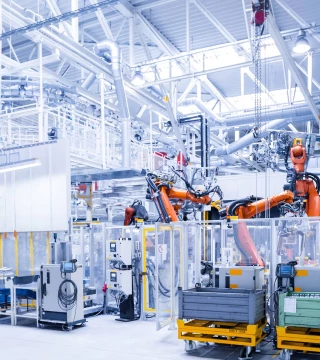
Output rises as workers are added until machine capacity limits productivity.
More labor raises crop yield up to a point on fixed land.

Extra workers speed orders initially, but congestion lowers efficiency.

Developers boost output early; coordination reduces gains later.
Marginal product is a basic economic idea showing how much output changes when you add one more unit of input. This concept helps businesses produce more efficiently, keep expenses down, and earn the most money. It's also key to important economic rules like the law of diminishing returns and how factors of production are priced. Knowing about marginal product helps companies and governments wisely distribute resources, hire workers, and make production more effective. Even with its simplified assumptions and drawbacks, marginal product is still a very useful and common tool in economic studies.
1. What is marginal product in economics?
Marginal product is the additional output produced by adding one more unit of an input while keeping other inputs constant.
2. What is the formula for marginal product?
Marginal product = Change in total output ÷ Change in input.
3. What happens when marginal product is zero?
Total product reaches its maximum level.
4. What is the difference between marginal product and average product?
Marginal product measures additional output, while average product measures output per unit of input.
5. Why does marginal product decline?
Due to the law of diminishing marginal returns caused by fixed inputs.
6. What is marginal productivity theory of distribution?
Marginal Productivity Theory of Distribution explains how income is shared among different factors of production like land, labour, capital, and entrepreneurship.
In simple words, each factor is paid according to the extra output (additional value) it adds to production.
For example:
Table of Content:
In the rapidly evolving world of logistics and supply chain solutions, businesses are searching for flexible, efficient, and cost-effective ways to store and manage inventory. Traditional long-term warehousing is no longer ideal for many small and mid-sized businesses especially those with seasonal demand or fluctuating inventory levels. Enter fractional warehousing a modern, scalable approach to warehouse space management that provides businesses with on-demand access to shared warehouse space, fulfillment services, and 3PL warehouse support without long-term contracts or high upfront costs.
Fractional warehousing refers to the practice of renting warehouse space in small, flexible increments rather than leasing an entire facility or entering costly long-term contracts. It’s a scalable logistics model designed to help businesses particularly e-commerce sellers, startups, and growing enterprises access warehouse storage solutions without the financial burden of traditional warehousing.
As e-commerce grows rapidly in India, companies face unpredictable demand cycles and storage challenges. Fractional warehousing solves these by offering:
1. Cost Efficiency
Renting large warehouses with long-term leases ties up capital. Fractional warehousing allows small and medium businesses (SMBs) to only pay for the space they use, eliminating unnecessary warehousing expenses.
2. Flexibility & Scalability
Businesses can scale storage up or down based on demand ideal for peak seasons, promotional sales, or product launches.
3. Faster Order Fulfillment
Multiple storage locations close to customers reduce delivery time boosting customer satisfaction and retention.
4. Professional Logistics Support
Most fractional warehousing providers include operational support such asinventory management, picking, packing, and returns turning warehousing into a full supply chain solution rather than merely storage.
5. Reduced Risk
Shared warehouse environments distribute risk, ensuring inventory is stored safely with advanced security, technology, and operational policies.
Choose a provider offering fractional warehousing and 3PL warehouse support.
Specify how much space you require and estimate your storage duration.
Ship inventory to the designated fulfillment center for processing.
Inventory is stored securely and tracked in real time via integrated software.
Orders are picked, packed, and shipped automatically as they arrive.
Returns are processed, inspected, and restocked efficiently.
Fractional warehousing is best suited for businesses that value flexibility, scalability, and cost efficiency. It reduces operational risk, improves delivery performance, and supports growth without the burden of owning or managing warehouse infrastructure.
This list highlights the top logistics companies in India providing fractional warehousing solutions and integrated supply chain services nationwide.
Overview:
Godamwale leads the industry in delivering fractional warehousing, on-demand warehouse space, and smart 3PL fulfillment solutions backed by advanced SaaS technology (Inciflo). With over 140+ million sq. ft. of warehousing space across 120+ locations, Godamwale enables businesses to scale without constraints.
Services:
Achievements:
Ranking Keywords: fractional warehousing India, Godamwale warehouse solutions, smart logistics platform.

Overview: A prominent 4.5PL logistics provider offering flexible distribution, warehousing, and supply chain solutions.
Services: Shared warehousing, freight forwarding, supply chain optimization.
Achievements: Known for modular logistics options and strong presence across urban centers.

Overview: Tech-driven logistics company focusing on supply chain solutions and e-commerce fulfillment.
Services: Shared warehouse space, transportation, last-mile delivery.
Achievements: Strong integration with online marketplaces and digital tracking.

Overview: Part of the Redington Group — blends technology, warehousing, and distribution for quick deliveries.
Services: Scalable warehouse storage, reverse logistics, multi-channel fulfillment.
Achievements: Large network enabling fast same-day and next-day delivery.
Overview: Customer-centric logistics provider offering tailor-made warehousing and transport solutions.
Services: Flexible storage, packing, delivery, supply chain visibility.
Achievements: Strong emphasis on efficiency and automation.

Overview: One of India’s most established logistics brands with wide warehousing and express delivery networks.
Services: Warehousing, distribution, express logistics.
Achievements: Nationwide footprint with high reliability.

Overview: Global logistics leader providing integrated warehousing and distribution.
Services: Shared warehousing solutions, global freight, supply chain management.
Achievements: World-class infrastructure & technology.

Overview: Premium express delivery and logistics operator with extensive network reach.
Services: Warehousing options, expedited delivery, fulfillment.
Achievements: Trusted delivery performance and customer service.

Overview: Integrated logistics provider specializing in multimodal transport and warehouse services.
Services: Shared warehousing, container freight stations, value-added services.
Achievements: Strong global partnerships & end-to-end solutions.

Overview: Cross-border logistics expert with flexible storage and freight handling.
Services: International warehousing, customs clearance, storage.
Achievements: Seamless global logistic integration.
Modern fractional warehousing is no longer just about sharing storage space it’s about using smart technology to improve speed, accuracy, and scalability. At Godamwale, technology plays a central role in delivering efficient, flexible, and cost-effective warehousing solutions for growing businesses. Here’s an overview of the key technology trends shaping fractional warehousing today:
AI-driven demand forecasting helps businesses anticipate inventory needs based on sales patterns, seasonality, and market trends. Godamwale leverages data intelligence to help brands avoid overstocking or stockouts while planning inventory placement more efficiently across locations.
A cloud-based WMS enables real-time inventory tracking, order status visibility, and performance reporting from anywhere. Godamwale’s cloud-enabled systems allow clients to monitor stock levels and fulfillment KPIs seamlessly making fractional warehousing as transparent as owning a dedicated warehouse.
Automation technologies such as conveyor systems and automated sorting reduce manual errors and speed up order processing. Godamwale adopts scalable automation to maintain faster turnaround times while keeping operational costs under control, ensuring consistent service levels even during peak demand.
API-driven integrations connect the warehouse directly with marketplaces, ERP systems, and logistics carriers. Godamwale’s API integrations ensure smooth coordination between storage, fulfillment, and last-mile delivery especially critical for eCommerce and omnichannel brands.
Barcode scanning, RFID, and IoT sensors enhance inventory accuracy and real-time visibility. At Godamwale, mobile scanning and IoT-enabled tracking help maintain high inventory accuracy across shared warehouse spaces, giving clients confidence in their stock data at all times.
Choosing the right fractional warehousing partner is a strategic decision that directly impacts delivery speed, cost efficiency, and customer satisfaction. Businesses today need flexibility, scalability, and technology-driven logistics and this is where Godamwale emerges as a reliable and future-ready solution.
A strong network presence is the foundation of effective fractional warehousing. Godamwale offers access to multiple warehousing locations across key Indian logistics hubs, enabling faster last-mile deliveries, reduced transit times, and optimized inventory placement. This distributed network helps brands serve customers across regions without investing in multiple dedicated warehouses.
Equally important is technology integration. Godamwale provides advanced warehouse management systems (WMS) with real-time inventory tracking, order visibility, and data-driven analytics. This ensures complete transparency, better demand forecasting, and seamless integration with eCommerce platforms and ERP systems crucial for scaling operations efficiently.
Pricing transparency is another critical factor. With Godamwale’s fractional warehousing model, businesses pay only for the space and services they use. Clear pricing per pallet, per SKU, or per order eliminates hidden costs and helps startups, SMEs, and growing enterprises maintain tight control over logistics expenses.
In terms of fulfillment capabilities, Godamwale delivers end-to-end solutions from picking and packing to shipping, returns management, and reverse logistics. This makes it an ideal fractional warehousing partner for D2C brands, B2B companies, and omnichannel retailers looking for speed, accuracy, and consistency in order fulfillment.
Lastly, customer support can make or break a logistics partnership. Godamwale offers proactive support with dedicated teams, quick issue resolution, and continuous operational assistance. Their consultative approach helps businesses optimize inventory, reduce delivery delays, and adapt quickly to market demand.
The logistics landscape in India is rapidly evolving, and fractional warehousing is at the heart of this transformation. It offers the perfect balance of cost efficiency, scalability, and operational excellence especially for e-commerce, retail, and fast-growing SMEs. Whether you're exploring shared warehouse space or looking for a full 3PL warehouse partner, choosing the right provider can make all the difference.
1. What is fractional warehousing?
Ans: A flexible storage model where companies rent only the space they need, for the exact time they need it with pay-per-use pricing and shared facilities.
2. How is fractional different from traditional warehousing?
Ans: Fractional warehousing offers short-term, scalable, and cost-effective storage without long leases unlike fixed, long-term traditional warehousing.
3. Is fractional warehousing suitable for small businesses?
Ans: Yes! It’s ideal for SMEs, startups, and seasonal sellers who want logistics flexibility and lower upfront costs.
4. Can fractional warehousing support e-commerce businesses?
Ans: Absolutely. Most fractional warehouses include integrated e-commerce fulfillment, order syncing, and marketplace integrations.
5. Does fractional warehousing include fulfillment services?
Ans: Yes many fractional warehousing partners provide order picking, packing, labeling, returns processing, and last-mile delivery options.
TABLE OF CONTENT:
While running a business, it is very important to accurately value the inventory for financial reporting, taxation, profitability analysis, and effective decision-making. Businesses depend upon valuation methods. Typically, they use FIFO, LIFO, Weighted Average Cost, and Specific Identification to maximize inventory costs and maintain transparency. This article will guide you and explain each method with easy-to-understand examples, and how partnering with Godamwale is a win-win situation.
At the end of an accounting period, the inventory is valued on the basis of your closing stock and is called Inventory Valuation. This process is very important from a business point of view. It seriously impacts the balance sheet and the profit and loss statement.
Cost of Goods Sold (COGS): It is the total cost of the inventory that a business has sold during a specific period. It includes the purchase cost, production cost, and any direct expenses required to bring the product to a saleable condition. Higher COGS means Lower Profit, and Lower COGS means Higher Profit.
As long as there is market demand for the products it manufactures, a product-based corporation will turn a profit. The business will choose if it is worthwhile to keep producing these goods or to discontinue.
There is one more challenge when it comes to valuing the product. The price of the raw material will fluctuate due to seasonal cycles. This affects the production of the product. The company needs to price these products at such a price that it is cheaper for the consumers to buy and the profit margins are high too.
Since each business enters the market with a view to generating a profit, the pricing of the particular product within a specific segment must survive the competition as well as make a profit after paying off all the taxes and liabilities. As a result, it is important for the company to value the inventory correctly.
Established: 2017
Founders: Ranbir Nandan, Vivek Tiwari, Basant Kumar ,Anand Aryamane
Core Services: On-demand Warehousing, 3PL, Inventory Management, Last-mile Delivery
Godamwale is one of the many third-party logistics companies in India. It offers its in-house platform called Inciflo. This software is ideal for automatic billing. It is also used for last-mile delivery and QR-based dispatch, all in real-time. With the use of this platform, you can not only search for ideal warehouse space that can be rented but also manage businesses without requiring long-term commitments. Godamwale is an ideal partner for FMCG, D2C, manufacturing, and retail brands.

Established: 2011
Founders: Sahil Barua, Mohit Tandon, Bhavesh Manglani, Suraj Saharan, Kapil Bharati
Core Services: Fulfillment, Express Parcel Delivery, Inventory Management, Cross-Border Logistics
Delhivery provides a smart logistics option. Its extensive network of warehouses can be found throughout the nation. It uses technology and AI tools in its service. Its clientele includes e-commerce and enterprise customers.

Established: 2007
Founders: Mahindra Group
Core Services: Contract Logistics, Warehousing, Freight Forwarding, Fulfillment
Larger-scale smart warehousing systems are also provided by Mahindra Logistics. In its services, it makes use of cutting-edge technology and AI solutions. It is ideal for enterprise and industrial brands.
Established: 2007 (India operations)
Founders: Deutsche Post DHL Group
Core Services: Contract Logistics, Supply Chain Automation, Multi-user Warehousing
DHL is a global logistics company. It uses the latest technology and AI-powered tools. It is quite popular to offer its services in retail, healthcare, and automotive companies.
Established: 1993
Founder: Shashi Kiran Shetty
Core Services: CFS, Warehousing, Transportation, Supply Chain Solutions
Allcargo offers warehouse management and solutions across the world. It is known to use the latest tech in their services that they have to offer. Its clientele typically involves established enterprises.

Established: 1993
Founders: Gateway Distriparks (Parent)
Core Services: Cold Chain Warehousing, Temperature-Controlled Logistics, Inventory Management
In India, Snowman is a provider of cold-chain warehousing. It provides logistical support tailored to temperature. It is perfect for managing QSR brands, dairy, pharmaceuticals, and frozen meals.
Established: 1997
Founders: Pawan Jain
Core Services: Warehousing, Express Logistics, Supply Chain Solutions
Safexpress provides an extensive nationwide network of warehouses and logistics parks. It also offers quick distribution and reliable inventory operations. It has a list of diverse industrial clients.

Established: 2004 (part of TVS Group)
Core Services: End-to-End Supply-Chain Consulting, Warehousing, Logistics & Distribution, Inventory Forecasting
TVS SCS offers complete supply-chain management solutions. It has a vast network of automated warehouses. It is ideal for big enterprises.

Established: 2016
Founder: Ajay Rao
Core Services: Warehousing, Fulfillment, Distribution, Inventory Control
Emiza offers smart and flexible warehouse options. It is perfect for mid-sized brands and SMEs. High inventory accuracy and optimized operational operations are its goals.

Established: 2014
Founders: Deepak Garg, Gazal Kalra (and founding team)
Core Services: Supply-Chain Logistics, Warehousing, Express Freight, Multi-modal Transport, Fulfilment
Rivigo is a supply-chain logistics company. It has a huge fleet of transportation. It offers its services to those enterprises that require high-volume or long-distance logistics operations.
| Company | Why Choose | Why Not |
| Godamwale | On-demand warehousing, tech-driven WMS, pay-per-use, nationwide reach | Limited global operations |
| Delhivery | Strong fulfillment network, robust tech stack | Service reliability varies in remote locations |
| Mahindra Logistics | Enterprise-grade warehousing & stability | Higher cost for SMEs |
| DHL Supply Chain | World-class automation & global expertise | Premium pricing |
| Allcargo Logistics | Best for large-scale storage & CFS | Not suitable for small/mid-size brands |
| Snowman Logistics | Leading cold-chain storage provider | Limited to temperature-controlled services |
| Safexpress | Pan-India coverage & reliable operations | Lesser automation than global players |
| TVS Supply Chain Solutions | End-to-end SCM, forecasting, enterprise-grade solutions | Too sophisticated (and costly) for small brands |
| Emiza | Cost-effective & accurate | Smaller national footprint |
| Rivigo | Great for long-haul + warehousing + express freight | Transport-focused; warehouse network not as extensive |
There are several reasons to choose Godamwale, a third-party warehouse management and logistics solution company, as your business partner. They are as follows:
Inventory valuation is an important process since the entire profit potential of a business depends on it. It makes no sense to overstock or understock inventories with goods. You, as a business head, will lose all the money gained by the sales of these goods, only to maintain the unnecessary overheads. You need a professional taking care of your logistics support.
Q.1) Which valuation method gives the highest profit?
It has been observed that FIFO generally provides the highest profit among all the valuation methods.
Q.2) Can I change my valuation method mid-year?
Unfortunately, you cannot. You need to complete the financial year before you think of switching over. The reason is that while switching from one valuation method to another, the entire process involves many complicated factors.
Q.3) Is LIFO allowed in India?
No. As per Indian GAAP and IFRS, this method of valuation is not permitted.
Q.4) Does valuation impact GST filings?
Yes. Any errors in the valuation of the goods can have a negative impact when you file your GST.
Q.5) Is WAC ideal for e-commerce?
Yes. Due to high volumes of inbound and outbound goods, this method is ideal for such businesses.
The entire viewpoint of business has changed in recent years. Businesses are more focused on delivering their goods as quickly as possible. As per statistics, the e-commerce growth in India will reach more than USD 11.48 billion. As a result, more stress is placed on the Parcel Management System, and this article will demonstrate how Godamwale fulfills this role.
The Parcel Management System, or PMS, is a software and operational ecosystem that allows the third-party logistics company to make sure that all activities, from receiving at the warehouse to dispatching to the customer's doorstep, are accurate and error-free.
The PMS is an important feature — below are the main benefits and functions to expect from a professional warehouse/fulfilment PMS.
Ensure inventories are accurately tracked across warehouses so stock levels stay optimal — not overstocked or understocked. Get real-time visibility of on-hand quantities and locations.
Centralise incoming orders, automate picking & packing, and dispatch by cost, speed or region. Automation reduces manual errors and speeds fulfilment.
Full transparency from receipt to dispatch — monitor movement, delivery status and delays in real time with alerts and actionable dashboards.
Replace multiple vendor bills with a single, clear invoice covering storage, add-ons, transport and courier charges for faster, simpler payments.
A central command view to monitor inventory, orders, deliveries, returns and courier performance — enabling real-time adjustments and decisions.
Combine automation and AI across sales, warehousing and logistics to simplify workflows, reduce manual tasks and improve accuracy.
Integration complexity: Combining the system with various channels in your business can be challenging. It requires technical alignment, custom mapping, and stable data flow to allow for smooth order syncing, tracking updates, and automated workflows without disruptions.
Upfront cost vs ROI: Initially, you will find that it is expensive to set up this system. But ROI can justify this cost. Once the system is in place, errors are reduced, you can expect faster fulfillment, allows for lower labor costs, and allows for a greater degree of over all transparency. Thus, from a long-term perspective, it is better and cost-effective.
Data security & access control: The system requires good security. Such measures help prevent hacking of sensitive information.
Flexibility of contract: It is wise to look out for those companies that offer on-demand, flexible, and pay-as-you-store inventory space for short-term or long-term lease. Thus, it is important to find a company that does not stick to hard-binding commitments.
Support and SLA from the provider: The service provider must make sure of minimal downtime, quick issue resolution, and consistent system performance.
Scalability: The service provider must allow for a smooth scaling in storage space and also ensure the expansion of a new market in a new location as per your business needs.
Established: 2017
Founders: Ranbir Nandan, Vivek Tiwari, Anand Aryamane
Core Services: On-demand Warehousing, 3PL, Inventory Management, Last-mile Delivery
Godamwale is one of the fastest-growing logistics and warehouse management companies in India. It offers a complete packaging and delivery system solution that is focused on technology and adaptability. Its internal platform, Inciflo, offers real-time visibility, QR code-based dispatch, automated manufacturing, and end-to-end tracking. For D2C, FMCG, manufacturing, and distribution brands, Godamwale is a transparent and eco-friendly partner since businesses can discover, explore, and manage these places without long-term commitment.
Established: 2011
Founders: Sahil Barua, Mohit Tandon, Bhavesh Manglani, Kapil Bharati, Suraj Saharan
Core Services: Express Parcel, Warehousing, Freight, Supply Chain Services
Delhivery is a warehouse management and logistics support company in India. It has combined technology in its operations. It has a strong network across the country. It is ideal for big businesses.

Established: 2015
Founders: Amitava Saha, Supam Maheshwari
Core Services: Express Logistics, Reverse Logistics, Warehousing, Cross-border Services
Scalable logistics operations and quick package delivery are Xpressbees' areas of strength. It allows for the entire smooth parcel movement. They have huge nationwide network of strong and automated hubs.
Established: 2000
Founders: Mahindra Group
Core Services: 3PL, Warehouse Management, Transportation, Fulfillment
Strong WMS and TMS platforms help Mahindra Logistics' enterprise-grade parcel and supply chain solutions. Their multi-modal transportation and tech-enabled warehouses make them an excellent option for the consumer, FMCG, and automotive industries.
Established: 1995
Founders: TVS Group
Core Services: Contract Logistics, Warehousing, Transportation, Freight Management
TVS SCS offers modern logistical solutions to businesses of all sizes. They also offer parcel and logistical services across the globe. They offer their scalable distribution systems, operational skills, and dependability.
Established: 1989
Founders: Gati Limited, now part of Allcargo Group
Core Services: Express Distribution, Warehousing, Supply Chain Management
Allcargo Gati is a leading express logistics provider. They offer last-mile delivery with the use of digital tracking. They have automated hubs that are spread across the country.
Established: 1997
Founders: Pawan Jain
Core Services: Express Logistics, 3PL, Warehousing, Surface Transport
One of its biggest delivery networks in India is owned by Safexpress. Strong hub-and-spoke operations, GPS-enabled trucks, and temperature-controlled logistics when needed complement their parcel handling.
Established: 2007 (India operations)
Founders: Deutsche Post DHL Group
Core Services: Contract Logistics, Warehousing, Distribution, Parcel Management
DHL Supply Chain offers global-standard parcel management with automation, robotics, RFID tracking, and deep supply chain visibility. Ideal for multinational and enterprise customers.

Established: 2012
Founders: T. A. Krishnan, K. Satyanarayana, Manju Dhawan, Late Sanjeev Saxena
Core Services: Parcel Delivery, Reverse Logistics, Warehousing
Ecom Express is an expert in e-commerce package transportation that has a huge network and excellent delivery accuracy. They excel in industries that rely heavily on returns and COD.

Established: 2015
Founders: Abhishek Bansal, Vaibhav Khandelwal
Core Services: Hyperlocal Delivery, Last-Mile, Micro-Fulfillment
Shadowfax offers parcel distribution and micro-fulfillment services, particularly for grocery, food, and online retailers. Real-time parcel routing and rider allocation are automated by its technologically advanced platform.
| Company | Why Choose? | Why Not |
| Godamwale | Tech-driven platform (Inciflo), on-demand warehousing, real-time visibility, flexible contracts, strong parcel management workflows. | Limited global presence compared to multinational 3PLs. |
| Delhivery | Largest parcel network in India, automated hubs, strong tracking, reliable e-commerce expertise. | Can be costlier for small-volume or early-stage businesses. |
| Xpressbees | Fast parcel delivery, strong return logistics, scalable for e-commerce brands. | Limited enterprise-focused solutions compared to bigger 3PLs. |
| Mahindra Logistics | Enterprise-grade 3PL, nationwide warehousing, strong compliance and process quality. | May not be ideal for small brands due to higher pricing. |
| TVS Supply Chain Solutions | Global capabilities, strong automation, multi-industry expertise. | Processes may feel complex for small and mid-sized companies. |
| Allcargo Gati | Pan-India express distribution, strong surface transport, reliable parcel movement. | Tech adoption slower than new-age logistics players. |
| Safexpress | Huge delivery network, reliable surface transport, strong B2B logistics. | Limited advanced automation compared to digital-first 3PLs. |
| DHL Supply Chain | Global network, high-end automation, excellent compliance and reliability. | Premium pricing; not suitable for cost-sensitive operations. |
| Ecom Express | Strong in e-commerce parcel handling, extensive PIN-code coverage, robust COD handling. | Less focused on large-scale warehousing operations. |
| Shadowfax | Hyperlocal delivery strength, fast city-level distribution, great for food/grocery. | Not ideal for heavy B2B or large warehouse-based operations. |
Godamwale is a third-party logistics company that has a strong network of warehouses and fulfillment centers spread across the country. It has been actively aligning with the government guidelines. It offers smart solutions that are suitable for the current market conditions.
It has an in-house state-of-the-art software called Inciflo. This software allows total transparency from the time the product reaches the warehouse for storing and is dispatched to the intended customer based on order fulfillment.
Choosing Godamwale as the Parcel Management System is the best choice, as you can be sure that you will never go wrong.
The PMS has yet to show its full potential. The rate of Return-to-Origin for Indian e-commerce for 2025 was 20-26%. However, there are several companies that are in the process of combining automation and AI-driven software to reduce this.
With the help of these techs, they provide total transparency for you, as a business head, to monitor the entire operation. With real-time tracking, you can be sure that your products reach their destination within the given time frame. You can track the parcel in real-time with the help of IoT & RFID Tracking.
You can not only track your inventories from the time they reach a warehouse till the time they are dispatched after order fulfillment, but you can also view the total number of products that are being stored in the warehouse.
By combining blockchain technology within the entire process, the process is transparent and cannot be manipulated. Thus, you can be sure that the parcel has reached its intended destination, and this data cannot be manipulated.
In recent years, the government has taken positive initiatives to reduce its carbon footprint. With so many incentives, these warehouse and logistics offering companies are in the process of relying on green and sustainable energy rather than depending upon traditional energy.
The Parcel Management System, or PMS, is no longer an add-on feature but a necessity in these modern times. It has several benefits; it not only improves the transparency in an operation by reducing cost but also improves customer satisfaction and allows you to scale your business as per your business requirements. Thus, partnering with the correct third-party logistics solutions offering company is important.
Q.1) Is PMS only for big companies?
No, regardless of the scale of a business operation, several third-party logistics companies offer these services to start-ups or emerging brands.
Q.2) Can I integrate PMS with my current inventory system?
Yes. Most PMS can be combined with your existing operations and software.
Q.3How much does it cost?
It can be expensive while setting it up. But the cost is justified, as you are not looking for a short-term operation. In the long term, this cost will be very cheap.
Q.4) How secure is my data?
Most of the leading third-party logistics companies invest heavily in security measures. Thus, it is difficult to breach this security to access sensitive data.
Q.5) Can PMS handle returns / reverse logistics?
Yes. Modern PMS are created in such a way that they allow for a greater degree of transparency. As a result, you can even track returns or reverse logistics in real time.
Pharmaceutical warehousing plays an important role in India. These storage facilities are made to store pharmaceuticals and healthcare products with integrity and safety. These products are sensitivity to temperature, humidity, and contamination. As a result, they must be handled and stored. As a result, these facilities follow strict WHO-GMP (World Health Organization – Good Manufacturing Practices) requirements. This article will shed a light on what pharmaceutical warehousing is and why Godamwale is the perfect partner.
WHO-GMP stands for the World Health Organization's Good Manufacturing Practices. These guidelines are followed by every country. They are closely followed when handling, manufacturing, and storing pharmaceutical products. They thereby help maintain the preservation of pharmaceutical product quality.
The Central Drugs Standard Control Organization (CDSCO) and State Drug Authorities are responsible for implementing GMP compliance in India, as per Schedule M of the Drugs and Cosmetics Act.
WHO-GMP-certified warehouses are ideal for handling pharmaceutical products since they meet strict standards for storage, record-keeping, and cleanliness.
WHO-GMP compliant warehouses special facilities. They have to stick to various operational and infrastructure requirements with the aim to preserve drug quality and traceability:
Infrastructure and Facility Design:
It must have sufficient ventilation, be free of any pests and make sure that the building materials used do not have any contamination. Depending on their different drug categories, they should also be separated into different areas.
Temperature and Humidity Control:
Special sensors help to regulate and monitored to maintain ideal temperature. This is important while storing and transporting vaccines and injectables.
Cleanliness and Hygiene:
The entire facility must be regularly sanitated along with pest control programs. The staff involved must also follow strict hygiene protocols.
Documentation and Traceability:
From the time the pharmaceutical product arrives till the time it is dispatched, it should be properly labelled, tracked, and documented so as to maintain complete visibility and recall readiness.
Established: 2016
Founder: Anand Aryamane, Basant Kumar, Ranbir Nandan, Vivek Tiwari
Core Services: WHO-GMP Warehousing, Temperature-Controlled Storage, On-Demand Warehousing, Pharma Distribution, 3PL Fulfillment
Godamwale is being recognized as one of India’s most trusted and reliable providers of pharma-compliant warehousing, offering facilities that strictly follow WHO-GMP, GDP, and ISO standards. They offer platform allows pharmaceutical manufacturers, importers, and distributors to quickly search and secure space of inventory management and cold chain supply from certified warehouses across the country.
With 24/7 temperature monitoring, advanced IoT systems, humidity control, and strict SOP-based operations, Godamwale makes certain that all pharmaceutical products are stored as per the stated guidelines. They combine all their services with in-house software, Inciflo which provides complete visibility, batch traceability, digital documentation, and audit readiness.
Godamwale has its logistics network spread across India. As a result, it is easy for pharma companies to scale operations quickly and safely. The company supports both small distributors and large pharmaceutical brands.
Established: 2011
Founder: Sahil Barua, Mohit Tandon, Bhavesh Manglani, Kapil Bharati, Suraj Saharan
Core Services: Pharma Warehousing, Express Logistics, E-commerce Fulfillment, Cold Chain Solutions
Delhivery offers its pharmaceutical-grade storage with temperature-controlled facilities and that follows strong regulatory compliance. They have a vast nationwide network and with automated fulfillment centers that allows rapid movement of high-value healthcare products.
For pharma companies who are in the process of expanding their operations, Delhivery’s cold chain logistics and real-time tracking systems make it a dependable partner.

Established: 2012
Founder: Gaurav Jain
Core Services: Cold Storage, Pharma Warehousing, End-to-End Cold Chain Logistics
Coldman focuses in temperature-controlled settings that are perfect for injectables, biologics, vaccines, and other delicate pharmaceuticals. They are well-known for keeping warehouses within exact temperature limits. Backup systems and round-the-clock surveillance support these facilities. Coldman has a reputation for upholding stringent GDP and WHO-GMP compliance requirements.
Established: 1997
Founder: (Public Company – Not Applicable)
Core Services: Pharma Cold Storage, Bulk Drug Storage, Frozen & Chilled Warehousing
One of the top providers of organised cold chain logistics in India is Snowman. They provide outstanding refrigerated pharmaceutical storage facilities. They operate all around India using technology. This makes them appropriate for businesses that deal with biotech products and vaccinations that need stable cold chain settings.
Established: (Global – India Operations Since 2007)
Founder: Adrian Dalsey, Larry Hillblom, Robert Lynn (Global Founders)
Core Services: Temperature-Controlled Warehousing, Life Sciences Logistics, Compliance Management
DHL offers outstanding pharmaceutical distribution and storage services, supported by standard international operational procedures and verified processes. Their facilities strictly adhere to international quality standards, GPD, and WHO GMP. DHL guarantees total transparency and traceability by using digital documentation and automated technologies into its operations.
Established: 2007
Founder: Mahindra Group
Core Services: Pharma Warehousing, Distribution, Transportation, Contract Logistics
Mahindra Logistics runs an extensive chain of pharmaceutical-ready warehouses with climate control, stringent hygienic standards, and verified storage practices. For continuous mobility and temperature control, they combine transportation and warehousing in addition to a designated warehouse.

Established: 2010 (Subsidiary of Transport Corporation of India)
Founder: TCI Group
Core Services: Pharma Cold Chain, Controlled Temperature Warehousing, Reefer Transport
TCI guarantees pharmaceutical-grade cold chain storage with specific temperature zones (2–8°C, 15–25°C). Their facilities are perfect for storing vaccines and formulations since they follow strict guidelines. Their strong fleet of reefers guarantees safe distribution across India.

Established: 1999
Founder: Om Group
Core Services: Pharma Warehousing, Distribution, Compliance-Ready Storage
Om Logistics has a long record of offering pharmaceutical-compliant warehousing solutions for bulk pharmaceuticals, formulations, and healthcare supplies. Their controlled settings, comprehensive documentation, and real-time monitoring systems guarantee pharmaceutical storage regulatory compliance.

Established: 2016
Founder: Anshuman Singh
Core Services: Automated Warehousing, Pharma Fulfillment, Temperature-Controlled Storage
Stellar's modernized warehouses have strict temperature control, RFID-based tracking, and highly sophisticated automation. They offer quick order processing and excellent storage facilities to pharmaceutical companies.
Established: 2007
Founder: Everstone Group & Realterm
Core Services: Grade-A Warehousing, Pharma-Ready Storage, Built-to-Suit Facilities
Temperature-controlled zones, insulated roofing, and HACCP-compliant layouts are just a few of the infrastructure features that IndoSpace offers Grade-A warehouses specifically designed for the pharmaceutical sector. Many pharmaceutical businesses and 3PLs use IndoSpace facilities for verified distribution and storage.
| Company | Why Choose? | Why Not |
|---|---|---|
| Godamwale Trading & Logistics Pvt. Ltd. | WHO-GMP Warehousing, Temperature-Controlled Storage, On-Demand Warehousing, Pharma Distribution, 3PL. | WHO-GMP certified spaces, IoT-based monitoring, humidity control, digital traceability, SOP-driven operations. |
| Delhivery Limited | Pharma Warehousing, Express Logistics, Cold Chain Solutions. | Automated fulfillment centers, temperature-controlled storage, strong nationwide network. |
| Coldman Logistics Pvt. Ltd. | Cold Storage, Pharma Warehousing, Cold Chain Logistics. | Strict temperature mapping, WHO-GMP/GDP aligned cold storage, 24/7 monitoring. |
| Snowman Logistics Ltd. | Pharma Cold Storage, Frozen & Chilled Storage. | National leader in cold chain, advanced refrigeration systems, biotech-ready storage. |
| DHL Supply Chain India | Temperature-Controlled Warehousing, Life Sciences Logistics. | Global SOPs, validated processes, WHO-GMP/GDP compliance, strong automation. |
| Mahindra Logistics (MLL). | Pharma Warehousing, Contract Logistics. | Climate-controlled storage, validated SOPs, integrated transport + warehousing. |
| TCI Cold Chain Solutions | Pharma Cold Chain, Controlled Temperature Warehousing. | Dedicated 2–8°C & 15–25°C zones, strong reefer fleet, strict documentation. |
| Om Logistics Ltd. | Pharma Warehousing, Distribution. | Controlled environments, real-time monitoring, compliance-ready storage. |
| Stellar Value Chain Solutions | Automated Warehousing, Pharma Fulfillment. | RFID-enabled operations, automated handling, temperature-controlled zones. |
| IndoSpace Logistics Parks | Grade-A Warehousing, Built-to-Suit Pharma Facilities. | Insulated structures, pharma-compliant layouts, scalable infrastructure. |
It is important to follow the guidelines that are laid down by WHO-GMP. Through these guidelines, one can expect smooth operations and minimal product wastage:
Efficient Inventory Management: FIFO (First In, First Out) and FEFO (First Expiry, First Out) methods are used as help in the prevention expiry losses.
Cold Chain Management: It is important to record the cold chain data for real-time tracking in as well as maintaining temperature control in the required zones.
Staff Training: All the employees handling and maintaining pharmaceutical products must be well trained. They must follow standard operating procedures or SPOs, and all handling procedure even in the event of an emergency.
Digital Monitoring and IoT Solutions: With the help of IoT sensors and automated alerts, you can observe the entire operations in real-time.
Although the warehouse for pharmaceutical products may use state-of-the-art technology, it still faces various challenges such as:
Pharmaceutical warehousing is driven with the help of technology and sustainability. As the technology is advancing, it is guiding these storage facilities through:
Godamwale is a third-party logistics and warehousing company that has an excellent network across the country. It has its warehouse follow WHO-GMP compliant best practices. It also has cold chain storage facilities, vehicles, and containers at its disposal, which can be tracked in real time with the help of in-house software called Inciflo.
Pharmaceutical warehousing is very different from the rest of the warehousing facilities. Since these facilities store life-saving pharma products, any contamination can have a serious consequence. Thus, these facilities are required to follow strict guidelines. As a result, these warehouses are special storage facilities.
Pharmaceutical warehousing in India has changed quickly in recent years. Automation, traceability, and environmental responsibility have thus received greater importance.
Redefine Your Supply Chain
Q.1) How does temperature control affect drug quality?
Some active ingredient used in a drug are temperature- sensitive. Any fluctuations on the temperate reduces drug potency and safety. This is true for biologics and vaccines.
Q.2) What role does technology play in WHO-GMP warehousing?
IoT sensors, data loggers, and real-time dashboards are used to track temperature, humidity, and inventory to make sure that they follow as per the guidelines stated.
Q.3) What is a cold chain warehouse in pharma storage?
Cold chain warehouse is a temperature-controlled facility. They are used for storing perishable drugs, vaccines, and biosimilars. They follow strict WHO-GMP guidelines.
Q.4) Can small or mid-size pharma distributors access WHO-GMP warehouses?
Yes, companies like Godamwale, even smaller distributors can rent flexible, compliant warehousing spaces as per their needs.
Q.5) Why should pharma brands partner with Godamwale?
Godamwale is WHO-GMP certified, temperature-controlled, tech-enabled warehouses across India. Thus, helping brands stay compliant, efficient, and audit-ready.
