
Real-time Inventory Management
Ensure inventories are accurately tracked across warehouses so stock levels stay optimal — not overstocked or understocked. Get real-time visibility of on-hand quantities and locations.
Table of Content:
The Export Promotion Capital Goods (EPCG) Scheme is a flagship export incentive programme of the Government of India designed to promote exports and technology upgradation by reducing the cost of acquiring modern machinery and capital equipment. It is administered under the Foreign Trade Policy (FTP) by the Directorate General of Foreign Trade (DGFT) and coordinated with customs authorities.
At its core, the EPCG Scheme allows eligible Indian exporters to import capital goods which include machinery, equipment, tools, fixtures, and software either duty-free or at concessional customs duty, provided the exporter fulfills a stipulated export obligation over a specified period.
The primary objective is two-fold:
Under the Export Promotion Capital Goods (EPCG) Scheme, capital goods refer to assets that are essential for producing goods or services meant for export. The scheme allows eligible exporters to import these capital goods at zero or concessional customs duty, provided they meet prescribed export obligations.
Capital goods under EPCG are broadly defined to cover the entire value chain of manufacturing and service delivery from preparation to final output ensuring exporters can upgrade technology and improve competitiveness in global markets.
1. Machinery and Equipment
This includes all machinery and equipment required at pre-production, production, and post-production stages.
These assets help enhance efficiency, quality, and scale of export-oriented operations.
2. Computer Systems and Software
Computer systems and software are treated as capital goods when they are integral to the functioning of imported machinery or production processes.
This includes:
Such inclusions recognize the growing role of digitalization and automation in modern manufacturing and services.
3. Spares, Dies, Moulds, Jigs, Fixtures, and Tools
To ensure uninterrupted production, the EPCG Scheme also covers:
These items are critical for maintaining quality standards and minimizing downtime in export-focused units.
4. Catalysts
Catalysts used in manufacturing processes are eligible as capital goods under EPCG for:
This is particularly relevant for chemical, pharmaceutical, and process industries where catalysts play a vital role in production efficiency and output quality.
5. Capital Goods for Approved Project Imports
Capital goods imported under approved project imports are also covered. These typically relate to large-scale or specialized projects sanctioned by the appropriate authorities, ensuring that exporters executing such projects can benefit from EPCG concessions.
The Export Promotion Capital Goods (EPCG) Scheme is a flagship initiative of the Government of India under the Foreign Trade Policy (FTP). The scheme is designed to support exporters by allowing them to import capital goods at zero or concessional customs duty, provided they fulfill specific export obligations. By reducing the cost of capital investment, the EPCG Scheme aims to enhance India’s export competitiveness and promote technological upgradation across industries.
One of the most significant features of the EPCG Scheme is the exemption from basic customs duty on the import of capital goods. In some cases, imports may also be permitted at a reduced duty rate. This benefit helps exporters lower their initial investment costs when setting up or expanding production facilities.
The scheme covers a broad range of capital goods, including:
Importers availing EPCG benefits must fulfill an export obligation, which is typically six times the duty saved on the imported capital goods. This export obligation must be completed within a specified time frame, usually six years, ensuring that the scheme directly contributes to increased exports.
The EPCG Scheme is sector-neutral, making it accessible to exporters from various industries such as:
Both merchant exporters and manufacturer exporters are eligible under the scheme.
In addition to imports, the EPCG Scheme also supports procurement of capital goods from domestic manufacturers, encouraging local production while still offering similar duty-saving benefits.
By enabling access to advanced machinery and technology at reduced cost, the EPCG Scheme promotes:
The scheme allows flexibility in fulfilling export obligations through:
This flexibility helps businesses align export commitments with market demand.
In certain cases, EPCG authorizations may allow transfer of capital goods after completion of export obligations. Additionally, provisions exist for extension of EO periods and relief in genuine hardship cases, subject to approval by authorities.
The EPCG (Export Promotion Capital Goods) Scheme is designed to support Indian exporters by allowing the import of capital goods at concessional or zero customs duty, subject to export obligations. The eligibility criteria are broad, enabling participation across multiple sectors involved in export-led growth.
Businesses that manufacture goods in India and export them directly to international markets.
Exporters who do not manufacture themselves but source goods from supporting manufacturers.
Entities in notified service sectors such as logistics, hospitality, healthcare, IT-enabled services, and other foreign exchange earning services.
Manufacturers supplying goods to merchant exporters under the EPCG framework.
Units providing shared facilities or services to multiple exporters.
The Export Promotion Capital Goods (EPCG) Scheme is a key initiative of the Government of India under the Foreign Trade Policy (FTP), designed to support and promote exports by reducing the capital investment burden on exporters. The scheme allows eligible businesses to import capital goods at zero or concessional customs duty, provided they commit to fulfilling a specified export obligation.
The primary objective of the EPCG Scheme is to enhance India’s manufacturing competitiveness, improve product quality, and encourage the adoption of advanced technology for export-oriented production.
Zero or Reduced Customs Duty
Importers can bring in capital goods at 0% customs duty, resulting in significant cost savings. This makes it easier for exporters to invest in modern machinery and equipment.
Improved Cash Flow and Lower Capital Costs
By reducing upfront duty payments, businesses can allocate funds toward operations, expansion, and working capital rather than heavy capital expenditure.
Access to Advanced Technology
The scheme enables exporters to import state-of-the-art machinery, improving production efficiency, consistency, and product quality to meet global standards.
Boost to Export Competitiveness
Lower production costs and better technology allow Indian exporters to offer competitive pricing in international markets, strengthening their global presence.
Wide Coverage of Capital Goods
EPCG covers a broad range of capital goods, including:
Support for Multiple Sectors
The scheme benefits various industries such as manufacturing, engineering, textiles, pharmaceuticals, food processing, logistics, and service exports, making it inclusive across sectors.
Long Export Obligation Period
Export obligations are generally spread over 6 years, allowing businesses sufficient time to plan, scale operations, and meet export targets without excessive pressure.
Encourages Capacity Expansion
With lower import costs, companies can expand production capacity, modernize facilities, and increase overall export volumes.
Typical documents for EPCG application include:
One effective policy tool that helps Indian exporters lower capital investment costs, modernize operations, and compete internationally is the Export Promotion Capital Goods (EPCG) Scheme. EPCG promotes technology adoption, industrial growth, and export expansion by permitting duty-free or concessional imports of capital goods in exchange for meeting export obligations. While it demands diligent planning and compliance, its benefits from lowered costs to enhanced competitiveness make it highly relevant for manufacturers, merchant exporters and service providers aiming for global markets.
1. What is the EPCG Scheme in India?
The Export Promotion Capital Goods (EPCG) Scheme is an export incentive program under India’s Foreign Trade Policy that allows exporters to import capital goods at zero or concessional customs duty, subject to fulfilling a specified export obligation within a fixed time period.
2. Who is eligible for the EPCG Scheme?
The EPCG Scheme is available to:
Applicants must have a valid Importer Exporter Code (IEC) and comply with DGFT regulations.
3. What types of capital goods can be imported under EPCG?
Under the EPCG Scheme, exporters can import:
4. What is export obligation under the EPCG Scheme?
Export obligation refers to the commitment made by the exporter to export goods or services worth six times the duty saved on imported capital goods. This obligation must generally be fulfilled within six years from the date of EPCG authorization.
5. Is the EPCG Scheme available at zero duty?
Yes, the EPCG Scheme allows import of capital goods at zero customs duty. In some cases, concessional duty (such as 3%) may apply depending on the Foreign Trade Policy provisions and type of authorization.
6. What is marginal productivity theory of distribution?
Marginal Productivity Theory of Distribution explains how income is shared among different factors of production like land, labour, capital, and entrepreneurship.
In simple words, each factor is paid according to the extra output (additional value) it adds to production.
For example:
A machine earns interest based on how much it increases production.
A worker is paid wages based on how much extra goods or services their work produces.
Table of Content:
In economics, knowing how much output comes from inputs is essential for looking at how well things are produced, controlling costs, and making choices. Marginal Product (MP) is a key idea for measuring this connection. It helps economists, business owners, and managers see how changing the amount of inputs affects the total amount produced. MP is very important in theories about production, studies of labor, and planning operations.
This paper will fully examine marginal product, covering what it is, how to calculate it, its underlying conditions, different phases, examples from the real world, how it connects to other production ideas, and its significance in business and economics.
Marginal Product (MP) is the extra amount created when you add just one more unit of an input, while holding all other inputs steady. Typically, when people talk about marginal product in economics, they're referring to the Marginal Product of Labor (MPL), which is about adding more workers. But this idea also applies to other production factors like money, property, and basic supplies.
In simple terms, marginal product answers the question:
How much extra output do we get by adding one more unit of input?
-->For example, if hiring one additional worker increases total production from 100 units to 110 units, the marginal product of labor is 10 units.
The general formula for Marginal Product (MP) measures the additional output produced by a change in the quantity of input used.
Marginal Product (MP) =
ΔTP ÷ ΔInput
Where:
Example:
If total output increases from 200 units to 240 units after employing one additional worker:
MP = (240 − 200) ÷ 1 = 40 units
This means the marginal product of that worker is 40 units.
The idea of marginal product, which shows how much extra is made when one more adjustable input is used, relies on a few main economic beliefs. These beliefs allow economists to study how things are made in a simple and controlled way, especially in the short term. Knowing these beliefs is important to properly understand what marginal product is and why it acts the way it does.
Marginal product is primarily a short-run concept, where at least one factor of production (such as land, machinery, or factory size) is fixed. Only one input usually labor is varied. This assumption allows economists to observe how changes in a single input affect output while other production conditions remain unchanged.
It is assumed that all units of the variable input are identical in quality and efficiency. For example, each worker added to production is assumed to have the same skill level and productivity. This ensures that any change in output is due to the number of inputs used, not differences in their quality.
When technology is considered constant, it means that the ways things are made, the tools used, and the processes followed do not change during the study. This helps to see only how a changing input affects the final product, without any confusion from new inventions or better methods.
Marginal product analysis assumes that inputs are initially used efficiently, meaning resources are optimally combined. At lower levels of input usage, better utilization of fixed factors may lead to increasing marginal returns before diminishing returns set in.
To correctly determine the additional output from one more unit of input, you must alter just one input at a time, keeping all other inputs unchanged. This assumption, that everything else stays the same, is essential for figuring out exactly how much the changed input adds to the total production.
The Marginal Product of Labor measures the increase in output resulting from hiring one additional worker, while keeping other inputs constant.
Example:
MPL of the third worker = 130 − 100 = 30 units
MPL helps firms decide:
Marginal Product (MP) is the extra amount of goods made when you add one more of a specific resource, assuming all other resources stay the same. This is a very important idea in the study of how things are made, as it helps companies, experts, and government officials see how changing the resources used affects the total amount produced. The idea of marginal product is key for making choices about production, pay, expenses, and the economy's growth over time.
Marginal product illustrates how the overall amount produced changes when one more unit of workers, machinery, or other resources is introduced into making something. At first, marginal product generally rises because resources are used more effectively and workers can focus on specific tasks. But eventually, it begins to fall due to too many resources in one place or a shortage of constant resources, which is known as the law of diminishing returns. This understanding assists businesses in figuring out the perfect amount of resources to use to get the most out of what they make without being wasteful.
In the field of economics, how much people earn is directly connected to how much extra value their work adds. The idea that pay is based on marginal productivity suggests that what employees get paid reflects the additional worth they bring to their company. If the extra value a worker creates is significant, businesses are prepared to offer better salaries. This connection helps us understand why pay varies between different businesses, levels of expertise, and locations. It also helps companies figure out how many employees to take on at a certain pay level.
The amount produced by adding one more unit is directly linked to how much it costs to make things. If you produce more with each extra unit, the cost of making one more item usually goes down. But if you produce less with each extra unit, the cost of making one more item goes up. By looking at how much more they produce with each extra unit, companies can better understand their expenses, manage what they spend on making things, and decide on prices that are competitive.
To earn the most money and avoid waste, it's very important to use resources well. Marginal product assists companies in choosing how to divide their limited resources among various tasks. Businesses can move resources to areas that produce more by looking at the marginal product of different things they use. This makes sure they use the best mix of inputs and boosts how much they produce overall.
Marginal product is a main method for looking at how well things are made and how the economy grows. Over time, better technology, abilities, and resources make each additional unit of input produce more, which results in more goods and services and a growing economy. Government leaders use this analysis to create plans that improve how much is produced, create jobs, and ensure lasting growth.
Marginal product is closely related to Total Product (TP) and Average Product (AP).
| Total Product (TP) | Average Product (AP) | Marginal Product (MP) | Key Relationship |
|---|---|---|---|
| Total product is increasing at an increasing rate | Average product is rising | MP > AP | When marginal product is greater than average product, average product rises |
| Total product is increasing at a decreasing rate | Average product reaches its maximum | MP = AP | When marginal product equals average product, average product is at its maximum |
| Total product continues to increase but at a slower rate | Average product starts falling | MP < AP | When marginal product is less than average product, average product falls |
| Total product reaches its maximum | Average product is declining | MP = 0 | When marginal product becomes zero, total product is at its maximum |
| Total product starts declining | Average product continues to fall | MP < 0 | When marginal product is negative, total product declines |
Increasing marginal product occurs when each additional unit of input contributes more output than the previous unit.
Why it happens:
Example:
When a warehouse hires its first few workers, productivity rises quickly because tasks are divided efficiently one handles inventory, another packing, another dispatch.
Key takeaway:
At this stage, adding more input improves efficiency and lowers per-unit production costs.
Constant marginal product occurs when each additional unit of input adds the same amount of output as previous units.
Why it happens:
Example:
Adding delivery staff in a logistics operation where space, vehicles, and systems are perfectly aligned results in consistent output per worker.
Key takeaway:
Production is stable, and efficiency is maintained, but no further gains are achieved from additional inputs.
Diminishing marginal product occurs when each additional unit of input adds less output than the previous unit.
Why it happens:
Example:
Hiring too many workers in a warehouse with limited space leads to congestion, slowing operations and reducing output per worker.
Key takeaway:
This stage signals inefficiency and rising operational costs.
Negative marginal product occurs when adding an extra unit of input reduces total output.
Why it happens:
Example:
Too many workers in a packing area may create confusion, errors, and delays, reducing overall productivity.
Key takeaway:
At this stage, reducing inputs improves output and efficiency.
One of the most important principles associated with marginal product is the Law of Diminishing Marginal Returns.
As more and more units of a variable input are added to fixed inputs, the marginal product of the variable input will eventually decline.
Initially, adding more workers may increase efficiency due to specialization and better utilization of fixed resources. However, after a certain point, overcrowding, coordination issues, and limited capital reduce productivity.
In a small factory:
Production is commonly divided into three stages based on marginal product behavior:
Marginal product is inversely related to marginal cost (MC).
This inverse relationship exists because:
Marginal product plays a crucial role in managerial and economic decision-making:
Firms hire additional workers as long as:
Value of Marginal Product (VMP) ≥ Wage rate
Marginal product helps allocate resources efficiently across different production processes.
Businesses use MP to:
Profit-maximizing firms compare marginal product with input costs to determine optimal production levels.
Value of Marginal Product (VMP)
The Value of Marginal Product measures the monetary value of the additional output produced by one more unit of input.
VMP = Marginal Product × Price of Output
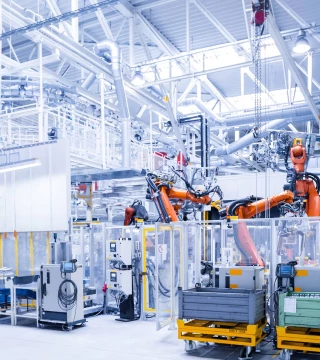
Output rises as workers are added until machine capacity limits productivity.
More labor raises crop yield up to a point on fixed land.

Extra workers speed orders initially, but congestion lowers efficiency.

Developers boost output early; coordination reduces gains later.
Marginal product is a basic economic idea showing how much output changes when you add one more unit of input. This concept helps businesses produce more efficiently, keep expenses down, and earn the most money. It's also key to important economic rules like the law of diminishing returns and how factors of production are priced. Knowing about marginal product helps companies and governments wisely distribute resources, hire workers, and make production more effective. Even with its simplified assumptions and drawbacks, marginal product is still a very useful and common tool in economic studies.
1. What is marginal product in economics?
Marginal product is the additional output produced by adding one more unit of an input while keeping other inputs constant.
2. What is the formula for marginal product?
Marginal product = Change in total output ÷ Change in input.
3. What happens when marginal product is zero?
Total product reaches its maximum level.
4. What is the difference between marginal product and average product?
Marginal product measures additional output, while average product measures output per unit of input.
5. Why does marginal product decline?
Due to the law of diminishing marginal returns caused by fixed inputs.
6. What is marginal productivity theory of distribution?
Marginal Productivity Theory of Distribution explains how income is shared among different factors of production like land, labour, capital, and entrepreneurship.
In simple words, each factor is paid according to the extra output (additional value) it adds to production.
For example:
TABLE OF CONTENT:
While running a business, it is very important to accurately value the inventory for financial reporting, taxation, profitability analysis, and effective decision-making. Businesses depend upon valuation methods. Typically, they use FIFO, LIFO, Weighted Average Cost, and Specific Identification to maximize inventory costs and maintain transparency. This article will guide you and explain each method with easy-to-understand examples, and how partnering with Godamwale is a win-win situation.
At the end of an accounting period, the inventory is valued on the basis of your closing stock and is called Inventory Valuation. This process is very important from a business point of view. It seriously impacts the balance sheet and the profit and loss statement.
Cost of Goods Sold (COGS): It is the total cost of the inventory that a business has sold during a specific period. It includes the purchase cost, production cost, and any direct expenses required to bring the product to a saleable condition. Higher COGS means Lower Profit, and Lower COGS means Higher Profit.
As long as there is market demand for the products it manufactures, a product-based corporation will turn a profit. The business will choose if it is worthwhile to keep producing these goods or to discontinue.
There is one more challenge when it comes to valuing the product. The price of the raw material will fluctuate due to seasonal cycles. This affects the production of the product. The company needs to price these products at such a price that it is cheaper for the consumers to buy and the profit margins are high too.
Since each business enters the market with a view to generating a profit, the pricing of the particular product within a specific segment must survive the competition as well as make a profit after paying off all the taxes and liabilities. As a result, it is important for the company to value the inventory correctly.

Established: 2017
Founders: Ranbir Nandan, Vivek Tiwari, Basant Kumar ,Anand Aryamane
Core Services: On-demand Warehousing, 3PL, Inventory Management, Last-mile Delivery
Godamwale is one of the many third-party logistics companies in India. It offers its in-house platform called Inciflo. This software is ideal for automatic billing. It is also used for last-mile delivery and QR-based dispatch, all in real-time. With the use of this platform, you can not only search for ideal warehouse space that can be rented but also manage businesses without requiring long-term commitments. Godamwale is an ideal partner for FMCG, D2C, manufacturing, and retail brands.

Established: 2011
Founders: Sahil Barua, Mohit Tandon, Bhavesh Manglani, Suraj Saharan, Kapil Bharati
Core Services: Fulfillment, Express Parcel Delivery, Inventory Management, Cross-Border Logistics
Delhivery provides a smart logistics option. Its extensive network of warehouses can be found throughout the nation. It uses technology and AI tools in its service. Its clientele includes e-commerce and enterprise customers.

Established: 2007
Founders: Mahindra Group
Core Services: Contract Logistics, Warehousing, Freight Forwarding, Fulfillment
Larger-scale smart warehousing systems are also provided by Mahindra Logistics. In its services, it makes use of cutting-edge technology and AI solutions. It is ideal for enterprise and industrial brands.

Established: 2007 (India operations)
Founders: Deutsche Post DHL Group
Core Services: Contract Logistics, Supply Chain Automation, Multi-user Warehousing
DHL is a global logistics company. It uses the latest technology and AI-powered tools. It is quite popular to offer its services in retail, healthcare, and automotive companies.

Established: 1993
Founder: Shashi Kiran Shetty
Core Services: CFS, Warehousing, Transportation, Supply Chain Solutions
Allcargo offers warehouse management and solutions across the world. It is known to use the latest tech in their services that they have to offer. Its clientele typically involves established enterprises.

Established: 1993
Founders: Gateway Distriparks (Parent)
Core Services: Cold Chain Warehousing, Temperature-Controlled Logistics, Inventory Management
In India, Snowman is a provider of cold-chain warehousing. It provides logistical support tailored to temperature. It is perfect for managing QSR brands, dairy, pharmaceuticals, and frozen meals.

Established: 1997
Founders: Pawan Jain
Core Services: Warehousing, Express Logistics, Supply Chain Solutions
Safexpress provides an extensive nationwide network of warehouses and logistics parks. It also offers quick distribution and reliable inventory operations. It has a list of diverse industrial clients.

Established: 2004 (part of TVS Group)
Core Services: End-to-End Supply-Chain Consulting, Warehousing, Logistics & Distribution, Inventory Forecasting
TVS SCS offers complete supply-chain management solutions. It has a vast network of automated warehouses. It is ideal for big enterprises.

Established: 2016
Founder: Ajay Rao
Core Services: Warehousing, Fulfillment, Distribution, Inventory Control
Emiza offers smart and flexible warehouse options. It is perfect for mid-sized brands and SMEs. High inventory accuracy and optimized operational operations are its goals.

Established: 2014
Founders: Deepak Garg, Gazal Kalra (and founding team)
Core Services: Supply-Chain Logistics, Warehousing, Express Freight, Multi-modal Transport, Fulfilment
Rivigo is a supply-chain logistics company. It has a huge fleet of transportation. It offers its services to those enterprises that require high-volume or long-distance logistics operations.
| Company | Why Choose | Why Not |
| Godamwale | On-demand warehousing, tech-driven WMS, pay-per-use, nationwide reach | Limited global operations |
| Delhivery | Strong fulfillment network, robust tech stack | Service reliability varies in remote locations |
| Mahindra Logistics | Enterprise-grade warehousing & stability | Higher cost for SMEs |
| DHL Supply Chain | World-class automation & global expertise | Premium pricing |
| Allcargo Logistics | Best for large-scale storage & CFS | Not suitable for small/mid-size brands |
| Snowman Logistics | Leading cold-chain storage provider | Limited to temperature-controlled services |
| Safexpress | Pan-India coverage & reliable operations | Lesser automation than global players |
| TVS Supply Chain Solutions | End-to-end SCM, forecasting, enterprise-grade solutions | Too sophisticated (and costly) for small brands |
| Emiza | Cost-effective & accurate | Smaller national footprint |
| Rivigo | Great for long-haul + warehousing + express freight | Transport-focused; warehouse network not as extensive |
There are several reasons to choose Godamwale, a third-party warehouse management and logistics solution company, as your business partner. They are as follows:
Inventory valuation is an important process since the entire profit potential of a business depends on it. It makes no sense to overstock or understock inventories with goods. You, as a business head, will lose all the money gained by the sales of these goods, only to maintain the unnecessary overheads. You need a professional taking care of your logistics support.
Q.1) Which valuation method gives the highest profit?
It has been observed that FIFO generally provides the highest profit among all the valuation methods.
Q.2) Can I change my valuation method mid-year?
Unfortunately, you cannot. You need to complete the financial year before you think of switching over. The reason is that while switching from one valuation method to another, the entire process involves many complicated factors.
Q.3) Is LIFO allowed in India?
No. As per Indian GAAP and IFRS, this method of valuation is not permitted.
Q.4) Does valuation impact GST filings?
Yes. Any errors in the valuation of the goods can have a negative impact when you file your GST.
Q.5) Is WAC ideal for e-commerce?
Yes. Due to high volumes of inbound and outbound goods, this method is ideal for such businesses.
The entire viewpoint of business has changed in recent years. Businesses are more focused on delivering their goods as quickly as possible. As per statistics, the e-commerce growth in India will reach more than USD 11.48 billion. As a result, more stress is placed on the Parcel Management System, and this article will demonstrate how Godamwale fulfills this role.
The Parcel Management System, or PMS, is a software and operational ecosystem that allows the third-party logistics company to make sure that all activities, from receiving at the warehouse to dispatching to the customer's doorstep, are accurate and error-free.
The PMS is an important feature — below are the main benefits and functions to expect from a professional warehouse/fulfilment PMS.
Ensure inventories are accurately tracked across warehouses so stock levels stay optimal — not overstocked or understocked. Get real-time visibility of on-hand quantities and locations.
Centralise incoming orders, automate picking & packing, and dispatch by cost, speed or region. Automation reduces manual errors and speeds fulfilment.
Full transparency from receipt to dispatch — monitor movement, delivery status and delays in real time with alerts and actionable dashboards.
Replace multiple vendor bills with a single, clear invoice covering storage, add-ons, transport and courier charges for faster, simpler payments.
A central command view to monitor inventory, orders, deliveries, returns and courier performance — enabling real-time adjustments and decisions.
Combine automation and AI across sales, warehousing and logistics to simplify workflows, reduce manual tasks and improve accuracy.
Integration complexity: Combining the system with various channels in your business can be challenging. It requires technical alignment, custom mapping, and stable data flow to allow for smooth order syncing, tracking updates, and automated workflows without disruptions.
Upfront cost vs ROI: Initially, you will find that it is expensive to set up this system. But ROI can justify this cost. Once the system is in place, errors are reduced, you can expect faster fulfillment, allows for lower labor costs, and allows for a greater degree of over all transparency. Thus, from a long-term perspective, it is better and cost-effective.
Data security & access control: The system requires good security. Such measures help prevent hacking of sensitive information.
Flexibility of contract: It is wise to look out for those companies that offer on-demand, flexible, and pay-as-you-store inventory space for short-term or long-term lease. Thus, it is important to find a company that does not stick to hard-binding commitments.
Support and SLA from the provider: The service provider must make sure of minimal downtime, quick issue resolution, and consistent system performance.
Scalability: The service provider must allow for a smooth scaling in storage space and also ensure the expansion of a new market in a new location as per your business needs.
Established: 2017
Founders: Ranbir Nandan, Vivek Tiwari, Anand Aryamane
Core Services: On-demand Warehousing, 3PL, Inventory Management, Last-mile Delivery
Godamwale is one of the fastest-growing logistics and warehouse management companies in India. It offers a complete packaging and delivery system solution that is focused on technology and adaptability. Its internal platform, Inciflo, offers real-time visibility, QR code-based dispatch, automated manufacturing, and end-to-end tracking. For D2C, FMCG, manufacturing, and distribution brands, Godamwale is a transparent and eco-friendly partner since businesses can discover, explore, and manage these places without long-term commitment.
Established: 2011
Founders: Sahil Barua, Mohit Tandon, Bhavesh Manglani, Kapil Bharati, Suraj Saharan
Core Services: Express Parcel, Warehousing, Freight, Supply Chain Services
Delhivery is a warehouse management and logistics support company in India. It has combined technology in its operations. It has a strong network across the country. It is ideal for big businesses.

Established: 2015
Founders: Amitava Saha, Supam Maheshwari
Core Services: Express Logistics, Reverse Logistics, Warehousing, Cross-border Services
Scalable logistics operations and quick package delivery are Xpressbees' areas of strength. It allows for the entire smooth parcel movement. They have huge nationwide network of strong and automated hubs.
Established: 2000
Founders: Mahindra Group
Core Services: 3PL, Warehouse Management, Transportation, Fulfillment
Strong WMS and TMS platforms help Mahindra Logistics' enterprise-grade parcel and supply chain solutions. Their multi-modal transportation and tech-enabled warehouses make them an excellent option for the consumer, FMCG, and automotive industries.
Established: 1995
Founders: TVS Group
Core Services: Contract Logistics, Warehousing, Transportation, Freight Management
TVS SCS offers modern logistical solutions to businesses of all sizes. They also offer parcel and logistical services across the globe. They offer their scalable distribution systems, operational skills, and dependability.
Established: 1989
Founders: Gati Limited, now part of Allcargo Group
Core Services: Express Distribution, Warehousing, Supply Chain Management
Allcargo Gati is a leading express logistics provider. They offer last-mile delivery with the use of digital tracking. They have automated hubs that are spread across the country.
Established: 1997
Founders: Pawan Jain
Core Services: Express Logistics, 3PL, Warehousing, Surface Transport
One of its biggest delivery networks in India is owned by Safexpress. Strong hub-and-spoke operations, GPS-enabled trucks, and temperature-controlled logistics when needed complement their parcel handling.
Established: 2007 (India operations)
Founders: Deutsche Post DHL Group
Core Services: Contract Logistics, Warehousing, Distribution, Parcel Management
DHL Supply Chain offers global-standard parcel management with automation, robotics, RFID tracking, and deep supply chain visibility. Ideal for multinational and enterprise customers.

Established: 2012
Founders: T. A. Krishnan, K. Satyanarayana, Manju Dhawan, Late Sanjeev Saxena
Core Services: Parcel Delivery, Reverse Logistics, Warehousing
Ecom Express is an expert in e-commerce package transportation that has a huge network and excellent delivery accuracy. They excel in industries that rely heavily on returns and COD.

Established: 2015
Founders: Abhishek Bansal, Vaibhav Khandelwal
Core Services: Hyperlocal Delivery, Last-Mile, Micro-Fulfillment
Shadowfax offers parcel distribution and micro-fulfillment services, particularly for grocery, food, and online retailers. Real-time parcel routing and rider allocation are automated by its technologically advanced platform.
| Company | Why Choose? | Why Not |
| Godamwale | Tech-driven platform (Inciflo), on-demand warehousing, real-time visibility, flexible contracts, strong parcel management workflows. | Limited global presence compared to multinational 3PLs. |
| Delhivery | Largest parcel network in India, automated hubs, strong tracking, reliable e-commerce expertise. | Can be costlier for small-volume or early-stage businesses. |
| Xpressbees | Fast parcel delivery, strong return logistics, scalable for e-commerce brands. | Limited enterprise-focused solutions compared to bigger 3PLs. |
| Mahindra Logistics | Enterprise-grade 3PL, nationwide warehousing, strong compliance and process quality. | May not be ideal for small brands due to higher pricing. |
| TVS Supply Chain Solutions | Global capabilities, strong automation, multi-industry expertise. | Processes may feel complex for small and mid-sized companies. |
| Allcargo Gati | Pan-India express distribution, strong surface transport, reliable parcel movement. | Tech adoption slower than new-age logistics players. |
| Safexpress | Huge delivery network, reliable surface transport, strong B2B logistics. | Limited advanced automation compared to digital-first 3PLs. |
| DHL Supply Chain | Global network, high-end automation, excellent compliance and reliability. | Premium pricing; not suitable for cost-sensitive operations. |
| Ecom Express | Strong in e-commerce parcel handling, extensive PIN-code coverage, robust COD handling. | Less focused on large-scale warehousing operations. |
| Shadowfax | Hyperlocal delivery strength, fast city-level distribution, great for food/grocery. | Not ideal for heavy B2B or large warehouse-based operations. |
Godamwale is a third-party logistics company that has a strong network of warehouses and fulfillment centers spread across the country. It has been actively aligning with the government guidelines. It offers smart solutions that are suitable for the current market conditions.
It has an in-house state-of-the-art software called Inciflo. This software allows total transparency from the time the product reaches the warehouse for storing and is dispatched to the intended customer based on order fulfillment.
Choosing Godamwale as the Parcel Management System is the best choice, as you can be sure that you will never go wrong.
The PMS has yet to show its full potential. The rate of Return-to-Origin for Indian e-commerce for 2025 was 20-26%. However, there are several companies that are in the process of combining automation and AI-driven software to reduce this.
With the help of these techs, they provide total transparency for you, as a business head, to monitor the entire operation. With real-time tracking, you can be sure that your products reach their destination within the given time frame. You can track the parcel in real-time with the help of IoT & RFID Tracking.
You can not only track your inventories from the time they reach a warehouse till the time they are dispatched after order fulfillment, but you can also view the total number of products that are being stored in the warehouse.
By combining blockchain technology within the entire process, the process is transparent and cannot be manipulated. Thus, you can be sure that the parcel has reached its intended destination, and this data cannot be manipulated.
In recent years, the government has taken positive initiatives to reduce its carbon footprint. With so many incentives, these warehouse and logistics offering companies are in the process of relying on green and sustainable energy rather than depending upon traditional energy.
The Parcel Management System, or PMS, is no longer an add-on feature but a necessity in these modern times. It has several benefits; it not only improves the transparency in an operation by reducing cost but also improves customer satisfaction and allows you to scale your business as per your business requirements. Thus, partnering with the correct third-party logistics solutions offering company is important.
Q.1) Is PMS only for big companies?
No, regardless of the scale of a business operation, several third-party logistics companies offer these services to start-ups or emerging brands.
Q.2) Can I integrate PMS with my current inventory system?
Yes. Most PMS can be combined with your existing operations and software.
Q.3How much does it cost?
It can be expensive while setting it up. But the cost is justified, as you are not looking for a short-term operation. In the long term, this cost will be very cheap.
Q.4) How secure is my data?
Most of the leading third-party logistics companies invest heavily in security measures. Thus, it is difficult to breach this security to access sensitive data.
Q.5) Can PMS handle returns / reverse logistics?
Yes. Modern PMS are created in such a way that they allow for a greater degree of transparency. As a result, you can even track returns or reverse logistics in real time.
TABLE OF CONTENT:
The logistics process refers to the steps involved in planning, executing, and managing the movement and storage of goods, services, or information from the point of origin to the point of consumption. It ensures that the right product reaches the right place, at the right time, in the right condition — and at the right cost.
The key stages of logistics process is given below:
1. Planning
Planning is the foundation of the logistics process. It involves forecasting demand, setting delivery timelines, selecting transport modes, and creating contingency plans. Good planning ensures efficiency, cost control, and customer satisfaction throughout the supply chain.
2. Procurement
Procurement focuses on sourcing the right materials or products from reliable suppliers. It includes negotiating contracts, placing purchase orders, and managing vendor relationships to ensure timely and cost-effective supply of goods.
3. Inbound Logistics
Inbound logistics handles the transportation and receipt of goods coming into a warehouse or facility. This includes unloading, inspecting, and verifying shipments, followed by proper documentation and storage arrangements.
4. Warehousing
Warehousing is where goods are stored safely until needed. It involves inventory management, storage optimization, and order preparation, ensuring products are accessible, protected, and ready for dispatch.
5. Order Fulfillment
This stage involves picking the correct items from inventory, securely packing them, and preparing them for shipment. It’s a critical part of ensuring customers receive the right product on time and in perfect condition.
6. Transportation
Transportation is the movement of goods between locations — from warehouses to distribution centers or end customers. It involves route planning, carrier selection, and real-time tracking to ensure timely and cost-effective delivery.
7. Last-Mile Delivery
Last-mile delivery is the final step in getting a product to the customer. It’s often the most challenging due to traffic, distance, and delivery preferences, but it plays a huge role in customer experience and satisfaction.
8. Returns Management (Reverse Logistics)
Returns management handles products that are sent back due to defects, dissatisfaction, or end-of-life recycling. A smooth reverse logistics process helps build trust and customer loyalty while reducing waste and operational losses.
A streamlined logistics process helps businesses:
| Aspect | Inbound Logistics | Outbound Logistics |
| Definition | Movement of goods and materials into a business | Movement of finished goods out of a business to customers |
| Focus Area | Receiving, storing, and managing raw materials | Order fulfillment, distribution, and last-mile delivery |
| Starts From | Suppliers and vendors | Warehouse or production facility |
| Ends At | Warehouse or manufacturing unit | End customer or distribution center |
| Activities Include | Transportation, receiving, inspection, storage, inventory | Picking, packing, shipping, delivery, returns |
| Key Objective | Ensure smooth supply of materials for production | Ensure timely delivery to customers |
| Handled By | Procurement and supply chain teams | Sales, logistics, and distribution teams |
The rise of e-commerce has completely transformed how logistics works. Traditional supply chains were designed for bulk movement to retailers, but today’s consumers expect fast, flexible, and personalized delivery — all thanks to the convenience of online shopping. This shift has redefined logistics from end to end.
Demand for Faster Delivery
E-commerce has created an “instant gratification” culture. Customers now expect same-day or next-day delivery, which has pushed logistics providers to speed up operations, optimize routes, and open micro-fulfillment centers closer to consumers.
Rise of Last-Mile Logistics
The last mile — delivering from the warehouse to the customer’s doorstep — has become a critical focus. E-commerce has made last-mile delivery more complex, requiring real-time tracking, flexible delivery options, and the ability to handle large volumes of small orders.
Shift Toward Decentralized Warehousing
To reduce delivery times, companies are moving away from centralized mega-warehouses. Instead, they’re building regional or urban fulfillment centers. This decentralization helps e-commerce brands reach customers faster and cut down transportation costs.
Inventory Visibility and Real-Time Data
Customers want to know exactly where their orders are. E-commerce has driven the need for real-time inventory visibility, order tracking, and automated updates. Logistics systems now integrate with e-commerce platforms to offer transparency at every step.
Reverse Logistics Becomes a Priority
With high return rates in online shopping, reverse logistics has become a major part of the process. Businesses now need efficient systems for managing returns, restocking, refunds, and exchanges — all while keeping the customer experience smooth.
Technology-Driven Logistics
E-commerce logistics now heavily relies on technology:
These tools improve efficiency, reduce errors, and scale operations.
Customization and Flexibility
Online buyers expect options — delivery time slots, payment modes, gift wrapping, and even real-time changes in delivery instructions. Logistics providers must now be agile and flexible to adapt to these dynamic demands.
Supply Chain Integration & Management
Godamwale seamlessly integrates with multiple 3PLs and logistics partners, ensuring smooth end-to-end execution across your supply chain. With centralized control over warehousing, transportation, and last-mile delivery, you gain complete visibility and operational alignment from start to finish.
Warehousing & Inventory Optimization
With a robust network of warehouses in 128+ cities, Godamwale enables strategic storage and efficient distribution nationwide. Our dark store model supports rapid fulfillment, offering 1–4 hour deliveries in select urban locations to meet time-sensitive demands.
Technology & Data-Driven Insights
Powered by Inciflo WMS, our proprietary warehouse management software, you get real-time visibility into inventory, batch tracking, and automated cycle counting. We also leverage AI-based demand forecasting to maintain optimal stock levels and eliminate inefficiencies across the supply chain.
Transportation & Last-Mile Solutions
Godamwale offers access to a diversified network of transport partners, ensuring cost-effective freight movement—whether it's bulk shipping or express delivery. Our transport solutions are tailored to the unique needs of different industries, providing flexibility and scale.
Customized 3PL & 4PL Solution
Acting as your single point of control, our 3PL & 4PL offering streamlines your entire logistics network. From vendor coordination and SLA management to real-time KPI tracking, Godamwale ensures performance optimization and operational simplicity at every level.
Refine Your Supply Chain
TABLE OF CONTENT:
In the logistics and supply chain industry, Third-Party Logistics (3PL) and Fourth-Party Logistics (4PL) are two commonly discussed models. While both involve outsourcing logistics, they cater to different business needs and operate at distinct levels within the supply chain. Along with 3PL and 4PL there are other logistics models like 1PL, 2PL, and 5PL, each serving different business needs.
A 3PL (Third-Party Logistics) is a company or service provider that businesses outsource to manage specific logistics and supply chain functions. It serves as an intermediary between businesses (such as manufacturers or retailers) and their customers by handling the operational aspects of logistics.
Key Services Offered by 3PL Providers:
Advantages of 3PL:
Deciding when to use a 3PL provider depends on the specific needs, challenges, and growth stage of a business. Below are detailed scenarios where partnering with a 3PL can provide significant value:
Rapid Business Growth or Seasonal Peaks:
When your business experiences surges in demand, such as during holiday seasons or flash sales, a 3PL can help scale operations quickly without investing in additional resources or infrastructure.
Expanding Into New Markets:
If you're entering new domestic or international markets, a 3PL provides the local expertise, established networks, and compliance knowledge needed to navigate unfamiliar logistics challenges.
Reducing Logistics Costs:
Outsourcing to a 3PL allows you to leverage their economies of scale for transportation, warehousing, and distribution, reducing your overall logistics costs significantly.
Enhancing Delivery and Fulfillment:
When customer expectations for fast and accurate delivery exceed your in-house capacity, a 3PL ensures timely, error-free order fulfillment through streamlined processes and automation.
Focus on Core Business Activities:
If managing logistics is taking time away from core functions like product development or marketing, a 3PL allows you to delegate these tasks and concentrate on scaling your business effectively.
A 4PL (Fourth-Party Logistics) provider, also known as a logistics integrator, is a supply chain partner that manages and oversees the entire logistics process for a business. Unlike a 3PL, which typically handles specific logistics tasks like warehousing or transportation, a 4PL takes on a more strategic role, acting as a single point of contact to coordinate and integrate all logistics operations, often involving multiple 3PLs.
Key Services Offered by 4PL Providers:
Advantages of 4PL:
A 4PL (Fourth-Party Logistics) provider manages and oversees the entire supply chain by coordinating all aspects of logistics, including the work of 3PLs (Third-Party Logistics) and other service providers. It serves as a strategic partner to companies seeking to improve their supply chain efficiency and manage complex logistics operations. Here’s when you should consider using a 4PL:
Complex and Global Supply Chains:
If your supply chain spans multiple countries or involves numerous suppliers, manufacturers, and distributors, a 4PL can provide strategic oversight and simplify coordination across all parties.
Need for End-to-End Supply Chain Management:
When your business requires a single partner to handle everything from procurement to distribution and reverse logistics, a 4PL ensures seamless, integrated operations.
Lack of Internal Resources or Expertise:
For companies without the in-house expertise or infrastructure to manage logistics complexities, a 4PL can take over the entire supply chain, leveraging their experience and technology.
Focus on Cost and Efficiency Optimization:
If you aim to reduce inefficiencies, eliminate redundancies, and optimize costs across the supply chain, a 4PL’s data-driven approach can help achieve these goals.
Desire to Focus on Core Business Goals:
Businesses looking to dedicate more time to growth, innovation, and market expansion can delegate logistics management to a 4PL and focus on their strategic priorities.
| Aspect | 3PL (Third-Party Logistics) | 4PL (Fourth-Party Logistics) |
| Scope of Services | Provides operational logistics services like warehousing, transportation, and inventory management. | Manages and oversees the entire supply chain, coordinating multiple 3PLs and other service providers. |
| Role in Supply Chain | Executes specific tasks within the supply chain, focusing on logistics operations. | Acts as a strategic partner, overseeing the entire logistics network and coordinating all supply chain activities. |
| Level of Control | The business retains control over the logistics strategy; 3PL executes specific tasks. | The 4PL has control over the overall logistics strategy and decision-making. |
| Complexity | Handles routine operational logistics tasks (e.g., warehousing, shipping). | Manages complex tasks like supply chain strategy, optimization, and integration of various logistics providers. |
| Technology & Integration | Provides technology for specific logistics functions (e.g., TMS, WMS). | Integrates all logistics activities with a comprehensive platform offering visibility, analytics, and decision-making. |
| Customization | Offers standard logistics services, with some customization based on the provider. | Highly customized end-to-end solutions, including strategic planning and complex supply chain optimization. |
| Focus | Focuses on the execution of logistics tasks (e.g., transportation, storage). | Focuses on strategic planning, integration, and overall supply chain efficiency. |
| Customer Relationship | Serves as a service provider, focusing on fulfilling logistics requirements. | Acts as a strategic partner, managing relationships with 3PLs and advising on supply chain decisions. |
| Cost Structure | Charges based on specific services (e.g., per shipment, per pallet). | Complex pricing based on the value of supply chain optimization and management of multiple providers. |
| Scale and Complexity | Ideal for businesses with less complex or smaller supply chains. | Suited for large, complex, or global supply chains requiring coordination and strategic oversight. |
The logistics industry is rapidly evolving, and the next decade will likely bring significant changes to both 3PL (Third-Party Logistics) and 4PL (Fourth-Party Logistics). Here's what to expect:
1. Automation and AI Integration
2. Sustainability Focus
3. Digital Transformation and Blockchain
4. Customization and Flexibility
5. Collaboration and Ecosystem Building
6. Last-Mile Innovation
7. Talent and Workforce Transformation
8. Cybersecurity and Data Privacy
These trends point to a more automated, sustainable, and digitally integrated logistics future, making it essential for 3PL and 4PL providers to adapt quickly to remain competitive.
The rapid growth of e-commerce has significantly influenced the logistics industry, particularly for 3PL and 4PL services. Here’s how e-commerce is shaping the future of logistics:
Faster and Flexible Delivery
The demand for faster delivery times, such as same-day and next-day, is pushing 3PL and 4PL providers to optimize their fulfillment networks and offer more flexible delivery options like time windows and localized pickup points.
Omnichannel Integration
E-commerce businesses are increasingly selling across multiple channels, requiring 3PL and 4PL providers to integrate their logistics services across these platforms for seamless order fulfillment, inventory management, and returns processing.
Returns and Reverse Logistics
With the growth of e-commerce, especially in sectors with high return rates, 3PL and 4PL providers are improving reverse logistics processes, creating efficient solutions for managing returns, refurbishments, and restocking.
Technology and Automation
To handle the high volume of e-commerce orders, 3PL and 4PL providers are investing in robotics, AI-powered systems, and automated warehouses, as well as using AI for route optimization, improving efficiency, and reducing delivery times.
A hybrid model blends the operational efficiency of 3PL with the strategic oversight and consulting role of 4PL. In this model, a company partners with a 3PL for day-to-day logistics operations, while also utilizing 4PL services for strategic supply chain management, optimization, and technology integration.
Benefits of the Combined Approach:
3PL and 4PL both enhance supply chain efficiency but differ in scope. 3PL handles specific logistics functions like transportation and warehousing, helping businesses reduce costs. 4PL takes a more integrated approach, managing the entire supply chain and coordinating 3PLs.
Partnering with a logistics provider like Godamwale, which specializes in 3PL and 4PL services, can drive operational efficiency, lower costs, and improve customer satisfaction. It's crucial to assess your options carefully, ask the right questions, and make a well-informed decision to streamline your logistics strategy and meet your supply chain goals.
Redefine you Supply Chain
TABLE OF CONTENT:
In today’s fast-paced eCommerce landscape, convenience and speed have become paramount. As consumers increasingly expect rapid delivery of their online orders, retailers are turning to innovative solutions to meet these demands. One such solution that has gained significant traction is the concept of dark stores.
A dark store is a retail outlet that caters exclusively to online shopping and fulfillment, without any direct interaction with customers. Unlike traditional brick-and-mortar stores, dark stores are optimized for picking and packing goods for delivery, often located in urban areas close to consumer populations. The key feature of dark stores is that they are not open to the public, allowing retailers to streamline operations and reduce costs associated with in-store customer service.
The evolution of dark stores is closely tied to the growth of e-commerce and shifting consumer expectations. Here's a breakdown of their development over time:
Emergence with Online Grocery Retail
The concept of dark stores first gained traction in the early 2000s with the rise of online grocery retail, as retailers like Tesco and Ocado in the UK introduced fulfillment centers solely for online orders. These stores were set up to handle high volumes of grocery deliveries more efficiently than traditional brick-and-mortar stores.
Adoption by Major Retailers
As e-commerce expanded, major retailers across sectors (e.g., fashion, electronics) began adopting dark stores to streamline online order fulfillment. The shift was driven by the need to optimize stock handling, reduce delivery times, and meet growing demand for convenience.
Acceleration During the COVID-19 Pandemic
The COVID-19 pandemic accelerated the dark store trend as lockdowns and social distancing measures drastically increased the reliance on online shopping. To meet the surge in demand, retailers either repurposed existing stores into temporary dark stores or expanded their dedicated dark store networks.
Integration of Last-Mile Logistics
As consumer expectations for fast delivery grew, dark stores evolved to be part of a broader "micro-fulfillment" strategy, often integrating with advanced last-mile delivery solutions. Companies started using AI, robotics, and data analytics to optimize inventory and route planning, leading to faster and more cost-efficient delivery operations.
Proliferation Across Sectors
While originally focused on groceries, dark stores have spread to other industries like fashion, electronics, and home goods. Quick commerce (Q-commerce) companies such as Gorillas and Getir use dark stores to deliver goods within minutes, highlighting the model's application beyond traditional retail categories.
Hybrid Models
More recently, hybrid models have emerged, where stores function as both customer-facing outlets and dark stores, depending on demand. Some retailers use traditional stores during the day and convert them into dark stores after hours to maximize operational efficiency.
Dark store model offers a strategic and profitable solution for a variety of retailers. To ensure long-term sustainability, it’s essential to provide customers with multiple delivery and pickup options. Here are three common methods available for dark store fulfillment:
1. Curbside Pickup
Curbside pickup allows customers to collect their orders quickly and conveniently without leaving their vehicles. This service typically involves designated parking spaces where store employees bring the orders directly to the customer’s car. This not only enhances safety during health concerns, such as the pandemic, but also offers a hassle-free experience for busy shoppers.
2. In-Store Pickup
Many dark stores incorporate a dedicated pickup area inside the facility, usually located near the entrance. This setup allows customers to retrieve their orders without having to navigate through the entire store. It enhances convenience for customers while also reducing delivery costs for retailers.
3. Home Delivery
Home delivery has gained popularity among local retailers as a convenient and fast option for customers, particularly for essential items. This method allows for contactless delivery straight to customers' doorsteps. Additionally, retailers can extend their reach by creating online stores and shipping orders to customers further away.
Retailers can manage order fulfillment within their dark stores, or if establishing a dark store isn’t feasible, they can collaborate with a third-party logistics (3PL) provider to handle the fulfillment and shipping of online orders on their behalf.
Dark stores are increasingly associated with quick commerce, a model that emphasizes rapid delivery of goods, often within hours of placing an order. Here’s how the dark store model aligns with quick commerce across various sectors:
Grocery and Food Retail
In the grocery sector, dark stores play a crucial role in quick commerce by facilitating the swift picking and delivery of perishable items. This allows grocery retailers to offer same-day delivery, catering to customers' immediate needs for fresh food and household essentials.
E-Commerce and Retail
Many retail brands are leveraging dark stores to enhance their quick commerce capabilities. By positioning dark stores strategically, retailers can fulfill online orders for fashion, electronics, and home goods rapidly, ensuring that customers receive their products within a few hours of ordering.
Pharmaceuticals
Dark stores are also utilized in the pharmaceutical sector to provide quick delivery of prescription medications and health products. This model is particularly valuable for customers requiring immediate access to essential items, enhancing convenience and ensuring timely access to medications.
Convenience Stores
Convenience stores utilize dark stores to bolster their quick commerce offerings, providing rapid access to everyday items. This enables them to compete with larger retailers and cater to consumers looking for fast, efficient service.
Seasonal and Promotional Sales
During peak shopping seasons, retailers can use dark stores to manage increased demand effectively. This allows them to fulfill a higher volume of online orders quickly, making it easier to meet customer expectations during busy periods.
Urban Areas
Dark stores are often strategically located in urban centers, which is essential for the quick commerce model. This placement minimizes last-mile delivery times, enabling retailers to serve densely populated areas and respond quickly to consumer demand for fast delivery services.
Order fulfillment in a dark store follows a streamlined, highly efficient process designed for online shopping. Here's how it typically works:
Order Placement: Customers place their orders through the retailer's online platform, which sends the request to the nearest dark store based on product availability and location.
Picking Process: Store staff or automated systems pick the items from designated shelves or storage areas, which are organized for optimal efficiency. Unlike traditional stores, shelves in dark stores are arranged solely for operational purposes, not for customer browsing.
Packing: Once picked, the items are brought to a central packing area where they are carefully packed, ensuring the products are secure and ready for delivery.
Quality Control: Before the order leaves the store, a final check is often performed to ensure accuracy, quality, and completeness.
Dispatch and Delivery: The packed order is handed over to the last-mile delivery team or a third-party logistics provider for dispatch. Depending on the delivery model, this could be for same-day, next-day, or scheduled delivery.
Tracking and Updates: Customers receive notifications or can track their order status through the retailer’s app or website until it is delivered.
Faster Fulfillment: Dark stores are specifically designed for efficient order processing, allowing for quicker picking, packing, and shipping. This capability enables retailers to meet customer expectations for fast delivery, including same-day or next-day options.
Cost Efficiency: By eliminating the need for a customer-facing retail space, dark stores reduce overhead costs associated with traditional stores, such as staffing and maintenance. This can lead to improved profit margins for retailers.
Optimized Inventory Management: Dark stores facilitate better inventory control, as they can be stocked based on real-time demand data. This approach helps prevent overstocking and stockouts, ensuring that the right products are available when customers need them.
Flexibility: Dark stores can cater to various product categories, including groceries, apparel, and electronics. This versatility allows retailers to adapt their inventory based on consumer preferences and market demands.
Enhanced Logistics and Delivery: With strategic locations often situated in urban areas, dark stores enable efficient last-mile delivery. This geographical advantage helps minimize transportation costs and improves delivery times, enhancing the overall customer experience.
Reduced Traffic Congestion: By consolidating online orders in dark stores located outside busy urban centers, retailers can mitigate traffic congestion associated with traditional retail stores. This reduction can further enhance delivery efficiency.
Improved Customer Experience: With faster delivery times and reliable order fulfillment, dark stores contribute to a positive customer experience. Satisfied customers are more likely to return and refer the retailers to others.
High Initial Setup Costs: Establishing a network of dark stores requires significant capital investment in real estate, technology, inventory management systems, and specialized staff.
Logistics Complexity: Efficient delivery from dark stores to consumers demands a robust last-mile logistics network, which can be complex to manage, especially in densely populated or geographically challenging areas.
Inventory Management: Optimizing stock levels and ensuring that products are available to meet consumer demand without overstocking is a continuous challenge, requiring sophisticated systems and real-time tracking.
Technology Integration: Dark stores need seamless integration of e-commerce platforms, order management systems, and inventory software, often requiring specialized IT infrastructure and regular upgrades.
Sustainability Concerns: With an increased focus on sustainability, dark stores need to address challenges related to packaging waste, energy consumption, and the carbon footprint of last-mile delivery.
As the eCommerce landscape evolves, dark stores are expected to play a vital role in the retail ecosystem. Retailers who embrace this model can position themselves for success by enhancing their delivery capabilities and responding more effectively to consumer needs.
Furthermore, advancements in technology, such as automation and artificial intelligence, will further optimize operations within dark stores. As retailers harness these innovations, dark stores may evolve into sophisticated distribution centers that offer unparalleled speed and efficiency.
Running a dark store can be an effective solution for retailers aiming to fulfill and deliver a large volume of online orders quickly. However, businesses that specialize in luxury or rare items, such as fine jewelry, may not be as influenced by the shift toward online shopping, at least for the time being. For these types of retailers, the dark store concept may not be ideal.
Moreover, while some retailers might feel the need to offer home delivery for their online orders, the geographical distribution of their customers can make transitioning to a dark store impractical. Dark stores are usually situated on the outskirts of major cities, where land prices tend to be more affordable. This can result in significant distances from the retailer's primary customer base, increasing transportation expenses. Additionally, traffic congestion may complicate efforts to provide rapid delivery options, such as same-day or next-day service.
Many smaller retailers in urban areas, as well as some larger businesses, may find that alternative fulfillment strategies align better with their operational needs.
Godamwale can significantly enhance your operations through several key strategies:
Streamlined Fulfillment Processes: By optimizing your order fulfillment workflows, Godamwale ensures that your dark store operates efficiently, reducing processing times and improving order accuracy.
Advanced Technology Solutions: Implementing cutting-edge inventory management and order processing systems allows for real-time tracking and better decision-making, enhancing overall operational effectiveness.
Strategic Location Planning: Godamwale assists in selecting optimal locations for dark stores, ensuring proximity to target markets and minimizing last-mile delivery costs.
Expert Training and Support: By providing comprehensive training programs for staff, Godamwale helps build a skilled team proficient in managing dark store operations, from picking and packing to customer service.
Logistics Optimization: Godamwale enhances logistics and distribution strategies to improve delivery speed and reduce transportation costs, ensuring timely fulfillment of customer orders.
Ongoing Performance Analysis: Continuous monitoring and analysis of operational performance enable Godamwale to identify areas for improvement, helping you adapt to changing market demands and optimize efficiency.
Dark stores represent a transformative approach to urban retailing, addressing the growing demand for fast and efficient online order fulfillment. As retailers navigate the complexities of the modern marketplace, embracing the dark store model could be a key strategy for success. By prioritizing convenience, speed, and cost-effectiveness, dark stores are set to revolutionize the way consumers shop and receive their products in the digital age.
Whether you’re a retailer looking to enhance your logistics strategy or a consumer enjoying the benefits of rapid delivery, the rise of dark stores is a trend worth watching.
Redefine you Supply Chain
AUTHOR BIO:

TABLE OF CONTENT:
GlowRoad, one of India's leading social commerce platforms, offers individuals and businesses an exciting opportunity to start their own online store. Whether you're an entrepreneur, homemaker, or part-time seller, GlowRoad provides a platform to sell a wide range of products with zero investment.
GlowRoad is a social commerce platform that connects sellers with a vast network of resellers and customers. It operates on a commission-based model, meaning you don’t have to worry about upfront costs or investments. Sellers list products, and resellers promote them on platforms like WhatsApp, Facebook, and Instagram, making it easy for sellers to expand their reach without investing in marketing.
GlowRoad Seller refers to individuals or businesses who sell products through the GlowRoad platform, which is a social commerce app. Sellers list their products on GlowRoad, and the platform connects them with a large network of resellers who promote and sell these products via social media channels like WhatsApp, Facebook, and Instagram.
GlowRoad handles inventory, shipping, and returns, allowing sellers to focus on listing and marketing products. This platform offers a zero-investment model, making it accessible to anyone who wants to start an online business without upfront costs.
Step 1: Sign Up for an Account
The first step to becoming a GlowRoad seller is to sign up on their platform. Simply download the GlowRoad app from the Google Play Store or the Apple App Store. You’ll need to provide some basic details like your name, contact number, and bank account information to get started.
Step 2: List Your Products
After registering, the next step is to list your products. GlowRoad makes this easy by allowing you to upload product images and descriptions in a user-friendly interface. Ensure your product descriptions are clear and informative, highlighting key features and benefits. Great product photos can also make a huge difference, so invest time in showcasing your items with high-quality images.
Step 3: Set Competitive Prices
GlowRoad operates in a competitive marketplace, so pricing your products wisely is key. Keep an eye on your competitors and aim to offer attractive prices while ensuring you maintain a profitable margin. GlowRoad’s platform gives you the flexibility to adjust pricing as needed.
Step 4: Engage with Resellers
One of the most exciting aspects of GlowRoad is its vast network of resellers. Building relationships with resellers can increase the visibility of your products. Engage with them, answer their queries promptly, and offer resellers incentives, such as higher commissions on best-selling items, to motivate them to promote your products.
Step 5: Promote Your Store
While resellers will help you promote your products, it’s important to also actively market your store. Use your own social media platforms to share your product listings. GlowRoad also offers various marketing tools and tips to help you boost your sales.
Step 6: Track Your Performance
GlowRoad provides detailed analytics that show you how well your products are performing. Pay attention to which products are popular, which ones aren’t selling as well, and adjust your offerings accordingly. Understanding your sales trends will help you make better decisions and optimize your product listings.
Here’s a simple step-by-step GlowRoad Login Process:
To register as a seller on GlowRoad, you will need to submit specific documents and information to meet their requirements. The list of necessary documentation and the essential steps to get started is listed below.
1. GlowRoad Seller Registration Requirements
Before you register on GlowRoad, make sure you meet the following basic requirements:
2. Documentation Needed
Here’s the list of documents you may need to submit to become a seller on GlowRoad:
a. Personal Identification
b. Bank Account Details
c. Business Identification (Optional)
No Investment Required: Sellers can start without needing any upfront capital, as they can resell products directly from suppliers.
Wide Product Range: GlowRoad provides access to a vast catalog of products, allowing sellers to offer a variety of options to their customers.
User-Friendly Platform: The app is easy to navigate, helping sellers manage their inventory, orders, and customers with minimal effort.
Shipping and Delivery: GlowRoad handles logistics, including shipping and delivery, reducing the burden on sellers to manage fulfillment.
No Stock Maintenance: Since sellers don’t need to keep physical stock, it reduces the risk of unsold inventory and cuts operational costs.
Profit Margins Control: Sellers can set their own selling price, providing flexibility to determine their profit margins.
Marketing Tools: The platform offers promotional tools like social media sharing options, helping sellers reach a broader audience without much investment in advertising.
Limited Control over Quality: Sellers rely on third-party suppliers, so they have little control over the quality of products delivered to customers.
Low Profit Margins: Due to intense competition and limited price flexibility, profit margins can be thin, especially on popular items.
Delayed Payments: Payments to sellers might be delayed until the customer receives the product, affecting cash flow.
Dependency on GlowRoad: Sellers are reliant on the platform for products, logistics, and delivery, which limits their autonomy if any issues arise on the platform's end.
Competition: With many sellers offering similar products, standing out and securing sales can be challenging.
Customer Complaints: Since sellers have no control over product quality or delivery time, they often have to handle customer dissatisfaction or returns.
Platform Restrictions: GlowRoad’s policies may limit customization of the seller’s storefront or promotional activities.
Choose Trending Products
Stay up to date with market trends and offer products that are in demand. Popular categories on GlowRoad include fashion, accessories, and beauty products.
Provide Excellent Customer Service
Always strive to deliver excellent customer service. Respond to inquiries promptly and professionally. This will help you build a strong reputation, leading to repeat business.
Offer Discounts & Promotions
Discounts and special promotions can attract new customers. Use GlowRoad’s built-in tools to offer deals that will entice buyers.
Focus on Quality
Make sure the products you offer are of superior quality. Positive reviews will help build trust with both customers and resellers.
Stay Consistent
Consistency is key to success on GlowRoad. Keep updating your product listings, adding new items, and staying active on the platform.
High Competition
With a large number of sellers offering similar products, standing out becomes difficult, often leading to price wars and reduced margins.
Dependence on Resellers
Sellers rely heavily on resellers to market and sell their products. If resellers are not proactive, it can impact sales volumes significantly.
Profit Margins
Since GlowRoad manages the logistics and resellers take commissions, sellers often deal with thin profit margins, making it harder to scale their business.
Quality Control
Maintaining product quality is essential, as negative reviews can hurt the seller’s reputation. However, sellers may struggle with quality control if they don’t oversee manufacturing.
Inventory Management
Though GlowRoad simplifies logistics, managing stock levels can be challenging, especially when popular items sell out quickly, causing delays in restocking. For effective inventory management, sellers can consider outsourcing this aspect.
Shipping Delays
Delays in shipping and returns can frustrate customers and harm seller ratings, especially when sellers have limited control over the logistics process.
Customer Service Challenges
While GlowRoad handles much of the operational side, sellers may still encounter issues like handling customer complaints, which can affect resellers’ trust and sales volume.
Becoming a GlowRoad seller offers a unique opportunity to tap into the booming e-commerce market with minimal investment and hassle. By leveraging the platform's extensive product catalog, user-friendly interface, and integrated logistics, sellers can focus on building their brand and connecting with customers. While challenges such as quality control and competition exist, the potential for profit and growth makes GlowRoad an attractive option for aspiring entrepreneurs. With consistent effort, engagement with resellers, and a focus on quality, you can become a successful seller on GlowRoad.
AUTHOR BIO:
TABLE OF CONTENT:
Dropshipping is a fulfillment method where the retailer doesn’t keep the products they sell in stock. Instead, when an order is placed, the store purchases the item from a third-party supplier who ships it directly to the customer. The retailer never physically handles the product, which eliminates the need for warehouse space and large upfront investment in inventory.
Dropshipping suppliers are businesses or manufacturers that provide products to online retailers without requiring them to purchase or store inventory upfront. Instead, these suppliers hold the stock, package the products, and ship orders directly to the customers on behalf of the retailer.
In the dropshipping model, the retailer (or dropshipper) focuses on marketing and selling the products, while the supplier handles the logistical aspects of fulfilling orders. The retailer typically pays the wholesale price to the supplier and profits from the difference between the retail price set on their online store and the supplier’s cost.
Types of Dropshipping Suppliers
Manufacturers
These suppliers produce the goods themselves and sell them at wholesale prices to dropshipping retailers. Partnering directly with a manufacturer can give you access to unique or high-quality products with higher profit margins.
Wholesalers/Distributors
These companies buy products from manufacturers in large quantities and sell them at a markup to dropshippers. Wholesalers often offer a wide range of products, making them a convenient option for retailers who want to sell multiple items from different brands.
Dropshipping Marketplaces/Platforms
These platforms aggregate suppliers, allowing dropshippers to browse and select products from multiple vendors. Examples include AliExpress, SaleHoo, and Spocket. These marketplaces are ideal for those starting out because they make it easy to connect with various suppliers.
Key Functions of Dropshipping Suppliers
Stock Management
Suppliers maintain inventory, eliminating the need for the retailer to manage or store products.
Order Fulfillment
Once an order is placed, suppliers handle the picking, packing, and shipping of products directly to the customer.
Branding/Customization
Some suppliers offer branding options like custom packaging or invoices to help dropshippers build a stronger connection with their customers.
The dropshipping business model is a retail fulfillment method where a store sells products without holding any inventory. Instead, when a customer makes a purchase, the retailer forwards the order details to a third-party supplier, who then ships the product directly to the customer. The retailer never physically handles or sees the product at any point.
Key Features of the Dropshipping Business Model:
No Inventory Management: The retailer doesn’t need to buy or store inventory. They only purchase the product from the supplier after a customer has placed an order.
Third-Party Fulfillment: The supplier is responsible for third-party fulfillment which is storing, packing, and shipping the product to the customer.
Low Startup Costs: Since there's no need to invest in inventory upfront, the initial costs to start a dropshipping business are minimal.
Profit Margin: The retailer makes a profit by charging the customer a higher price than what they pay the supplier. This difference is their profit margin.
Here’s a simplified step-by-step breakdown of how the dropshipping model works:
1. Partner with a Dropshipping Supplier
Begin by finding a supplier that offers the products you want to sell. Once you’ve signed an agreement, the supplier will handle storing, packaging, and shipping the items to your customers.
You can either partner directly with a business within your niche or use a dropshipping app that links you to various suppliers.
2. Set Up Your Online Store
Create an online store where you’ll list products from your chosen supplier at prices you determine. You can integrate a dropshipping app to keep product listings updated and automate the order-forwarding process. Popular dropshipping apps include:
3. Receive a Customer Order
When a customer visits your store and makes a purchase, the order process works like any other e-commerce transaction. The customer pays, receives a confirmation, and awaits their delivery.
4. Forward the Order to Your Supplier
Once the customer’s payment is processed, forward the order details to your dropshipping supplier. If you are using a dropshipping app, this process is usually automated.
5. Supplier Prepares and Ships the Product
The supplier will then handle the preparation and shipping of the order directly to the customer. Many suppliers offer the option of branded invoices or custom packaging to improve the overall customer experience.
6. Customer Receives the Product
The customer receives their order, and you handle any customer service inquiries, returns, or issues that arise post-delivery.

Low Startup Costs
Since you don’t have to invest in inventory upfront, the financial risk is significantly reduced. You only purchase products when you make a sale, eliminating the need for large initial investments.
No Need for Inventory Management
You don’t have to deal with warehousing, packing, or shipping the products. This reduces overhead costs like storage and staffing.
Wide Product Variety
Since you’re not bound by inventory, you can offer a wide range of products from multiple suppliers without upfront commitments.
Flexibility
Dropshipping can be run from anywhere with an internet connection, making it a great option for digital nomads or those looking for a flexible work arrangement.
Scalability
You can scale more easily as the supplier handles most of the operational side of things. As your business grows, you won’t need to invest heavily in infrastructure.
Reduced Risk
Since you don't need to purchase large amounts of stock, you won’t be stuck with unsold products. This makes dropshipping a lower-risk model compared to traditional retail.
Low Profit Margins
Due to high competition and the necessity of competitive pricing, dropshipping typically results in lower profit margins compared to other retail methods.You’re also paying the supplier’s markup for the product and fulfillment services.
Lack of Control
You rely heavily on third-party suppliers for inventory, quality, and shipping. Any mistakes, delays, or quality issues from the supplier can reflect poorly on your brand, even if it’s out of your control.
Shipping Complications
If you work with multiple suppliers, products in a single order may come from different locations, leading to higher shipping costs and complexities in tracking orders.
Highly Competitive
The barrier to entry is low, meaning many people can start a dropshipping business. This can lead to saturation in specific product categories, making it more challenging to differentiate yourself.
Supplier Reliability
Not all suppliers are reliable. Issues like slow shipping, poor product quality, and inaccurate inventory levels can harm your business if not managed properly.
Customer Service Issues
When issues arise with shipping or product quality, you’re responsible for dealing with the customer, even though you may not have direct control over the problem.
Step 1: Choose a Niche
Step 2: Find a Reliable Supplier
Step 3: Create Your Online Store
Step 4: Market Your Store
Step 5: Optimize for Conversions
Step 6: Scale Your Business
Focus on Customer Service
Even though you rely on a third party for fulfillment, you need to ensure your customers have a positive experience. Respond promptly to inquiries, offer easy returns, and be transparent about shipping times.
Branding is Key
While you won’t have control over the product itself, you can differentiate your business by building a unique and recognizable brand. Focus on storytelling, offering value beyond just the products, and building relationships with customers.
Monitor Trends
Stay updated on the latest market trends, seasonal shifts, and product opportunities to stay ahead of the competition.
Evaluate Supplier Relationships
Continuously evaluate your suppliers performance. If they fail to meet expectations in terms of quality or shipping times, be prepared to switch suppliers.
Dropshipping can be a highly rewarding business model for entrepreneurs who want to start selling online without the burden of inventory management. Its low-risk and low-cost nature make it ideal for beginners, but it’s important to approach it with a realistic understanding of the challenges involved. With the right strategy, tools, and dedication, dropshipping can be a gateway to building a successful eCommerce business.
Redefine you Supply Chain
AUTHOR BIO:
TABLE OF CONTENT:
In the ever-evolving world of eCommerce, entrepreneurs and businesses constantly seek ways to streamline their operations, improve customer satisfaction, and increase sales. One such solution is Amazon FBA (Fulfillment by Amazon), a program that allows sellers to leverage Amazon’s extensive fulfillment network to store, pack, and ship products.
Amazon FBA, also known as Fulfillment by Amazon, is a service where sellers store their products in Amazon's fulfillment centers, and Amazon manages the picking, packing, shipping, and customer service for those items. They also handle returns, allowing sellers to focus on other aspects of their business.
If you're looking to streamline your eCommerce business and take advantage of Amazon’s vast logistics network, Amazon FBA (Fulfillment by Amazon) is a powerful option. Here’s a step-by-step guide on how to register for Amazon FBA and get started.
Visit Seller Central
Once your seller account is active, you can enroll in FBA.
To start using FBA, you need to ship your products to Amazon’s fulfillment centers.
Before shipping, make sure your products meet Amazon’s packaging and labeling requirements.
Once your products arrive at Amazon’s fulfillment center, you’re ready to sell.
Once the listings are live and the products are in Amazon’s fulfillment centers, you can start monitoring sales and inventory.

Send Inventory to Amazon
Sellers ship their products to Amazon’s designated fulfillment centers. Once received, Amazon stores the products until they’re purchased by customers.
Customers Place Orders
When a customer purchases a product listed as “Fulfilled by Amazon” Amazon picks, packs, and ships the product. They also provide tracking information to ensure timely deliveries.
Amazon Handles Shipping and Customer Service
Amazon’s logistics team takes care of the entire fulfillment process. They also manage customer queries, handle returns, and process refunds, providing top-tier customer support on your behalf.
Prime Eligibility
FBA products are automatically eligible for Amazon Prime, which offers fast, free shipping. Prime eligibility can significantly boost sales since Prime members often prioritize products with fast shipping.
Faster Shipping
Amazon handles the picking, packing, and shipping of your products. With their vast logistics network, FBA ensures faster delivery times, enhancing the customer experience and satisfaction.
Scalability
FBA allows you to scale your business without worrying about logistics. Amazon handles the storage, shipping, and fulfillment, allowing you to focus on growing your brand and managing inventory.
Global Reach
With FBA, you can easily sell in international markets through Amazon’s global fulfillment network. Amazon manages the complexities of cross-border shipping, making global expansion easier.
Efficient Logistics
Amazon's fulfillment centers and logistics expertise ensure fast and reliable shipping, reducing the time and effort you need to invest in this crucial part of the business.
Multi-Channel Fulfillment
You can use Amazon’s FBA services for orders not only from Amazon but also from other platforms like eBay or Shopify.
Faster Shipping
Amazon handles the picking, packing, and shipping of your products. With their vast logistics network, FBA ensures faster delivery times, enhancing the customer experience and satisfaction.
24/7 Customer Service
Amazon provides 24/7 customer service for your products, including handling inquiries, refunds, and returns. This takes the burden off sellers and ensures a smooth experience for buyers.
| Amazon FBA (Fulfillment by Amazon) | Amazon FBM (Fulfilled by Merchant) | |
| Fulfillment Process | Amazon FBA handles storage, packaging, and shipping. Once the products is sent to an Amazon fulfillment center, they take care of the rest, including customer service and returns. | The seller manages the entire fulfillment process. Seller stores, packs, and ships the products directly to customers, and you're responsible for customer service and returns. |
| Shipping and Delivery Speeds | Products are eligible for Amazon Prime and free two-day shipping, which often attracts more customers. | Shipping times and delivery speeds depend on the seller's logistics. It may not be eligible for Prime, potentially resulting in slower delivery. |
| Cost Structure | You pay storage fees, fulfillment fees, and other service fees to Amazon. Costs can add up, especially if your products are large or have a long storage period. | You save on Amazon’s fulfillment and storage fees but bear the costs of shipping, packing, and logistics, which can vary depending on your operations. |
| Control | Less control over the shipping process, packaging, and customer interaction. Amazon handles everything, but there’s limited flexibility. | More control over your brand’s customer experience, packaging, and shipping methods. You can tailor the process to fit your business needs. |
| Customer Support | Amazon FBA provides 24/7 customer service and handles all returns and refunds. | You are responsible for customer support, including dealing with returns, refunds, and inquiries. |
| Sales and Visibility | Products often get better visibility because they are eligible for Prime and can rank higher in search results due to fast shipping. | You might have lower visibility and sales compared to FBA sellers, especially if your products aren’t Prime-eligible. |
FBA Fees
Amazon charges fees for storage, packing, and shipping. While these fees are generally competitive, sellers need to factor them into their overall pricing and profitability calculations.
Storage Limitations and Costs
There are storage fees based on how long your inventory stays in Amazon's fulfillment centers. Long-term storage can result in additional charges, so it's essential to monitor stock levels carefully.
Inventory Management
Managing inventory is key to avoiding stockouts or excessive storage fees. Amazon provides inventory reports to help sellers keep track, but this aspect of the business requires regular attention.
Product Prep and Labeling
Amazon has strict guidelines on how products must be labeled and prepared before being sent to their fulfillment centers. Sellers need to ensure they meet these requirements to avoid extra fees or delays.
Godamwale can assist with Amazon FBA (Fulfillment by Amazon) in several ways, especially for sellers who want efficient logistics and warehousing support. Here’s how Godamwale could help:
Inventory Storage & Management
Godamwale offers warehousing and inventory management solutions to store your products before sending them to Amazon's FBA centers. This is especially useful for sellers with large inventories or those wanting to optimize FBA fees.
Batching & Labeling
Godamwale can help in batching and labeling products according to Amazon FBA requirements, ensuring that all items are prepped to Amazon’s specifications before shipment to FBA fulfillment centers.
Quality Control
Godamwale can inspect products before shipping to Amazon FBA to ensure compliance with Amazon’s strict standards, reducing the chances of returns or rejections.
Order Fulfillment for Non-FBA Sales
If you're selling on other platforms besides Amazon, Godamwale can handle non-FBA orders, integrating with your system to ensure that sales from multiple platforms are fulfilled efficiently.
FBA Shipment Preparation
Godamwale can handle the packaging, kitting, and bundling of products and prepare shipments to send to Amazon FBA fulfillment centers in bulk, reducing your labor time and costs.
Inventory Replenishment & Tracking
Godamwale can monitor inventory levels and help replenish your stock at Amazon’s fulfillment centers when needed, ensuring you don't run out of stock.
Amazon FBA (Fulfillment by Amazon) provides a valuable solution for businesses looking to expand by utilizing Amazon’s extensive logistics network. It simplifies tasks such as storage, shipping, and customer service, allowing sellers to focus more on product development and sales growth. While the convenience and broad customer reach are clear advantages, it's important for sellers to carefully manage costs and competition within the platform. By carefully managing this factor, businesses can optimize their operations and deliver a seamless shopping experience through Amazon FBA.
Redefine you Supply Chain
AUTHOR BIO:
